Beetroot shots, protein pancakes, and the taste of success: Irish nutritionist on gaining that extra edge
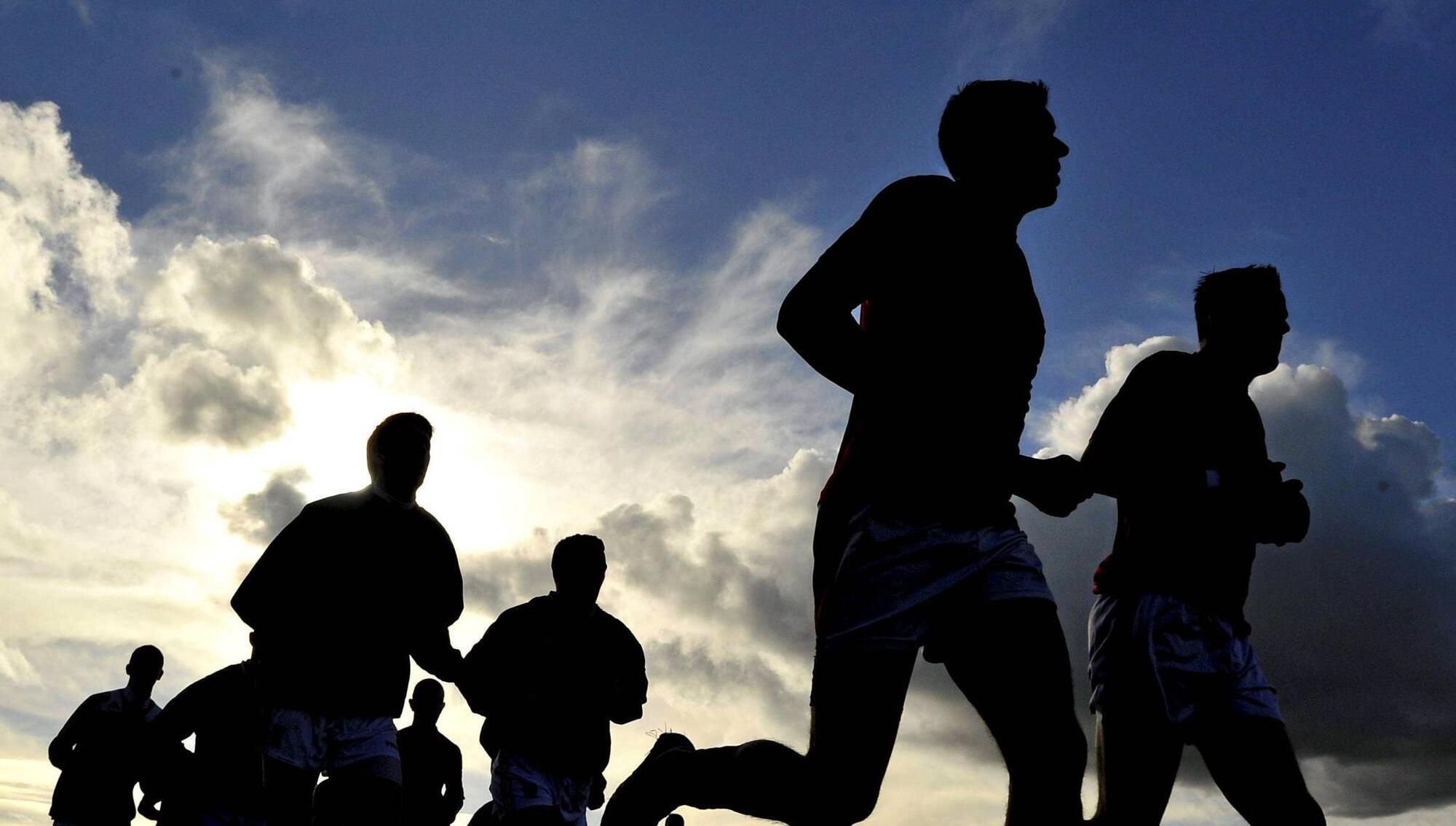
A great source of dietary nitrates, the curious coloured liquid is also an 'acquired taste' acknowledges David Dunne
Back before shaking hands literally meant taking your life in your hands, David Dunne would pull a few beetroot juice shots from his gear bag at London GAA training and share them around.
A great source of dietary nitrates, the curious coloured liquid is also an 'acquired taste' acknowledges Dunne.
'Pretty earthy', to put it diplomatically.
"I certainly wouldn't expect somebody to have a couple of beetroot shots and absolutely love it," he smiled.
But it's effective and in the race for those marginal gains that count for so much when the whistle sounds or the starter's pistol fires, you won't find too many athletes who won't gulp it right down.
Dunne played for London in the 2019 Championship against Galway and Offaly but while he's all about personal improvement, the real reason he knows so much about the value of beetroot juice, or just about anything that's classed as nutrition, is because it's his job to know.
And he's pretty good at his job as you'll soon realise if you listen to the performance nutritionist on the latest edition of the high performance related SleepEatPerformRepeat podcast.
Dunne is also the older brother of Greystones and European Tour golfer Paul Dunne, the 2017 British Masters winner. (When Paul was joint leader at the 2015 Open championship after 54 holes as an amateur at St Andrews, David took to Twitter to show how to make the 'protein pancakes' that had fuelled 'the younger bro' that memorable weekend). Naturally enough, David has worked extensively in the small ball industry himself.
Since 2018, he's been involved with the European Tour and the Ryder Cup team though with a portfolio of clients his is the hidden hand behind the foods that so many different athletes in so many different codes put into their mouths.
On the former Blackrock College student's CV is time spent in rugby league with the Bradford Bulls, periods with British Fencing and British Canoeing and seven years at rugby union club Harlequins, between 2013 and 2020.
It was in the early years with Harlequins, after investing a chunk of time in drawing up a specific nutrition plan for a player, that he was met with a challenge he says shaped his career.
"We had our solutions laid out, everything seemed to make sense," said Dunne of the personalised plan he'd devised for the unnamed player. "I remember going in one day and what he said just really took me back and knocked me for six. He just looked at me and said, 'I know what to do, I just don't want to do it. I'm not going to do it'."
Clearly, you can lead a rugby player to beetroot juice but if he doesn't want to drink it...
"That just made me reevaluate the whole of what I was doing," said Dunne. "That did help to spark me going down the PhD route to start to explore behaviour and other elements to try to piece this together because at that time in my career, I'd come from the university model of, 'We have this information, we'll deliver this information and then they'll have a plan and they'll know how to do the plan. They'll understand it and they'll go and do it'. When that doesn't actually translate, it does make you reevaluate, 'What are we doing here?'
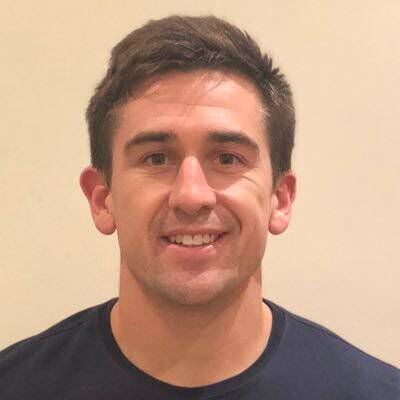
"If I'm putting together these presentations, or we're having these conversations, what's missing? That was less about adversity and more about a deep understanding, as a practitioner, asking 'What am I actually doing?' If fundamentally we're trying to change people's dietary behaviours, why don't we know the best way to impact them? That was definitely something that pushed me down the PhD route. My reaction was less, 'I have a solution', it was, 'I need to go away and figure this out'."
For six years, and partly while playing for London, Dunne studied a PhD in Nutrition, Behaviour Change and Technology out of Liverpool John Moores University.
His most recent endeavour is the Hexis App, a useful 'carb coding' tool which essentially allows for users to input the type, intensity and duration of their training and receive a personalised meal and snack plan.
All of which is very much the language of the modern athlete, placing Dunne very much in demand.
But a word of warning before you start pressing your beetroots and slugging on the juice in the hope of landing that elusive Junior F medal. Perhaps you should consider cutting out the fry ups first.
"When we look at sports like Gaelic football that (beetroot benefits) can translate into some nice performance improvements on the pitch," said Dunne. "I think the biggest thing I would say is that if somebody is considering looking at something like this, they should consider looking at the other areas of their diet first to see are they getting their fuelling right generally, are they consuming enough carbohydrate to fuel the type, intensity and duration of activity they're doing. If they are happy with their plan, and they feel like that's optimised, then maybe adding in these additional performance solutions might give them the extra couple of percent."
So what else might help in the search for those missing inches that every sportsperson is striving for? A warm shower before bed might help, according to Dunne.
"One thing I'm a big fan of, and this is from some research by a friend of mine, Craig Turner, he did a study of some academy Premier League footballers and the impacts of a warm shower 30 minutes before bed.
"It actually helped to improve sleep onset latency, or the amount of time taken to fall asleep. In essence a warm shower 30 minutes before bed can cause a drop in our core temperature and actually puts our body in a much better position to fall asleep. Sometimes the simple tricks are better than the clever solutions or potions that some people might try. I would definitely go down those lifestyle and habitual routes for sleep."

CONNECT WITH US TODAY



Be the first to know the latest news and updates