The hardest thing in Irish sport: Dave Matthews on the transition from underage to senior set-up
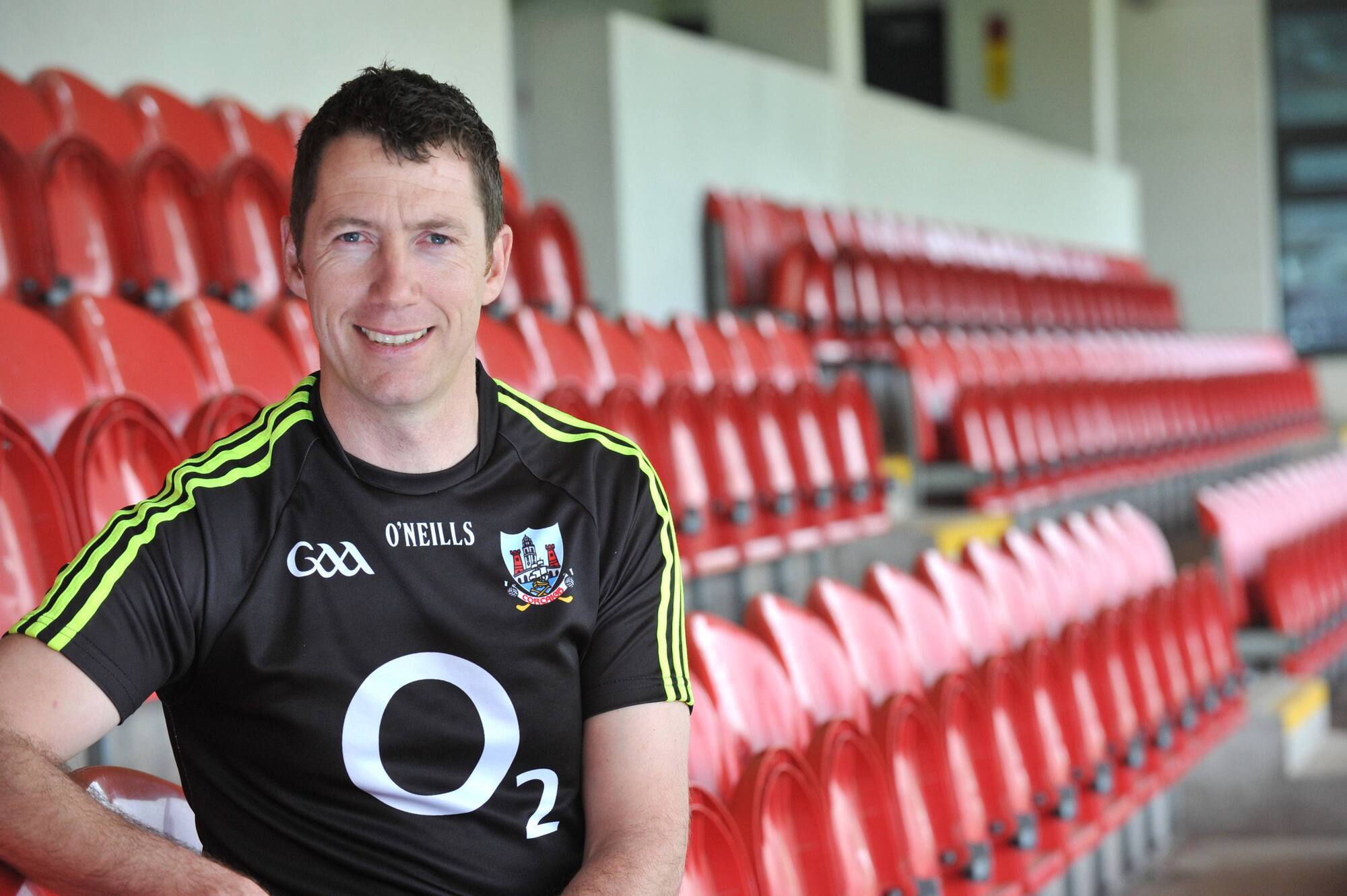
Former Cork hurling team physical trainer Dave Matthews: 'I’ve been blessed to be able to see some of the great sports stars up close and in person but my admiration for jockeys is huge'. Picture: Dan Linehan
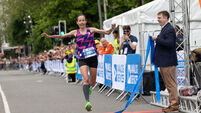
In his running days Dave Matthews faced the ultimate test, lining up in the Olympic Games, and as a coach he was involved when Cork reached the All-Ireland hurling final in 2013.
Drawing from those varied experiences, Matthews sees the “biggest challenge” in Irish sport as one common to several codes.
“To me it’s the transition from very good underage athlete, or any sportsperson, to the senior ranks.
“That’s the first thing that came to me, thinking about this as the big challenge.
“Going from a good junior or minor - depending on the sport - to adult ranks is huge because no matter how talented you are as a kid, ultimately we’re judged on how we perform as an adult.”
The challenge of a successful transition to senior sport comes under various headings, he adds: “In athletics, where I’ve worked a lot, we’ve had some very successful juniors in recent years in athletics, and it’s very similar in Gaelic games -we always say that having successful underage teams is a prerequisite for success at senior level.
“But look at the four or five elements that are needed to bring the sportsperson. You have to look at the psychological aspect, the physiological aspect, the educational or vocational side, the financial side. Those are all issues that come through from around 16 to 20, and they all factor into the challenge facing athletes at that stage.
“We also see a lot of relatively unsuccessful youth players blossom when they get to senior level, and that’s because the developmental clock and chronological clock are now moving in tandem.
“I often compare it to driving a car - the rev counter and speedometer are like the developmental clock and chronological clock respectively. They have to work in tandem because if one races ahead the engine will be damaged, and it’s the same in sport.
“On the other hand, you can see a car move through the gears seamlessly when all the elements are working together.”
Graduating to senior success can sometimes be complicated by what he calls “a race to high performance across a number of sports”, adding: “That’s happening at a younger and younger age. It contravenes what I’d believe in, the non-specialisation of children (in sport) into the teenage years.
“Some of the requests I’d get would be from parents who have the best intentions in the world for little Johnny and Mary, they genuinely want their children to progress as well as they can, but sometimes I can see that the developmental clock is being raced ahead of the chronological clock with a child.
“That’s a huge problem across all codes - over-eager parents pushing that.
“It’s not a matter of becoming an Olympian or an All-Star, a rugby or soccer international - it’s about keeping a balance.
“Only a very small fraction make it to the very top in their sport. I remember reading an article a couple of years stating that 0.0001 of the world’s population become Olympians.
"So you’re talking about a tiny number of people, but keeping people involved in sport is very important.”
When it comes to hardship and a particular sport, Matthews stays close to home.
“As someone who’s six foot two and 85 kilos, I have huge admiration for horse racing. Maybe it’s because I was reared in Kildare and probably have equine blood in my veins, but I’ve always admired horse racing and National Hunt in particular.
“People like Paul Townend, Rachel Blackmore, Ruby Walsh, AP McCoy - what they do is incredible. It’s only when you go to the racecourse and you hear the thunder of the horses going past that you understand what they’re doing.
“The toughness, the fearlessness of these jockeys - their repeatibility, which is something we never talk about, but their ability to go around on a horse, and then 40 minutes later do exactly the same thing. And then to do that 300 or 400 times a year for years...
“Anyone who can get up on the back of a horse, travel at 50km an hour, negotiate 10 to 15 horses in the middle of a bunch of other horses and riders - and then in the middle of all that to cobble together a strategy to guide their horse around one and a half or two miles of track, whatever, to win a race? Those are sportspeople I take my hat off to.
"They’re some of the great sportspeople we’ve been blessed with, and there are great jockeys in Ireland, more than our fair share. Add in the fact that men and women compete on a level playing field and get the same level of exposure, and there’s even more to admire.”


CONNECT WITH US TODAY



Be the first to know the latest news and updates