Irish athletes may have to leave Tokyo within 48 hours of completing Olympic event
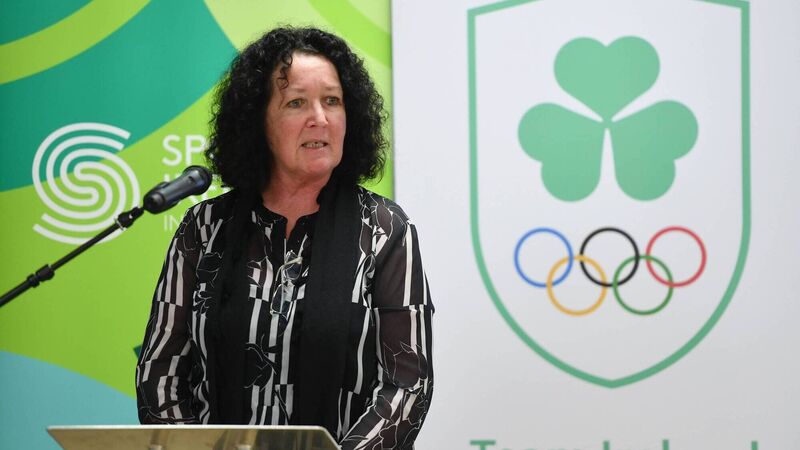
Patricia Heberle, Chef De Mission Tokyo 2020: 'I would be highly surprised if people can randomly move in and out of the Village'. Picture: Sam Barnes/Sportsfile
Irish athletes may have to leave Japan within 24 or 48 hours of their events being completed at next summer's delayed Tokyo Games under plans being considered by the Olympic Federation of Ireland (OFI).
The requirement is being considered as part of measures to combat Covid-19 which has already caused the Games to be postponed by 12 months and which is guaranteed to alter radically the nature of the event should it go ahead in 2021.
Many Irish athletes, and those from numerous other countries, have traditionally stayed the course of the Games after completing their own events to soak up what may be a once-in-a-lifetime event and participate in the closing ceremony.
However, Tokyo next year will be a very different affair with the International Olympic Committee taking 52 different measures to reflect the global crisis caused by the coronavirus and it may be that organisers make the 24 or 48-hour limit a part of the participation agreement themselves.
Some National Olympic Committees have operated the policy for some time already in an attempt to curb the excesses of those athletes keen to let off steam at the back end of a four-year cycle but the opportunities for celebrations or tourism will be greatly diminished this time.
"What we can't have is athletes finished at the end of week one impacting on those who have not started, but also risking the health and safety of any member of the team,” said Team Ireland chef de mission Patricia Heberle.
"So two scenarios to work to: We're looking at it internally, but I would expect that there would be reduced stays in the (Olympic) Village and also the code of conduct would not just be around behaviour but around movement.
“I would be highly surprised if people can randomly move in and out of the Village, and in and out of the competition bubbles, and have some of the recreation time that they would have been used to or time spent with families.”
The OFI had been in the process of organising a hospitality house as a hub for Irish athletes and their family and friends in an attempt to coordinate the activities of those wishing to stay on and soak up the atmosphere. That is now a long shot given the bigger picture.
Heberle accepts that such a quick departure is a far from ideal position for athletes who have dedicated their lives to make an Olympic Games but she has already written to those qualified, or attempting to qualify, to stress the importance of personal responsibility whilst in Japan.
As things stand, people entering the country have to quarantine for 14 days on arrival and it remains to be seen how this works, or is tweaked, for athletes, coaches, support staff and others travelling for the Olympics.
Golfers, for instance, would be competing in either the Open Championship or, in the women's case, the Evian Masters inside that two-week window. So too would cyclists competing in the Tour de France. The question of spectators, if there can be any or how many, has also to be confirmed.
The International Olympic Committee (IOC) and TOKOG (the local organising committee) have both made bullish noises about the Games going ahead, even if there is no vaccine available, and no cutoff point has been announced in terms of a decision one way or another.
“I do have confidence in what's been done and I believe more likely than not it will go ahead,” said OFI chairperson Sarah Keane.
CONNECT WITH US TODAY



Be the first to know the latest news and updates