Sexism in Sport: Risk and reward at play for female athletes tackling stereotypes on social media
Kieran File says that female athletes have to juggle multiple identities
Sexism in Sport: Risk and reward at play for female athletes tackling stereotypes on social media

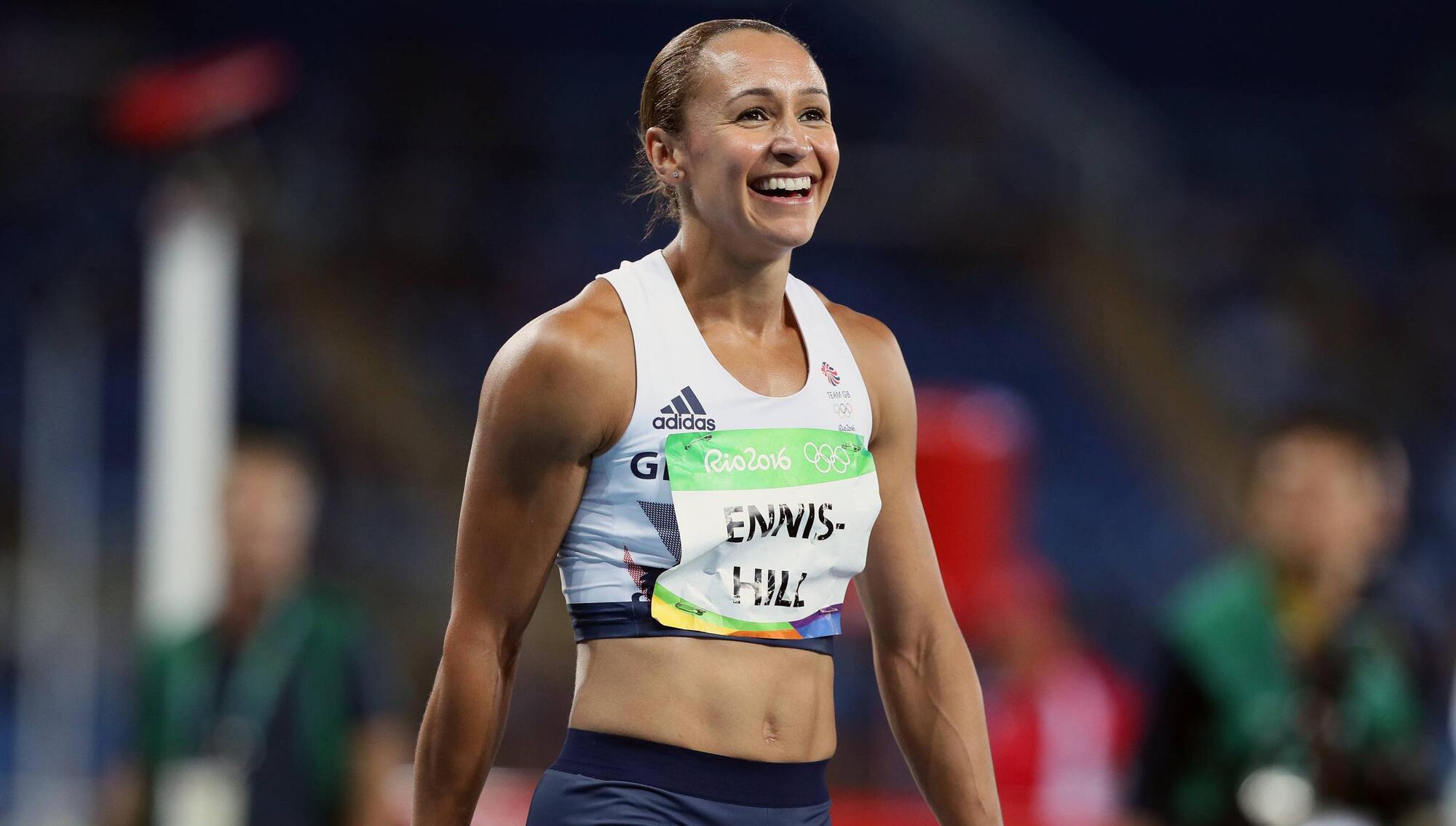
Jessica Ennis-Hill provides an example to female athletes. Photo: PA

Jessica Ennis-Hill has 1.4m Twitter followers. Last year she designed Jennis, a fitness app which aims to help women stay active, with her physio Alison Rose.

That’s the positive side of social media when you are a sportsperson aiming to leverage your talent on the track or the field into a wider and more profitable space. The Olympic champion knows there can be an altogether darker side to the digital world.

A Sheffield United fan, Ennis-Hill had a stand named in her honour at Bramall Lane after her starring role in the London Olympics. Two years later she stated she would want it removed if the club proceeded with plans to re-sign striker Ched Evans who had been convicted of rape at the time but whose sentence has since been quashed and overturned after a retrial.

South Yorkshire Police duly revealed that they were investigating rape threats sent to the athlete via social media: yet another example of the vile depths to which too many sink on platforms that can prove trickier to negotiate than any race or opponent.

Kieran File has seen how difficult this can all be for female sportspeople through the last decade. Founder and managing director of Reactive Sports Media, File specialises in language and its use in sports media circles, both social and mainstream.

A recent BBC poll with elite female athletes in the UK found that a huge majority believed that fans and media expected them to act differently. This holds equally on social media where ingrained and outdated stereotypes on gender continue to contort the conversation.

“That notion of gender and society manifests itself in any social interaction that we have,” says File who has worked in his native New Zealand, the UK and here in Ireland where he just last month held a workshop for a Rugby Players Ireland rookie camps.

File has found this to be a “massive” issue for female athletes who, he explains, have to juggle multiple identities. A key issue when communicating is to what degree the public sees them as an athlete first and a woman second. Or, are they seen as women first and athletes second, if at all?

“That’s actually quite a critical question to ask because if the primary interpretative mechanisms that people are using are gender then there are some conflicts between society’s gender stereotypes and their athletic stereotypes. The most obvious one is the physical shape of athletes and societal expectations,” he explains. “Trends in the media, trends in advertising, trends in television and films: for women to be of a particular shape and size.

“That is very different to the women that need to compete in sport. They need to build strength and muscle. A lot of the women feel that this is an identity struggle for them. How am I going to come across and how is my public going to see me if I suddenly speak quite assertively?”

Here again, Ennis-Hill provides an example. Just ten when her parents first took her along to Don Valley Stadium to try athletics, she spoke later about how she hated doing weights in her mid-teens as it would change the way she looked.

She was already a multi-medal winner at major events when an unnamed high-ranking UK official suggested she was fat just before the 2012 Games. Is it any wonder that the BBC has found that 77% of current elite athletes in the UK are conscious of their body image?

There is no one-approach-fits-all answer to this conundrum facing female athletes on social media. File has worked with some who happened to receive online abuse during times of family bereavement. Everyone’s circumstances are unique.


“Every individual is going to feel differently to the degree which they want to take on societal stereotypes. There are risks in taking on social stereotypes and acting in a marked and untypical fashion but there are also quite significant rewards on offer as well.

“The athlete that is prepared to take on those risks may benefit but also needs to be prepared for dealing with some of those risks and a lot of the mental strength training that goes on for preparing athletes on the field is increasingly being used off the field as well.”

There isn’t any stockpile of research to back this up but File’s own feeling is that it takes sportspeople time to find their identity and their true voice. Younger athletes tend to be more conscious of the need to fit in, not just online but in the dressing-room.

Plenty have found the trade between risk and reward to be one worth making but the scales are always imbalanced in the sense that a misogynist with a barb has less to lose than a sportsperson that is working assiduously to build up a captive audience and a brand.

“You can build it and lose it in a single tweet,” File warns.

Be careful out there.

x

More in this section

Sport

Newsletter

Latest news from the world of sport, along with the best in opinion from our outstanding team of sports writers. and reporters

Cookie Policy Privacy Policy Brand Safety FAQ Help Contact Us Terms and Conditions

© Examiner Echo Group Limited