Olympic rower Sanita Puspure: ‘Your legs are throbbing. Your head is banging. You name it, you have it’
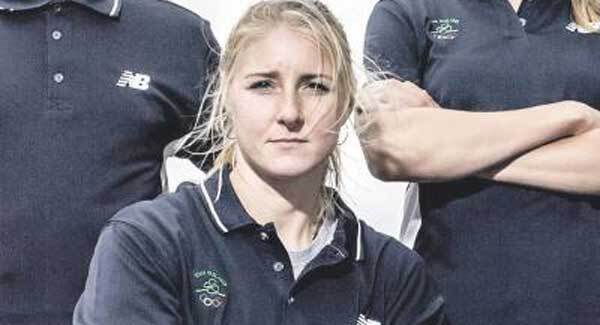
What’s definitely going to help me is I know how it feels to be there and how the spotlight is on you for that two weeks of racing. It will be an advantage that I know how to deal with it, when to go away from it and when I can protect myself, if I need to.
I know the rules you have to go for interviews when you are told. I know the drill. Last time I got frustrated I couldn’t go for a cooldown. I was called for an interview, so I got really agitated because I need my cooldown! So this time around I’m going to be ok.
I can do the interview, take my time and do the cooldown. This time it’s more exciting having some teammates to talk to.
I’ve had that first experience of the Olympics so now I can really focus on making it count, as the last time I was making up the numbers – much as I wouldn’t like to say it.
So now there’s a bigger purpose and bigger dreams going into the Olympics.
Yes, and I know there’s more to come because we built my performance up and I didn’t feel like we put so much into it that I can’t peak another time.
I actually feel I didn’t really peak so we can bring another boost up and hopefully the results will be even better.
Yes, it needs to be identical – the same mould as the one I was racing in so I can get the best training out of it.
They’re crazy expensive but it’s not my personal boat. I do hope that someday I might have one, but it’s like the cost of a small car!
My two Olympics back-to- back compared to the seven Olympics of Ekaterina Karsten doesn’t seem that much. To go to a seventh Olympics in a very tough endurance sport is huge.
She’s 44, so I’ve another 10 years to go! It is an amazing achievement (getting to a second Olympics), especially having kids and trying to work around that schedule, and with the setbacks that I had after London. I think we did pretty well.
Sponsorship-wise, I don’t have any sponsors at the moment. I do understand rowing is not as spectator-friendly a sport. I’m on the lowest funding now just because of my disasters last year (due to illness and injury) but I’m not complaining because it’s enough to support my sport.
To be honest, it’s not about money at all. If it was for money, we wouldn’t row because you don’t make any money. It’s not like soccer or even rugby. It’s the pure love of the sport that keeps us going. And ambitions...
There’s a lot of talk about medals but I don’t really talk about it that much. I prefer to stick to the plan, do what you need to do and see where it brings you.
Obviously we all dream of stuff and we have ambitions we want to achieve, but at the end of the day it does come back to how well you execute your race plan and how good the form you hit is at the same time as the Games. As I’ve proved to myself, sticking to the plan really pays off.
The lesson I learned the hard way last year is that pacing is everything. When I was leading the B final of the World Championships, I was in the lead until the last 20 strokes, and then I just blew my legs away.
I had had nothing left to finish off the race, just because I went too hard. What I learned from it is you need to know where you are in each stage of the race and how much you can give at the end or at the beginning.
There’s different race plans as well, and I’ve had lots of plans this year so they won’t know what to expect!
It’s hard, yeah. Your legs are throbbing. Your head is banging. You name it, you have it. For me, the hardest bit comes when I’ve finished a race and then I always get sick five or 10 minutes later. I really hate that (Laughs). But it’s ok. If I had a really good race, I’ll just take it.
Well, if I don’t get sick that means I left something in, so that’s not ideal! That’s a good measurement for me. If I get really sick, I gave it my all.
CONNECT WITH US TODAY



Be the first to know the latest news and updates