Rheinisch keeps nerve to sail through
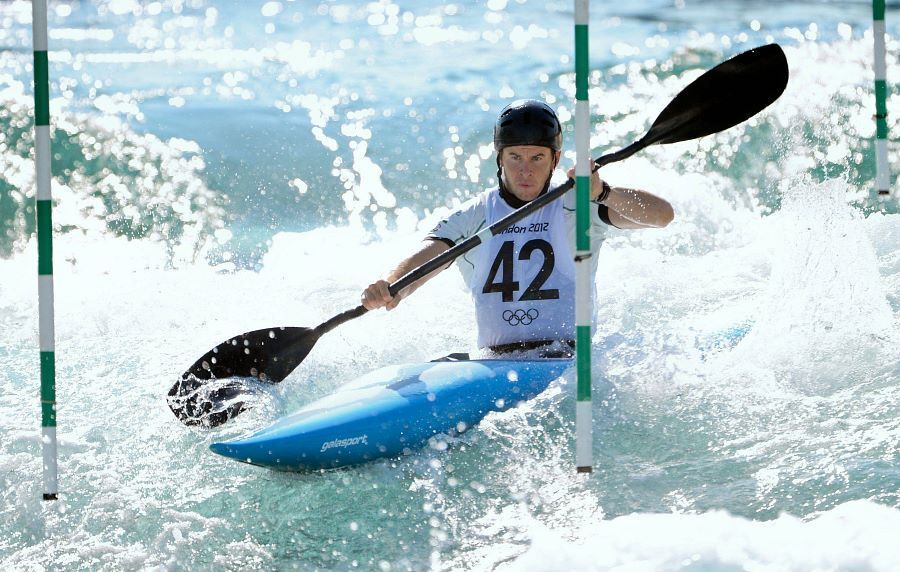
Much has changed for the Kildare K1 slalom kayaker in the intervening four years as he underwent surgery on his left shoulder and a lengthy rehab before embarking on a tough, tiring qualifying campaign for a third consecutive Games.
But one of the character traits remaining from that heart-breaking day in 2008 at Shunyi is Rheinisch’s infectious enthusiasm for his sport.
Here is a man who wears his heart on his sleeve and isn’t afraid to share it with the world.
“Absolutely,” he replied when asked if he was nervous. “If you’re not nervous you should hang up your paddle and gear. If you’re not nervous in an event like this you’ve no place racing, it doesn’t mean something to you then.
“If you have nerves at the right level they actually make you race faster. I was nervous, but it was the right amount.”
Yesterday was a dream start for the 32-year-old paddler from the Salmon Leap Canoe Club.
The 22-man field had two runs over this purpose-built course with the Irishman sixth in his first outing and 11th on his subsequent run to leave him 12th overall.
It eases him into Wednesday’s 15-man semi-final, with the top 10 progressing into the afternoon’s final.
“I’m happy now. I was asked to compare it to the last two Games and at this stage I’m a lot happier, it was a little less stressful than the last couple!
“Barring quite unusual circumstances, the first one would have been enough. So it was a bit more of a free approach in the second run, and I probably tried a little bit too hard to force the pace and it’s the sort of course that punishes you if you’re overdoing it.”
Rheinisch knows this course well, perhaps better than most given that he and the Irish team have been based in these parts for a fortnight and are at the facility on a near daily basis. But unlike a running track or a swimming pool, their competition zone is constantly changing and evolving.
“We train on the course quite a lot compared to other sports do on their venues but they can set those gates in infinite positions,” he said.
“What people try to do is to practice lots of different combinations on different days, but it’s really about an overall feel of the course. That’s part of the reason why I love the sport, it is a puzzle from the bank, a tactical puzzle as well.”
Not for the first time at these Olympics, the Irish crowd has been making themselves seen and heard.
And Rheinisch admits that such support is often playing on his mind, especially given the tough economic times in Ireland.
“I think in the back of every competitor’s mind is that so many people have paid for tickets to come over and watch you compete. It’s not something in the forefront of my mind but it is a relief that everyone gets a nice day out again on Wednesday at least.”
Progressing to a semi-final before such huge support is a unique occurrence in Rheinisch’s career.
“It is nice that so many people can travel over here, it’s not something that I experienced in Beijing because of the whole logistics of the whole thing, while in Athens I went out in the first round and was devastated for all the people who travelled over.
“Obviously I was devastated for myself, but you can’t help but think about the people who travelled over to support you. They don’t think like that, but it’s hard for me not to.”


CONNECT WITH US TODAY



Be the first to know the latest news and updates