Through Mayo and the paradox of winning
Dara Waldron, the bestselling author of the memoir A Sheepdog Named Oscar drove home to Limerick, via Mayo, after the All-Ireland football final. Here he recounts the emotions and memories felt as the county erupted from its 75-year slumber.
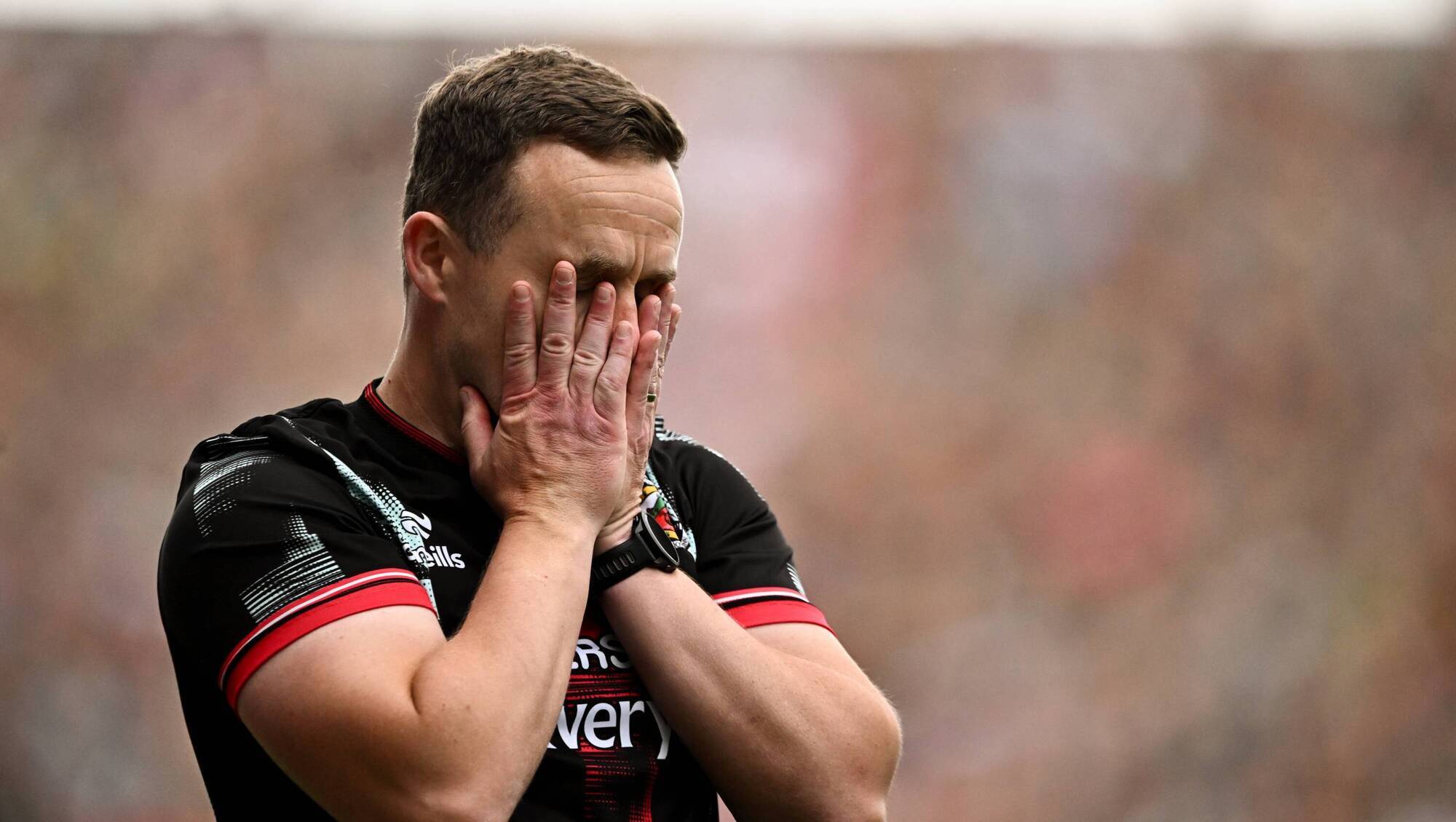
Mayo manager Andy Moran during the All-Ireland final. Pic: David Fitzgerald/Sportsfile

Mayo manager Andy Moran during the All-Ireland final. Pic: David Fitzgerald/Sportsfile

I WATCHED last month’s All-Ireland final between Mayo and Kerry in Enniscrone, a small seaside village in west Sligo that borders Mayo.

Surrounded by Mayo-affiliated family members, I was, like many Galwegians, overwrought with joy.

It is hard to explain to people not from the West how intricate the bond between Mayo and Galway is, how most families are sourced from both counties. 

That they are like two sides of the same coin. The Green and Red of Mayo is, after all, a song by The Saw Doctors, from Tuam. 

I am also from Tuam. My book A Sheepdog Named Oscar is about these hinterlands of Ireland, making up the walks with rescue dog Oscar across different territories, from Murroe in Limerick, where I live, through Clare, where I found Oscar, Connemara, and Enniscrone.

Sport Top Pics

And, of course, Mayo sits in the middle of it all. You can’t get to Enniscrone without passing through Mayo. 

Off you head to Tuam, Miltown, before the border greets you, and then into Mayo: Ballindine, Claremorris, Ballyvarry, Foxford, through Ballina. 

I know this stretch of land, this car journey, like the back of my hand. I drive it all the time. Every year. 

After the final whistle, I took off along the road again, my son Karl beside me, Oscar perched in the back. 

The sheepdog my book catapulted into the limelight snuggling in the rear: Healthy and awash with energy. Like Mayo footballers over the years, Oscar spent the weekend running Enniscrone beach. 

Though technically from Clare, he is, like many Mayo people, a fan of the wonders of Enniscrone beach. A stretch of land officially in Co Sligo basking in the Mayo colours of the green and red.

When you travel from Limerick to Enniscrone, Foxford to Ballyvarry, the Michael Davitt Museum is a landmark, beside which The Copper Beech pub is, since time memorial, painted red and green. 

I adore this stretch of the journey, the road weaving through the landscape, along craggy boglands and hills. When you arrive into Foxford, home to the mighty Moy River, stress levels drop, magic unfolds.

I returned along this stretch, after Mayo won the All-Ireland, from the opposite direction, the car radio pumping out interview upon interview, fans spilling out onto the street in front of me. 

To feel the emotion, the relief of monkeys jumping from backs, was to feel the West awakening, like a once sleeping giant.

In A Sheepdog Named Oscar, car journeys like these are narrative devices and memory resources. The passing landscape triggers memory. 

It is fitting such a journey with Oscar and Karl was undertaken at such a momentous time. The breaking of a 75-year hoodoo. I was awash with memories and emotions, thinking mostly of those I loved who are no longer here.

It was on passing through Claremorris, south Mayo, I suddenly remembered walking up the stairs in 1998 to visit my bedridden grandfather in Tuam. 

Another Mayo loss to commiserate. Grandad was appointed Tuam Sugar Factory doctor in the 1930s and witnessed so many Galway successes. 

But he was always a Mayo man, and always reminded me of it. I recalled this time going up to see him because, instead of sadness, I was in shock that he laughed in response. Every slimmer of hope gone, I guessed. 

All that remained was laughter. He couldn’t walk; his life was consumed by carers and home help, radio and newspaper, each day rolling into the next. And so he roared a laugh into the void. He laughed at loss, at death, at his own sorry situation. In his bed.

If they won, I hoped the joy might have helped him face the day. But they didn’t and Galway came up trumps in 1998 and 2001, and some time in 2001, we carried Sam up to him. 

He caressed it but I felt in my bones it was strange for him. That we maybe shouldn’t have done it. It wasn’t his county. It was sticking the knife in a little bit. He died the next year, passing a hundred. He never got to celebrate another title.

I formulated an image of the farm he grew up on outside Ballyhaunis as the car approached Claremorris. 

I began to think of his little garden down by the sugar factory he kept after he retired. Was it meant to remind him of the holding he grew up on? Perhaps. 

But when we made it through Ballindine and passed into Miltown, so many Mayo and Galway flags flying together, my memory suddenly ceded to speculation.

William Faulkner’s line, ‘The past is never dead, it’s not even past,’ came to mind as I began to imagine it was 1998, though the events of 2026 were knitted into it. 

Suddenly, as I arrived in Tuam, the car shot off from Miltown Rd over to Tullindaly before veering up by the park and stopping outside SuperValu.

I told Karl to mind Oscar in the car, and that I’d be back in a minute. And then I ran over to the family home on Bishop St. The door was ajar. My dad was seeing a patient or something in there. It was 1998. I ran up the stairs and knocked on grandad’s door. 

‘Come in,’ I heard him echo out. As I walked in, I shouted, ‘You won,’ and my grandfather lifted himself up from the bed, grabbed his reading glasses, and laughed, so loud it seemed to ring out into all eternity. 

I then paced over to the side of the bed and hollered: ‘Grandad, grandad, Mayo won. They beat Kerry. And you know, I wrote a book and you’re part of it.’

He laughed again, a toothless smile crackling in the air, before muttering, ‘Go on.’

‘It’s a memoir about a rescue dog. But never mind that for now. That’s not why I came.’

‘A book about a dog. Aha. Who is going to read that?’

‘I’ll tell you all about it again,’ I said. ‘I’m here for another reason. Mayo won the All-Ireland, time got jumbled up, and I was passing. I’m writing a piece about Mayo winning called The Paradox of Winning. 

It’s about the way a big win can stir at the emotions around our imagination. We remember those who we lost through the sheer adrenaline and energy of winning. Like a paradox.’

‘Aha, go on,’ he says, ‘Interesting.’

‘It’s an exuberant energy, like time is awry. The paradox is you are gone, yet somehow, I am here with you.’

x

More in this section

Cookie Policy Privacy Policy Brand Safety FAQ Help Contact Us Terms and Conditions

© Examiner Echo Group Limited