GAA concedes 2027 deadline for integration with LGFA and Camogie is unrealistic
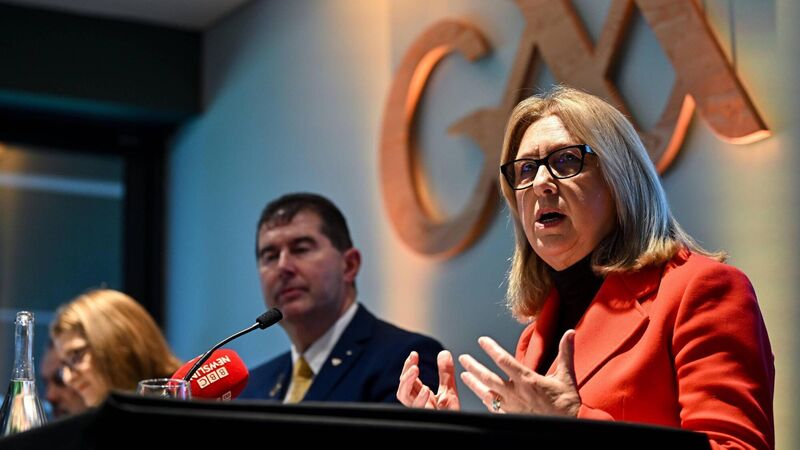
Steering Committee Chairperson Mary McAleese speaking during a 2024 update on the integration process. Photo by Sam Barnes/Sportsfile
The GAAâs Management Committee has conceded the 2027 deadline for the integration of the three main Gaelic sports bodies is unrealistic.
At their meeting on December 19, there was consensus among the organisationâs body that the timeline for the full and complete merging of the GAA, Ladies Gaelic Football Association and The Camogie Association was impractical.
The project is considered as being of âutmost strategic importance for the Associationâ, and the belief of the Management Committee is that the three bodies should become one on a phased basis.
A more measured approach is now the preferred course of action for the body âin order to better manage any risks and to accommodate any reasonable reservationsâ.
Integration steering committee chairperson Mary McAleese was at the meeting to provide an update and is said to be disappointed with the view of the committee.
It is understood there was a robust exchange of opinions about the matter and McAleese rejected Management Committeeâs assertion.
Only two days earlier, the former President of Ireland had attended an Oireachtas meeting with, among others, GAA president Jarlath Burns and director general Tom Ryan, where she told TDs and senators that the 2027 deadline was ârealisableâ.

In recent days, a memo from the steering committee twice mentioned that 2027 remains the target for integration. The group, which includes Burns and Ryan as well as McAleese, is to embark on a five-stop roadshow outlining its vision for the merger next year.
âAs we begin this year, the process leading to integration of the Camogie Association, GAA, and LGFA will enter a new and critical phase of engagement designed to shape the future structure of the new GAA in 2027,â it read.
âThe Steering Group on Integration will present its draft proposals, which are based on comprehensive analysis and widespread consultation over the past two years.
âThis phase aims to gather comprehensive feedback on the draft proposals from officers and members across all three associations. It will be an open, inclusive, and respectful national consultation process, ensuring that everyone with a stake in Gaelic games can influence how the new GAA will operate after integration.
âThis is a crucial opportunity to hone, refine and amend the proposed structures so that they have the fullest buy in as integration arrives in 2027.â
Last week, the Irish Examiner reported that counties had been slow in establishing the integration workgroups comprising members of each of its three boards. They had been instructed to do so in December to begin meeting this month.
The GAAâs Management Committee (Coiste Bainisti) is responsible for the management of the affairs of the organisation, including implementation of policies determined by Congress, subject to overall jurisdiction of the GAA.
All sub-committees of Central Council report directly to Management Committee which has the authority to make recommendations on policy to Ard Chomhairle. Management Committee meet again on Friday week ahead of Central Council the following day.
The reaction of the Gaelic Players Association (GPA) to the news will be watched closely. On a number of occasions last year, GPA chief executive Tom Parsons expressed frustration with the progress of integration. They also questioned the lack of engagement with the steering committee and claimed in October that they were âmostly in the darkâ about the process. It was the GPA whose motion in 2021 to prioritise integration was adopted by the congresses of the three bodies.
In October, the GPAâs joint national chairperson Aisling Maher raised doubts about the 2027 deadline. âMy fear with the â27 deadline at the minute is that there hasn't been enough communication with everybody on the ground and not just inter-county players, but all members of all GAA clubs.â