GAA insurance under pressure after €15m paid out in personal injury claims
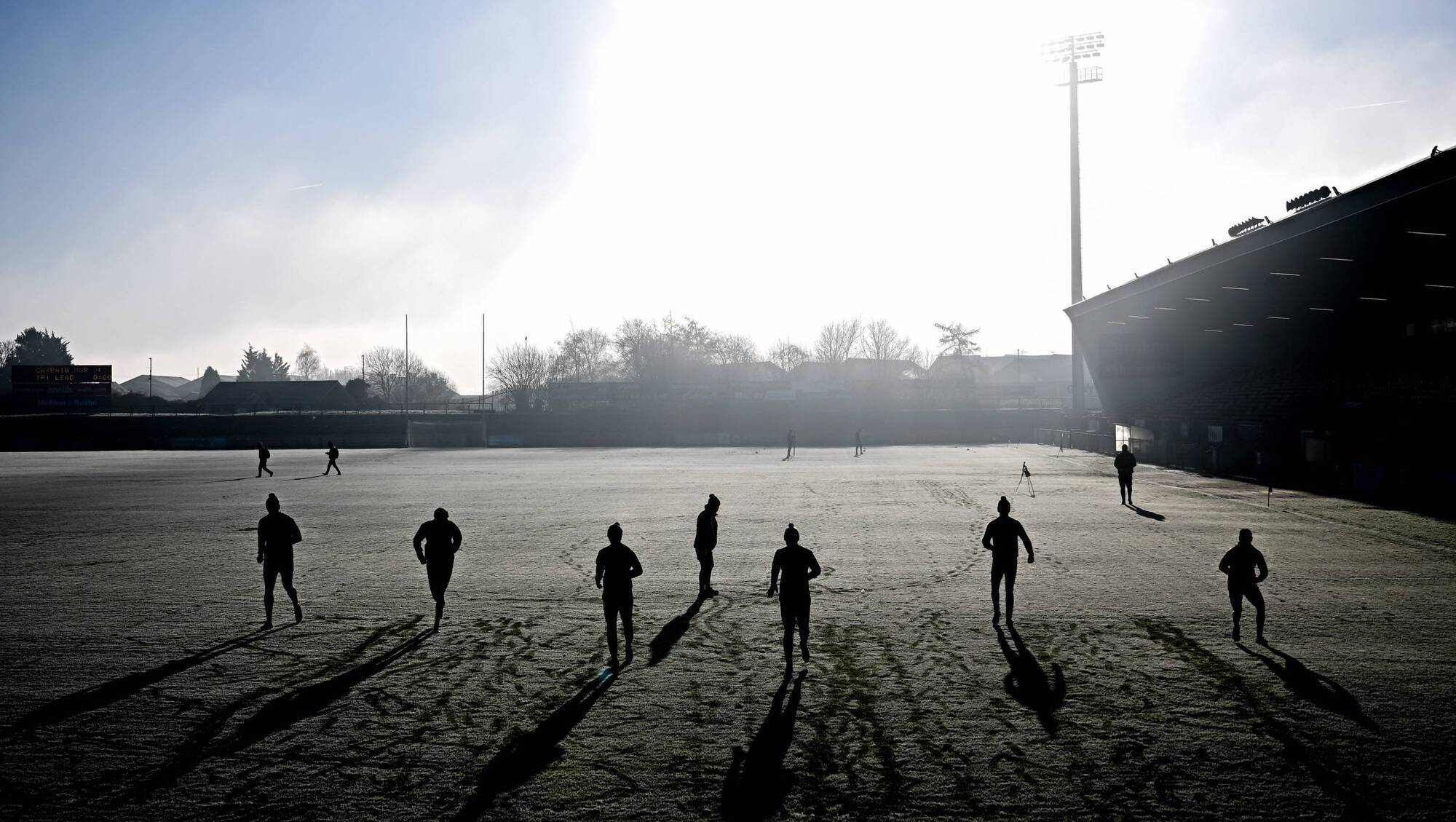
Investigations into slip, trip, and fall claims found that many could have been prevented in the first place. Pic: Ramsey Cardy/Sportsfile
The ongoing absence of “basic risk management and controls” at GAA club grounds has cost the association €15m in personal injury claims over the past five years.
With clubs “completely failing” to address control over activities and use of property, the average claim cost has increased by 9% to €39,000 and is leading to significant challenges for the GAA to secure annual insurance renewal.
Of the €15m paid out over the past five years, €10m relates to non-GAA activity such as a claimant sustaining an injury while playing five-a-side soccer on GAA property.
The ability of GAA clubs to defend claims taken against them has been “historically limited” due to a lack of record keeping and available documentation.
In the wake of the €15m pay-out revelation and “very challenging” environment to maintain current levels of insurance cover, all GAA units have been reminded of their legal responsibility as a property owner to maintain and upkeep facilities for all visitors coming onto their property.
Furthermore, when allowing their facilities to be hired out, units have been instructed that they must first request a copy of the group’s insurance cover.
The €3m annual cost of personal injury claims is in danger of further increasing as GAA units continue to move towards community-based organisations by developing walkways and encouraging more members of the public onto their grounds.
“The GAA plays an important role in the communities of Ireland, but this provision of facilities can only be undertaken in the context of a well-managed and well laid out process, operating to a clear set of standards,” Connacht GAA operations manager Adrian Hassett has said.
Hassett, who has written extensively on the worsening personal injury claims issue over the past number of years, said investigations of these slip, trip, and fall claims found that many could have been prevented in the first place.
“The highest number of personal injury claims pursued continue to arise from claims which could have been avoided or minimised if clubs and counties had adopted very basic risk management and controls,” he noted.
“Whilst many GAA units have undertaken a much more proactive approach to risk management and control of activities, and proactively report activities and maintain records, unfortunately, many units are completely failing to address control over activities and use of property.
"Clubs who cannot demonstrate that they took all reasonable precautions to manage activities may be refused indemnity or face a significantly increased claim excess.”
Hassett revealed that over 90% of personal injury claims taken against GAA units are first notified by the alleged injured party, and that where there is local knowledge of an incident, it must be investigated by the club executive and reported to the GAA Insurance department.
“This means that they [the alleged injured party] control the narrative from the outset. Following attendance by insurer appointed claims investigators, we generally discover that the club was aware of the incident but took no steps to investigate the circumstances or save supporting evidence such as CCTV footage and cleaning/booking records.
“As previously noted, claims continue to arise with a higher frequency during non-games activities such as fundraising and third-party use of properties. Having documentation such as the site-specific Health and Safety statement, training and maintenance records, and timely incident recording/reporting needs to improve.
“Units are requested to utilise and adopt the Safe Club templates to assist with improvements in this area, which will have a direct impact on our insurance premium costings and options.”
Hassett’s Connacht GAA colleague, provincial CEO John Prenty, has warned that unless there are improvements in the management of GAA property and activities, and the provision of property and facilities for non-GAA activities, “we will not be able to continue to secure insurance cover in the future”.

CONNECT WITH US TODAY



Be the first to know the latest news and updates