GAA to regulate hurleys and faceguards
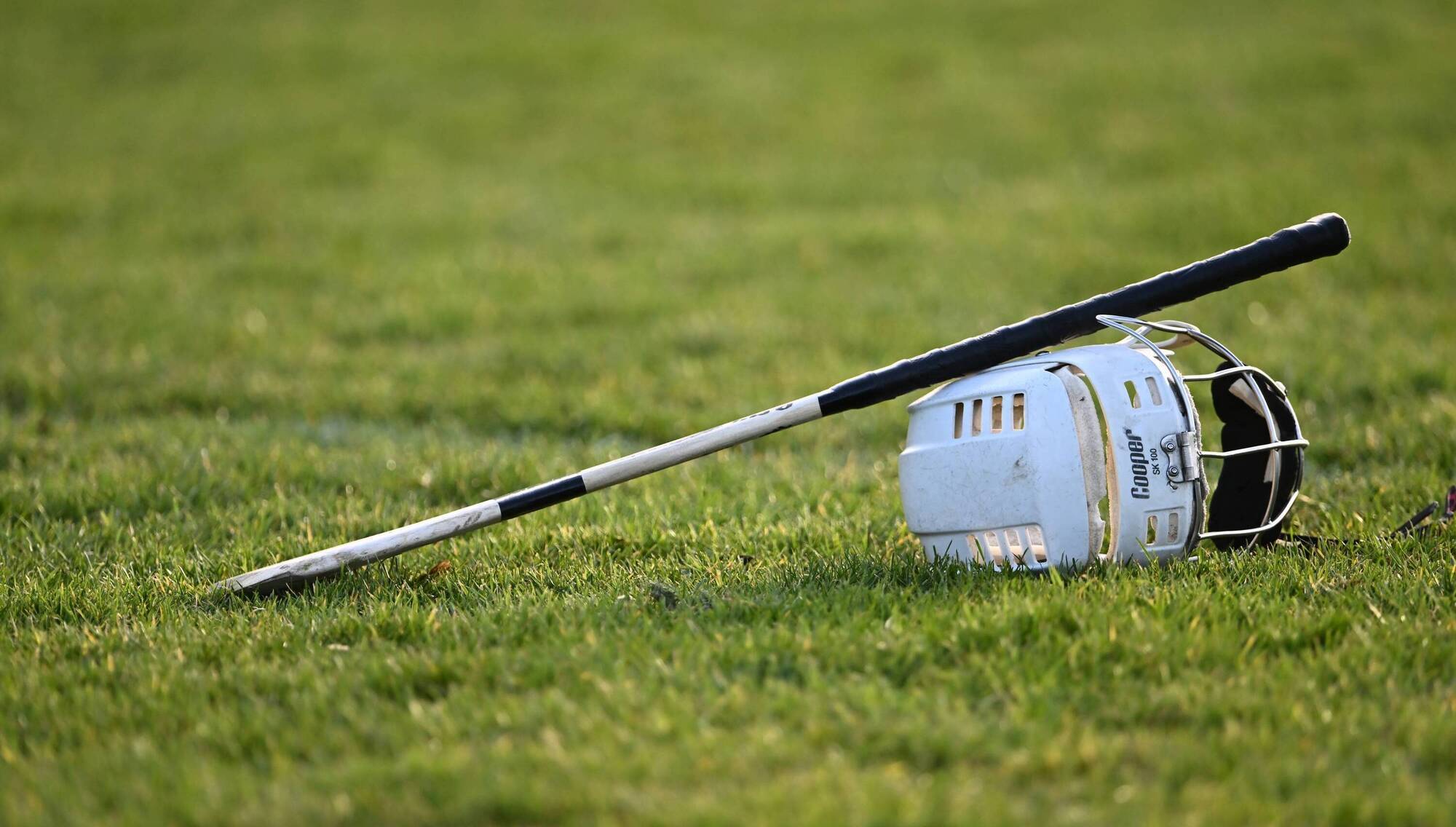
A 2017 DCU study of adult male and female players found almost a third of them admitted to modifying their helmet/faceguard. Pic: Piaras Ó Mídheach/Sportsfile
Faceguards and hurleys are to be regulated by the GAA as they look to heighten safety standards around the sport’s playing apparatus.
As they did with the sliotar, a Croke Park committee are in the final stages of developing a standardised faceguard, which will have to replicated by officially licensed manufacturers.
“We have a prototype of a new faceguard and certainly within 12 months we hope to have it ready to go,” said Ned Quinn, chairman of the GAA’s sliotar, hurley and helmet workgroup.
“The intention is the GAA will own the intellectual properties of the faceguards and we will insist the helmet manufacturers use them, but we’re not there yet.”
Currently, companies producing helmets for hurlers and camogie players have to abide by the National Safety Association of Ireland’s IS:355 safety standard. However, several players continue to wear helmets that either predate those regulations, don’t conform to them or they have manipulated the guard so that the bars of the guard don’t obstruct their sight.
Only those players wearing helmets that adhere to the standard can make a claim via the GAA’s player injury fund. A DCU study of 304 adult male and female players in 2017 found almost a third of them (31%) admitted to modifying their helmet/faceguard, while another 8% said it was already altered when purchased.
The wearing of faceguarded helmets became mandatory across all levels in 2010 and a 40% reduction in serious facial and eye injuries was recorded. Injuries in the helmet area now represent just 5% of claims.
As the ash dieback crisis hits hard, the GAA are also to strengthen their oversight of the hurley-making market as alternatives to ash are sought.
“We’re working away on that,” said Quinn. “Ash is a big problem, of course, the ash dieback. It’s going to be two to three years before the ash runs out, but it will run out. This is a case of the GAA trying to get ahead of the problem rather than arriving on top of a cliff.
“We will be having a licensing arrangement because if we don’t then all sorts of issues arise like health and safety problems. You could have a hurley made of anything and it could cause damage.
“If a hurley doesn’t have a break point or the spring as we would have called it, if it doesn’t have the tension equally distributed to it, there could be difficulties. You don’t want somebody’s fibula or tibia breaking as a result of a hurley made of the wrong material. Ash is the ideal timber but we have to look at alternatives.”
Quinn doesn’t like to sound stark about the disappearance of ash from hurling but it’s the reality the GAA are facing up to.
“Aidan Falconer is the chairman of the Irish Hurley Makers Association and at a meeting in DCU last week he reiterated ash will be gone in about three years.
“It’s sad and even with efforts being made to replant disease-resistance trees, they say it will take 30 years before it will be hurley-making ash and that’s if it works.”


CONNECT WITH US TODAY



Be the first to know the latest news and updates