Mick Clifford: The night Mick O'Dwyer togged out for my grandmother's funeral
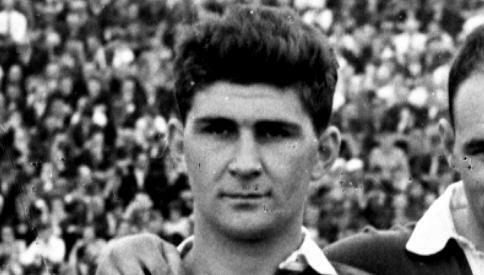
Mick O'Dwyer lining out for Kerry in the Kerry v Cork Munster senior football final replay in Killarney in July 1961.
My grandmother died in November 1978 after a long life. Mick O’Dwyer was in the prime of his life at that time, marching across the foothills of greatness.
Two months earlier, he had overseen the Kerry team’s annihilation of Dublin in an All-Ireland final, beating the odds and kicking off a dynasty.
Over the previous two years, as Dublin appeared to have the upper hand in the tussle for supremacy between the counties, there had been murmurings in the kingdom.
Does Dwyer, as he was known, have what it takes? Does he have the guile? Does he what? The 1978 All-Ireland win sent him on his way towards his greatest peak of four All Ireland wins in a row.
My grandmother Mini wasn’t a big football fan, although she did drink the water in Cahirciveen so she must, at some primal level, have been infected with the bug. She died after a couple of heart attacks and for her wake was laid out in a habit over the shop where she had spent most of her life.
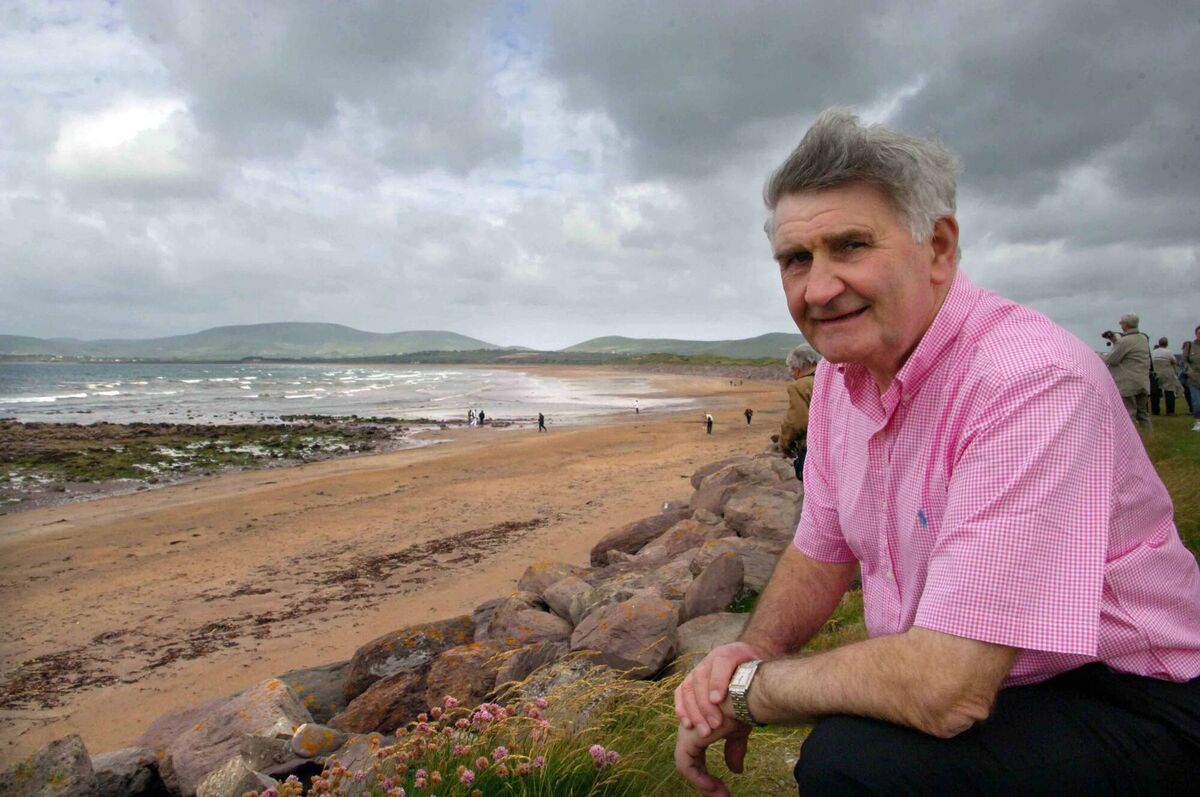
The town came in a procession up the stairs to pay their respects.
These were the days of formal wear. Men generally dusted down a suit for an occasion like this, or at the very least, had a good jacket and trousers to wear. It’s difficult to envisage now but even on the building sites, those who earned their living from labouring would turn up in an old suit, take off the jacket and address a shovel in shirt and trousers. It’s just how things were.
So they came up the stairs, some of the women with scarves on their head, peaked caps for the men. And then, as if landing from another planet, there was among them a familiar face dressed in what might as well have been a spacesuit. Dwyer had arrived en route from a training session with the Kerry team in Killarney.
He was a man for whom the word busy was probably invented. He wouldn’t have had time to go the extra 10 miles to his native Waterville, change and return. Up the stairs he bounded, togged out in his Kerry tracksuit to wake the dead.
Through my child’s eyes, the sight of him was a distraction from the shock of bereavement.
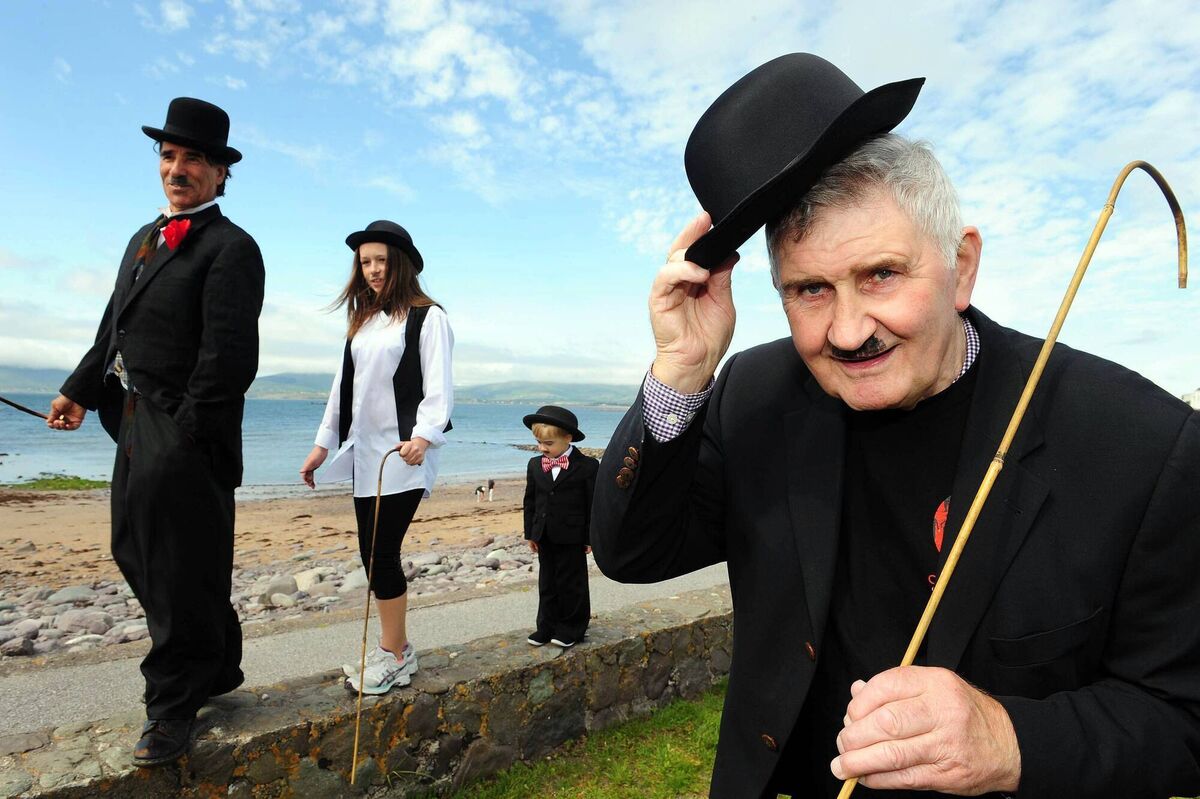
His wiry cap of hair, the playful mouth that threatened to widen in search of mischief at any moment, his head slightly down, as if ready to ambush any challenge that life might throw his way. He offered his condolences to my parents and aunt and uncle but his eye somehow washed over the twelve-year-old on his knees gaping up at a nailed down celebrity who was from out the road.
He was ahead of his time in more ways than just forging a path for street threads. Along with Kevin Heffernan, he gave birth to the cult of the GAA manager. This followed a sterling career on the pitch, something that is often forgotten in light of what he achieved afterwards.
His gift for management was, to a great extent, down to his capacity for sports psychology before the discipline was even invented. He knew football and he knew people and he blended his knowledge into a gift of wringing the best from talented players.
When his work was done with Kerry, he went on the missions, up to Kildare and on to Wicklow and Laois. The youthful manager down on one knee in 1970s' Croke Park in jumper and trousers was replaced with the wise older man in his trackies, taking long agricultural strides by the white line, with a rolled-up programme in his hand.
He never stopped wringing the most from life, but wherever the road took him, he always went home to Waterville.
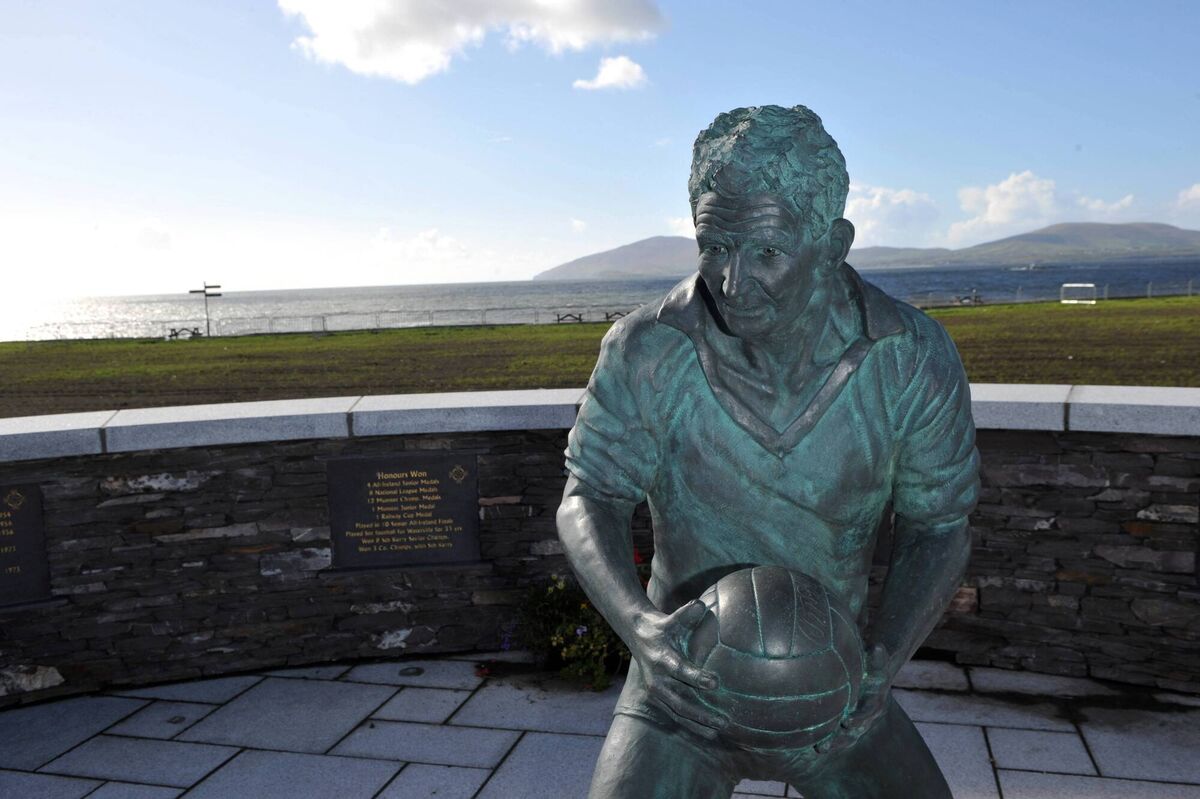
There are two statues along the main drag in the village, their backs to Ballinskelligs Bay and the Atlantic. Charlie Chaplin was a frequent visitor later in life.
Unlike the other man remembered in bronze, Chaplin, as best can be established, never togged out for Waterville in the south Kerry championship. Mick O’Dwyer has now joined him as part of the mystery that lies beyond death.
And before the night is out, he will sit Mr Chaplin down on some rocks by the shore and ultimately convince the comedian that he missed his true calling in life, which would have been to play on the 40 for Kerry.
Ni bheidh a leithead aris ann is often used, but rarely more true.


CONNECT WITH US TODAY



Be the first to know the latest news and updates