Pride of place: why it always matters where we come from
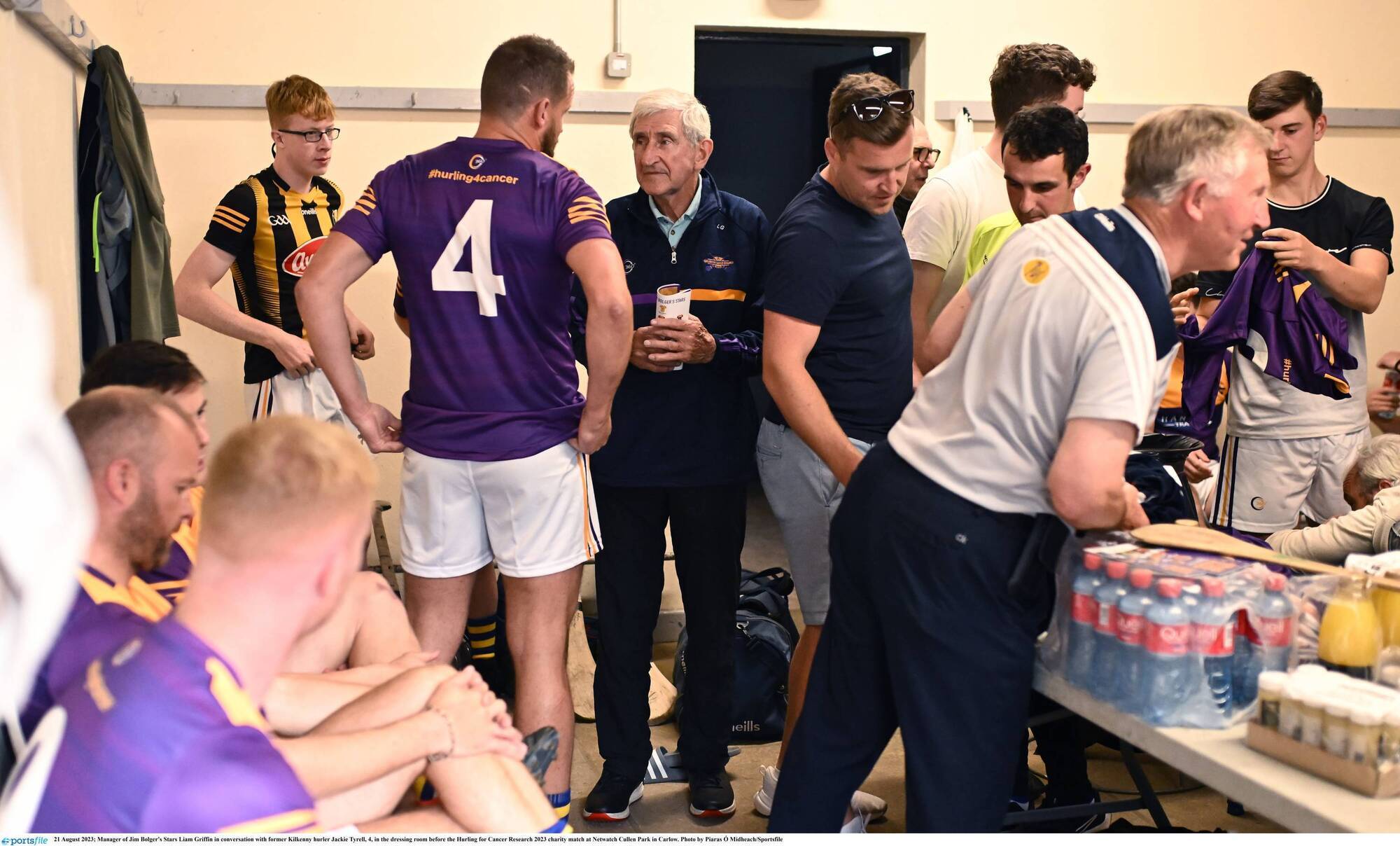
BELONGING: Manager of Jim Bolger's Stars, Liam Griffin, in conversation with former Kilkenny hurler Jackie Tyrell, 4 before the Hurling for Cancer Research harity match at Netwatch Cullen Park in Carlow. Pic: Piaras Ó Mídheach/Sportsfile
Ger Loughnane’s autobiography “Raising the Banner” winked at me from the creaking bookshelf. If someone could help explain the importance of place in the psychology of sport, surely it was the impassioned Clare man.
But as I lifted the book, out fell a page with the words of another county manager: “Who are you? Who are you? I’ll tell you who you are. When I’m finished speaking we are going to walk out of Wexford.”
It was Liam Griffin, former hurling manager, speaking in 1996 before his team’s Leinster Senior championship contest with Offaly.
“A county of which we should be so proud” he said, listing towns and townlands throughout Wexford. “And of course, Boolavogue. That’s who we are and that’s where we come from.”
Why does it matter where we come from? One answer is seeded within our native Irish language. “Ceantair dúchais” is the area we come from.
But 'dúchas' means more than a place on a map. It conveys a sense of our heritage and identity. One of those most gifted at expressing this was Seamus Heaney, amongst Ireland’s greatest writers.
With sounds, smells, scenes and sensations, Heaney painted a picture through his poems. How a place shapes the identity of people is an unmistakeable and a recurrent theme, even as people toiled to make the place their home.
Heaney drew inspiration from his own homeplace, the townlands of Broagh, Anahorish, and Mossbawn where he grew up.
My granny on my mother’s side grew up near there too. It’s an area rich in heritage, with archaeological finds dating back to 6,000 B.C.
At some stage in life, my granny crossed the River Bann from Derry into Antrim. She married Patrick Totten, a cobbler, raising their ten children in a small house in the townland of Creeve.
The place name An Chraobh referred to a large (sacred) tree which in years gone by had stood on Creeve hill overlooking Lough Neagh, in south west Antrim.
My grandparents’ home was a stone’s throw from the local GAA pitch, home of Kickhams Creggan CLG, for whom my uncles and cousins went on to play.
In my last year of primary school, one of them sought me out and brought me into the fold.
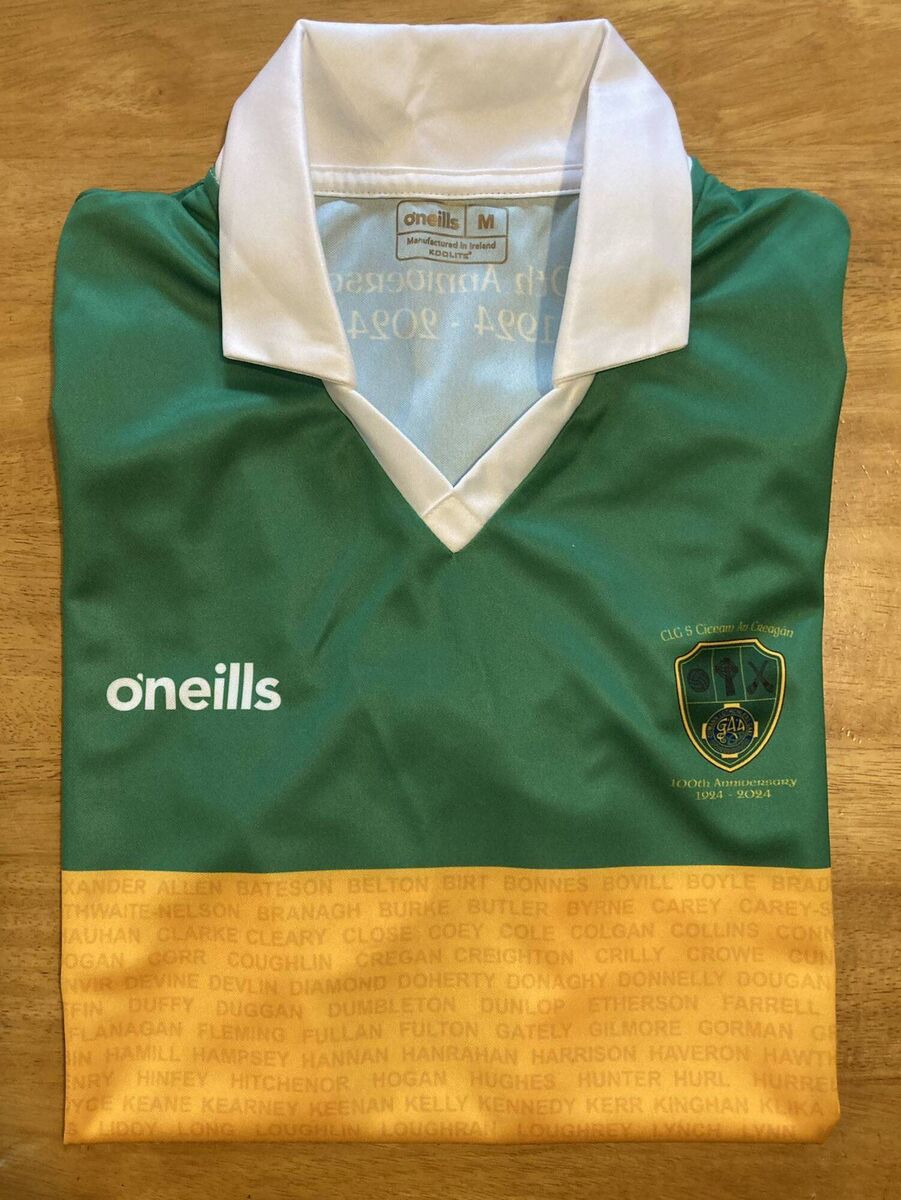
In my years playing Gaelic football and hurling, the only club jersey I ever wore was the green and gold of Kickhams Creggan. That place identity was instilled at a young age.
When Shane MacGowan passed away last year, the strength of his connection to the place of his forefathers in Carney Common, Tipperary was striking: “This has always been my home. However far I wander this is where I belong,” said McGowan.
Meeting our need to belong is integral to our ability to function and flourish as people. Over centuries, we have created social and cultural norms, traditions, rituals, stories and language to help meet this need. I once heard the leader of Ngāti Whakaue tribe in New Zealand describe his belonging place. In Maori language it’s expressed as .
This was where he was born, he felt a connection to his ancestors and the spirits from before. When South Africa’s foremost political prisoner and former President Nelson Mandela passed away, he was laid to rest in Qunu, the rural tribal homeland of his people in the Eastern Cape, far away from the corridors of power.
Ireland has more in common with other cultures than some people think. When Sean Boylan managed the Meath senior footballers to four All-Ireland titles, he famously trained them on runs through the ancient Hill of Tara.
The connection to the throne-place of the Kings of Ireland was as important to Boylan as developing athletic endurance in the team. In his autobiography, Joe Schmidt tells how as manager of the Irish rugby team, he tried to anchor their identity through an association to Newgrange.
For the last century, since Kurt Lewin’s work, psychologists have explored the interaction of people and environment as it influences human behaviour.
Our growth and development as people is enriched by the feeling we belong. As our individual and collective identity evolves, this may include a sense of place, or where we come from. In turn, that may be influenced by changes in context over time.
How does that relate to sport? Look no further than “The Barcelona Way” by Professor Damian Hughes: “Former Barcelona President Joan Gaspart says, ‘History has transformed us into something more than just a football club. Barcelona is the defence of a country, a language – a culture.’”
Most Irish place names have a distinctive link to our land. However, the meaning of many places in Ireland is still obscured by our colonial history. When the Ordinance Survey arrived to map out Ireland for British rule, they used phonetics to change place names. Take Trillick, for example, a place on the border between Tyrone and Fermanagh. Last year, Trillick's senior football team did the double, winning both the fiercely-contested Tyrone SFC and CO League.
When I was first invited to Trillick almost ten years ago, it was a different situation. Trillick had not been in a county senior championship final for 28 years.
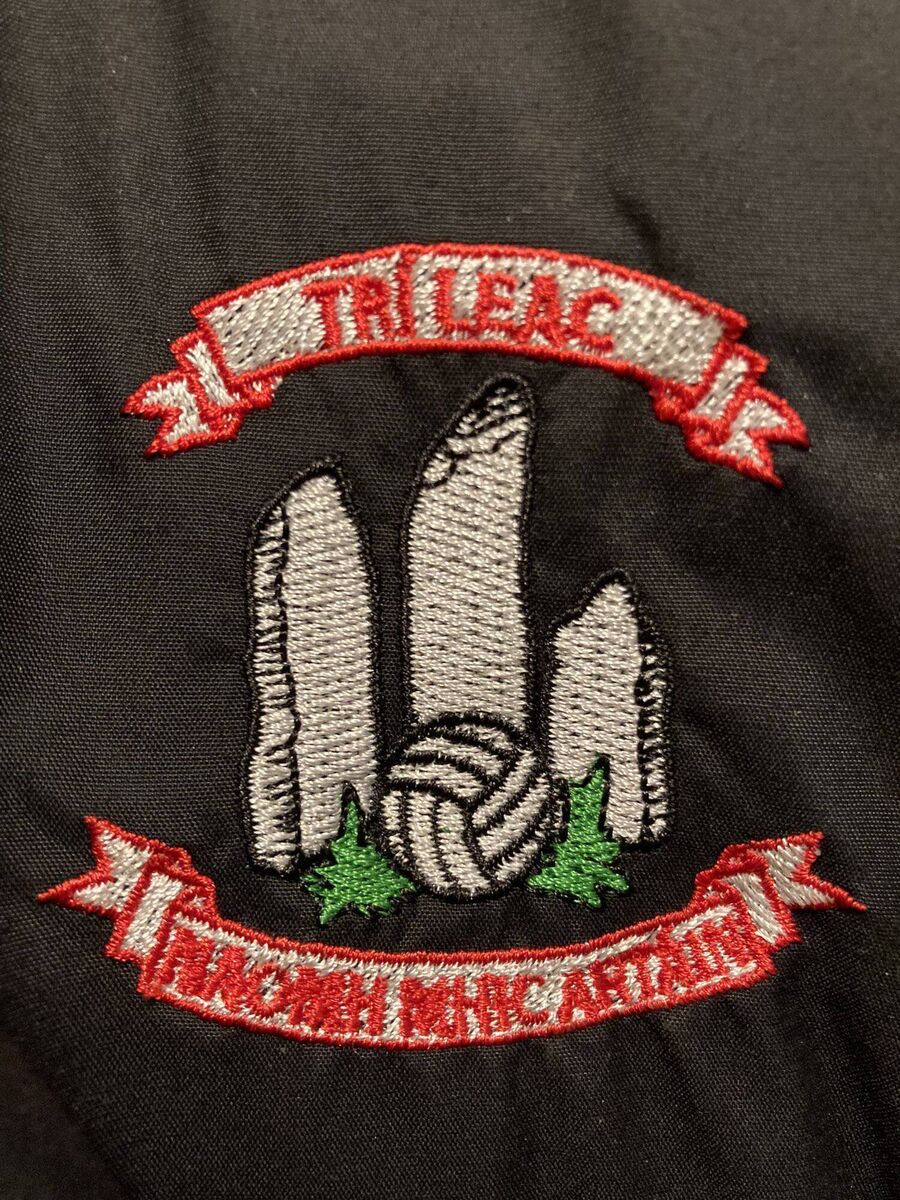
But that’s not where our conversation began. The younger generation didn’t know that the name of the place they’d grown up was a hangover from colonial mapping. Trillick meant nothing. The place name was Trí Leac, meaning three standing stones, as seen on the club crest.
After scouting around, with the help of a team mentor, we found the site of the now fallen standing stones. As the saying goes, the rest is history and the team’s own journey goes on.
Back in south-west Antrim, Kickhams Creggan CLG celebrates its centenary as a club this year.
A beautiful green and gold commemorative jersey has been produced with the surnames of past members, including Kearney and Totten imprinted across the chest.
People and place connected over time.
As dúchas dóchas.
CONNECT WITH US TODAY



Be the first to know the latest news and updates