GAA talking points: Clare look to right wrongs of past Limerick clashes
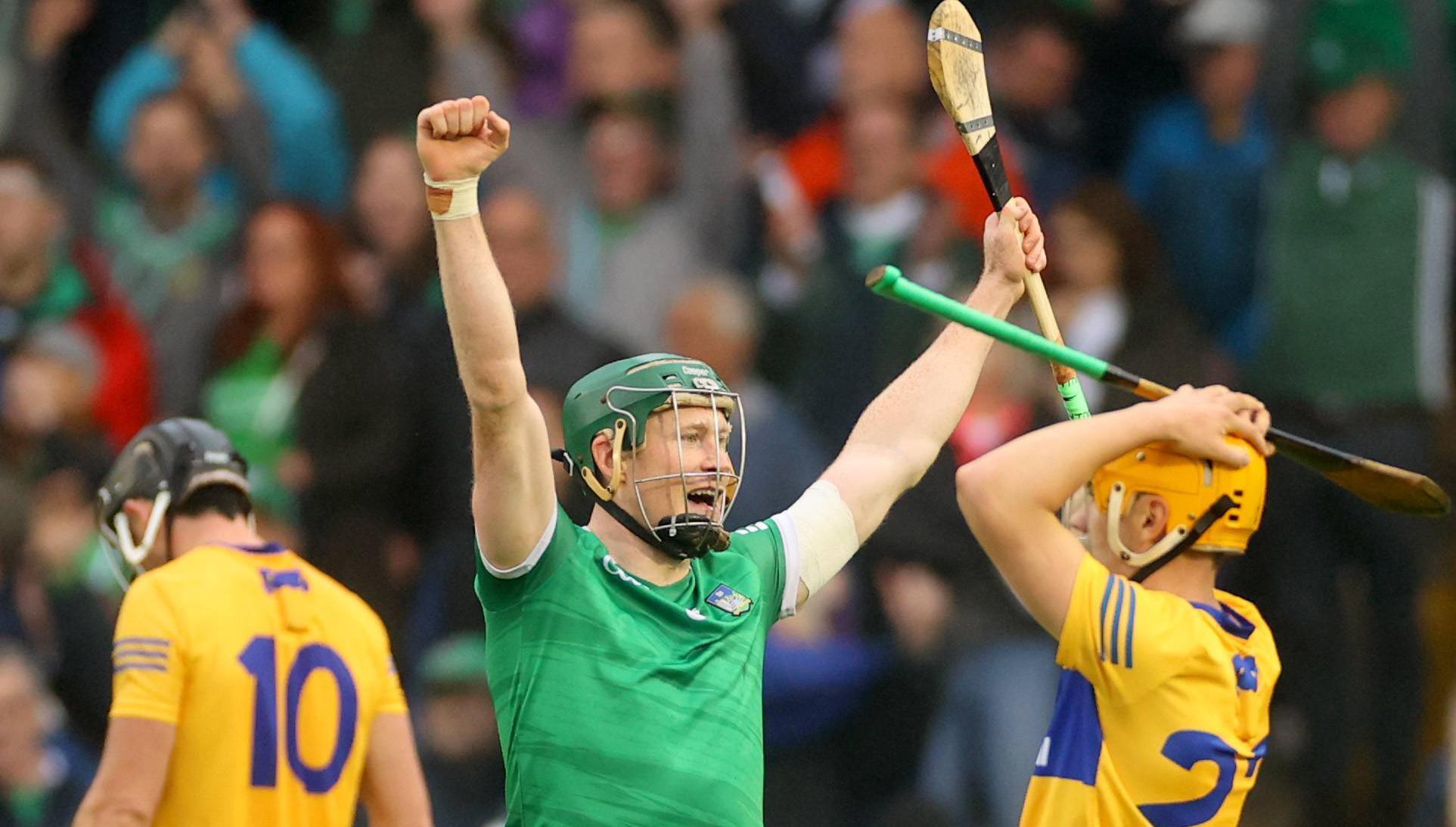
TRIUMPHANT: Limerick’s William O'Donoghue celebrates at the final whistle of last year's Munster SHC decider. Pic: INPHO/James Crombie
The week after winning the 1936 All-Ireland hurling final, the Limerick hurlers were invited to attend the Savoy cinema in Limerick city as special guests. At the interval the players were introduced to the crowd one after the next. They all got a loud cheer until it came to Mick Mackey, when the place went wild.
As Mackey showed off the Liam MacCarthy cup, he took the microphone and declared: “We won the All-Ireland final this year. And we mean to do the same next year.”
Limerick didn’t, losing the Munster final to Tipperary by six points, but they had been rattled by Clare in their opening championship match in the Gaelic Grounds. The final margin was seven points but at least Clare had shown something in the middle of a decade which had started so gloriously but which ended as one of the blackest in the county’s history.
After winning the 1932 Munster championship before going on to narrowly lose the All-Ireland final to Kilkenny, Clare won just two of their next 12 championship matches on the field of play between 1933-’40.
Both of those wins came in 1936 when Clare beat Waterford (in the first round) and Cork (after a replay in the second round) before losing the semi-final to Tipperary by 11 points. Clare did reach the 1938 Munster final, which they lost to Waterford, but only after Clare objected to Tipperary’s victory in the semi-final after Tipp fielded Jimmy Cooney who was suspended. Clare were later awarded the game.
The numbers painted a desperately bleak picture – Clare lost those nine Munster championship matches by an aggregate margin of 107 points, which was a huge total at that time. It was all the more painful again when a decade which promised so much for Clare turned into Limerick’s first golden period as they went on to win three All-Irelands between 1934-1940.
It was all the more excruciating again with Clare losing to Limerick the four times they met between 1933-’39, by an aggregate margin of 53 points. The rot that decimated the latter half of that decade really set in during 1933, when Clare went into that championship with so much hope, before being hammered by their neighbours by 19 points.
Over eight decades on, as Limerick are now in their second, but most glorious and golden period ever, Clare are enduring a different, but somewhat similar type of pain as their predecessors did in the 1930s – especially when having to watch their neighbours rule the hurling world again.
There isn’t the same bad blood or animosity that defined the Clare-Limerick rivalry in the 1990s. It was a different time, with a vastly different group of characters, but one of the reasons Clare-Limerick games were such epic and ferocious contests between 1996-’99, was because Limerick resented the fact that Clare had what they desperately craved. And now that Limerick have become such a dominant force, the mood is broadly similar amongst the Clare squad and public.
This Limerick generation have completely altered the narrative. Prior to this current crusade, most of the pain Limerick had suffered came at the hands of their neighbours. Clare comprehensively beat Limerick in the 2016 and 2017 championship. When the sides met in their final round robin game in 2018, which effectively doubled up as a Munster semi-final, Clare won by 11 points.
Their next meeting again in March 2019 in Ennis (which ended in a draw) was always bound to be a spiky and fractious affair, not just because Clare were jealous and resentful after watching Limerick go on and win the All-Ireland after that 2018 beating, but because Limerick were coming to Ennis with a status they were able to boast over Clare for the first time in decades.
In the 1970s, Limerick beat Clare on five occasions in championship, but Clare also won two games in that decade and drew another. Yet after those three successive wins between 2016-18, Clare have now failed to beat Limerick in their last four championship games, plus their last two league meetings. Three of those six games were draws while last year’s Munster final went to extra-time. But not getting a win since 2018 has been all the harder to take considering Limerick’s domination.
It’s only the league but beating Limerick in Limerick on Saturday evening would be a good start for Clare as they try to halt the misery.
Despite all his playing experience, his first year in inter-county senior management last season was always bound to be a steep learning curve for Henry Shefflin. When TG4’s Micheál Ó Domhnaill asked him before last weekend’s game against Wexford what he learned most from that maiden experience, Shefflin said it was the intensity and compactness of the season, especially once it takes off.
When Ó Domhnaill asked him to expand on the learnings from that experience, Shefflin said the priority was to broaden squad depth.
“Those players that sat in the stands last year for the Leinster final and All-Ireland semi-final and probably said to themselves 'I’m good enough to play in these games', this is a great opportunity now to test these players,” said Shefflin.
“When you’ve 20 minutes to go in an All-Ireland semi-final, can you look behind you and say these players can make an impact?”
During last year’s league, nobody cast the net wider more than Shefflin – Galway used 35 players during their five games, which was six more than the Division 1 average of 29.
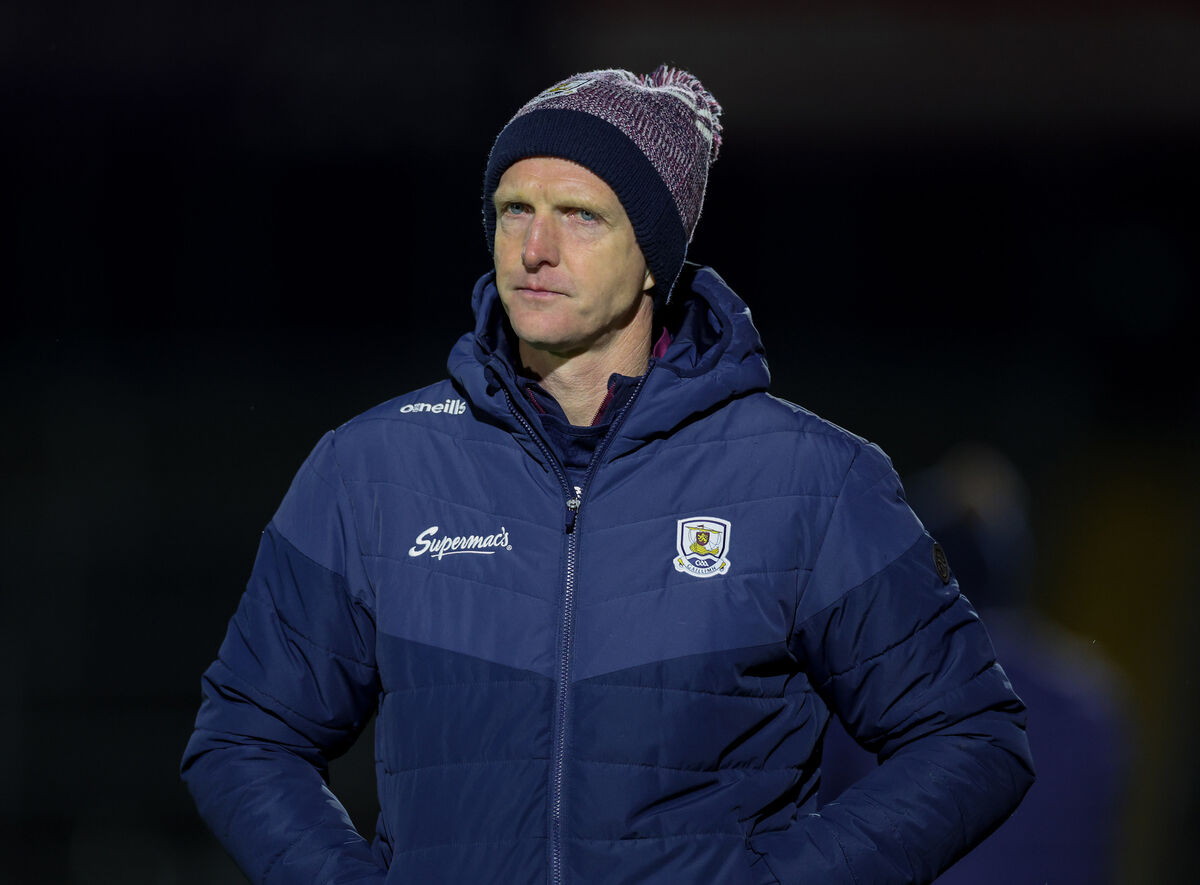
Yet when the championship arrived, Shefflin named a very settled side throughout the campaign. During their seven games, Shefflin handed championship debuts to five players – Cianan Fahy, Ronan Glennon, Gavin Lee, Tiernan Killeen and Kevin Cooney.
Fahy though, was the only one to establish himself while Glennon, who was excellent during the league, got injured before coming back to start Galway’s last two games of the championship against Cork and Limerick.
Cooney made three appearances off the bench while Lee came on in five games for a combined 49 minutes, but Killeen only played four more minutes after being introduced at half-time against Westmeath.
Last week’s team only included seven starters from last year’s defeat to Limerick and Shefflin did shake it up, handing a first league outing to Eoin Lawless and a first league start to Donal O’Shea, with O’Shea having played Fitzgibbon Cup with UCD just two nights earlier.
Three other new faces also came off the bench – Liam Collins, Ronan Murphy and Oisin Salmon, with Murphy (1) and Collins (2) notching 0-3.
For now, opportunities have opened up. A raft of players are carrying injuries. The St Thomas’ players only returned to training the week prior to the Wexford match. Of the 30 players to start for University of Galway and ATU Galway in the Fitzgibbon Cup quarter-finals on Thursday, 29 were from Galway, a raft of whom are on the senior panel.
Not all of those players may get game time during this league but Shefflin showed last year that he is not afraid to throw players in during the spring. The big challenge this time around though, is to find more players who can step up over the summer.
On the opening day of the league last year, Tipperary went to Portlaoise and scraped over the line by four points. Laois were forced to play most of the second half with 14 men after Paddy Purcell was sent off. Tipp failed to score a goal. They did have two good goal chances but Enda Rowland made brilliant saves from Denis Maher and Jason Forde.
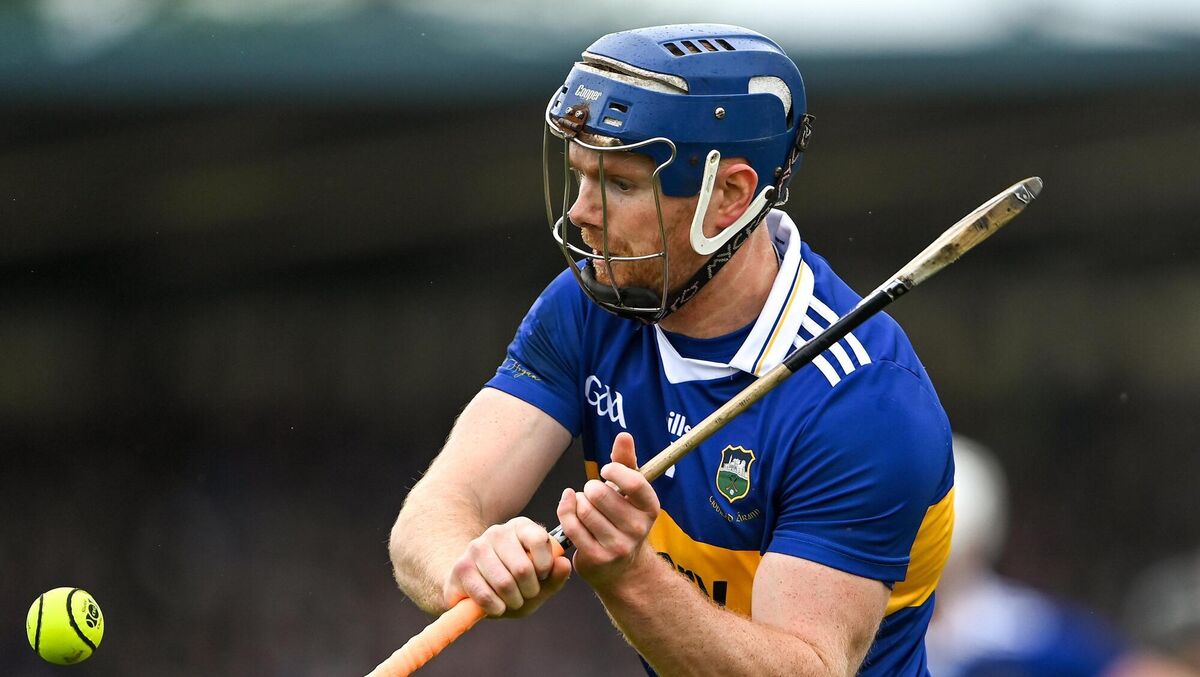
A week later, Waterford played Laois and scored 7-31. Waterford could have had ten goals alone in the first half. They settled for four goals in four minutes before the break. Waterford created 13 goalscoring chances in total.
Waterford filled their boots that afternoon, but they were the highest goal scoring team in last year’s league by a distance with 22 green flags raised in seven matches. That lust for green flags was a dominant principle of Waterford’s explosive running game, but, while championship is always a different animal, they never carried that threat in the championship, scoring seven goals in four games.
Going forward at pace is the core tenet of Mikey Bevans’ coaching philosophy, which was first evident during Liam Cahill and Bevans’ time with Tipperary underage teams in how they always produced fit, direct, hard-running and hard-working teams with huge spirit. En route to the 2019 All-Ireland U-20 title, Tipp scored 19 goals in just four matches.
Now that Cahill and Bevans have returned to Tipp, those central principles of taking on the man and running off the shoulder are already evident. As is that lust for goals - Tipp created nine goalscoring chances against Laois last weekend.
Sunday against Kilkenny will provide more evidence of Tipp’s new identity under Cahill.
CONNECT WITH US TODAY



Be the first to know the latest news and updates