What does the GAA performance coach do? Don't ask.
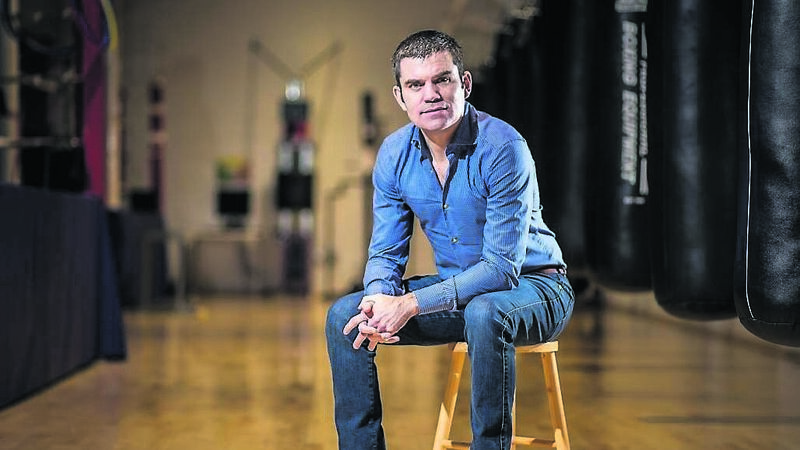
KEY ROLE: Bernard Dunne was a performance coach with the Dublin footballers during their great run under Jim Gavin, and worked with the Galway footballers.
By the end of 2009 Tipperary’s drought left them with a crippling thirst. They finished that year gathered in a room with emotion pouring out of them. Psychologist Caroline Currid facilitated the session, a sentence here or there initiating the dam’s tumble as players opened up and let tears flow.
A few months later Padraic Maher texted fellow Tipperary man and Munster player Alan Quinlan. In the GAA’s never-ending arms race, he yearned for external ammunition. Would it be possible to sit down with the Red Army’s commander? Maher travelled across to The Treaty and met Paul O’Connell.
“Within a half hour the meeting was arranged,” Maher says in his recent autobiography. “I wanted to speak and learn from the best, and anything I could do to improve my training, preparation, leadership, I was happy to do. I met with Paul and had a great chat for over two hours one afternoon in Limerick.
“Just even listening to his experiences, things he picked up along the way, how he overcame obstacles, disappointments, the winning of moments big and small, organisation, standards. I learned so much for him in that two hours – he was immense.”
That September they drank from the Liam MacCarthy Cup once again, ending Kilkenny’s Drive for Five in the process. One of the primary takeaways from Maher’s book is that the work of psychologists, performance coaches and external figureheads was invaluable. It is littered across the pages. They gulped from this source at any given opportunity.
Séamus Callanan once credited Kieran McGeeney’s work one-on-one outside of the training ground with his turnaround after 2014. Maher doubles down, labelling him ‘one of the best, if not the best’ performance coaches he ever worked with.
Their significance? Unquestionable. The specifics? Another matter entirely.
At the top level such roles are embedded now. Every county and several clubs recruit experts in this field to keep the team ticking over. Davy Fitzgerald brought former Irish rugby player and fellow ‘Ireland’s Fittest Family’ coach Donncha O'Callaghan to Waterford. Gordon D'Arcy was with Wexford last year. The Galway footballers looked to boxing guru Bernard Dunne, who previously worked with Jim Gavin’s Dublin. All-Ireland champions Kerry relied on former Clare hurler Tony Griffin.
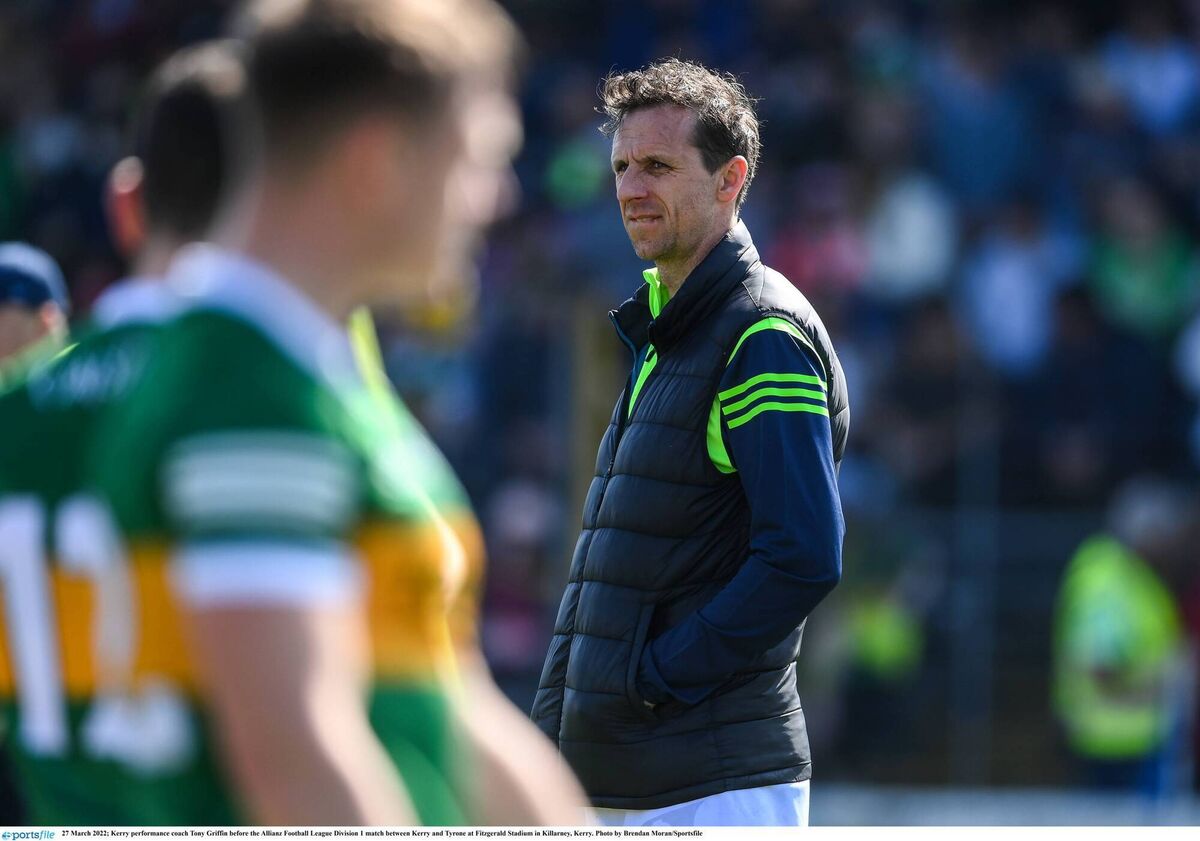
Players readily acknowledge their presence and praise their role, but when it comes to what exactly they do chatter turns to mutters and paragraphs become single sentences. In the constant search for a crucial edge, no one is inclined to provide a replicable one.
As well as Dunne, Joyce is known to invite high-profile speakers west to run workshops or speak to the team. In 2021, Ronan O’Gara’s sessions were immensely well received.
"He was over once or twice," said the Galway boss recently when asked about O’Gara’s visits.
“I'd know Ronan from old and I was chatting to him a couple of times. He was in Ireland one night and he came down to chat to us earlier in the year.
“He was only in the one time and he spoke to the lads before the final as well. He's a great lad, Ronan. He has a lot of knowledge as a player to pass on.
“He wasn't really a performance type of coach, teams get talkers in every now and then, but he was exceptional when he came in."
The standard format is a figure who works with the collective and certain individuals. In Galway, Dunne was there if they wanted to deal with him. Some saw huge value in it, others had their own personal preferences. With Dublin, he claimed his role was to do whatever Gavin ordered. Any examples? Carry water, kick out balls, sideline duties and that sort of thing was what Dunne said when asked. Secrecy reinforced with overly simplified explanations.
Confidentiality was always a source of pride. The All-Ireland winning Wexford team actively sought to keep sports psychologist Niamh Fitzpatrick’s presence in the dark. Then it was a sign of weakness. Even now there are a variety of reasons why managers might push to keep it under wraps. Pádraic Joyce recently suggested Dunne’s involvement was a test of his squad. Could they keep it within the group?
There is power in a different voice and welcomed perspective from another sport. Former Olympian Rob Heffernan has recently come on board with the Cork footballers. Joint-captain Sean Meehan pointed to preparation as an area he is hoping Heffernan adds to.
“Delighted he is there, someone from such an elite background,” Meehan said. “He knows how to prepare better than anyone else.” What exactly will he do?
“It is really different routines. Involving sleep, preparation, all these things. We are an amateur organisation but the way you prepare is close to professional.
“These fellas are involved so players can chat to them and figure it out. It is fantastic for all of us.”
In professional sport, the role is more clearly defined. Right now, job listings include a host of advertisements for a performance coach. With Paris 2024 looming, the British Olympic Swimming team are looking to file a position for someone to work within the ‘Lifestyle delivery framework’ while working with the performance team.
Leading US colleges like NCAA powerhouse USC publish detailed explanations of the job requirements. Particular focus is placed on ‘evidence-based physical training’ and working across sports science, medicine and nutrition.
In the GAA, the role might involve some or all of this. Everyone has their own recipe. No one wants to show how the sausage is made.
CONNECT WITH US TODAY



Be the first to know the latest news and updates