O'Flynn: Gender equality must be top of GAA agenda
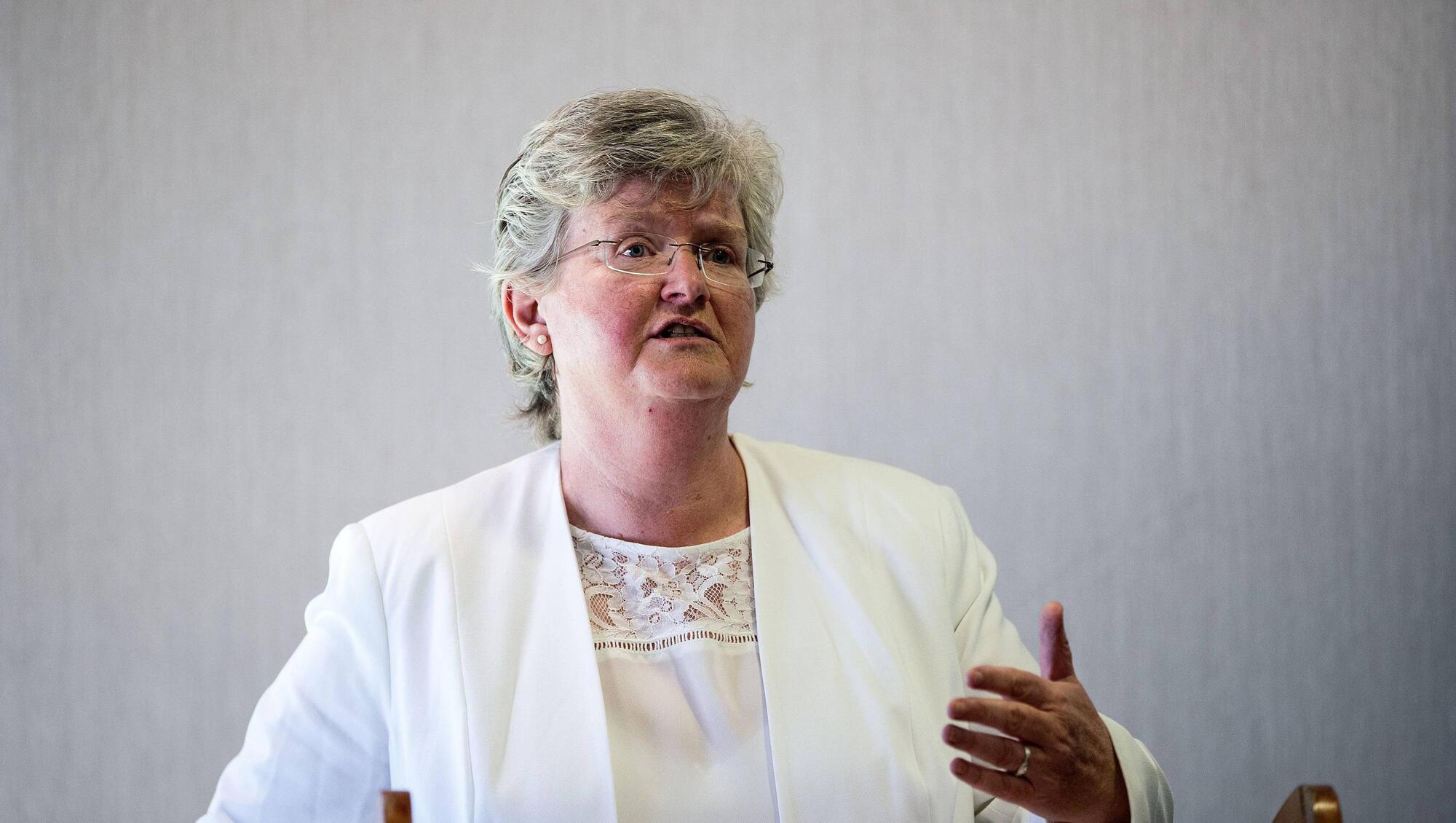
Former Camogie Association CEO, Joan O'Flynn
Former Camogie Association President Joan O’Flynn says gender equality within Gaelic games is the wider issue behind recent discussions about integration of the Gaelic games organisations - the GAA, the Camogie Association and the LGFA.
“It’s a case of ‘what’s your goal?’” says O’Flynn.
“If the goal is gender equality in Gaelic games, if that’s commonly shared and people can articulate what that means in everyday language - everyone understands that that’s not going to happen just because you say it.
“That comes down to organisational values, decision-making processes within organisations, the culture in those organisations . . . a lot of today’s female Gaelic games players are working in environments in which gender equality is a norm.
“So your day job is in an environment where there’s a commitment to gender equality, but then you go up to a pitch and may have a different experience.
“This generation is ahead in terms of knowing what they want, to experience games in a gender-equal way, so it’s up to the associations - all of the Gaelic games associations - to make that happen.
“I’m not privy to what’s precisely going on behind the scenes, so I’m not about to criticise particular organisations, but this is an issue which isn’t intractable, or something nobody knows about, because it’s happening in other areas of modern life as well. This is just the Gaelic games version.”
O’Flynn points out that discussions about equality in sport take place in a wider context also, one which links sport and public policy.
“Take the citizens’ assembly model - there was a citizens’ assembly on gender equality which published a report last year suggesting public funding for culture, arts, sports and media organisations should be contingent on published plans for gender equality within those organisations, and addressing issues around quotas and governing bodies.
“The government has its own sports action plan which says that governing bodies need to publish equality action plans and to achieve 40 per cent representation of each gender on their boards by the end of 2023.
“And in the last couple of weeks the European Commission published a report, Towards More Gender Equality in Sport, which says much the same thing.
“There’s a momentum, then, in public policy around making gender equality more centrally connected to public policy, and that’s the kind of momentum that any sports governing body will have to take account of over the coming period, because everyone is talking about those kinds of frameworks for the next decade.”
Hence O’Flynn’s interest in equality compared to integration: “In terms of Gaelic games, a point worth making is that while a lot of the language has been around mergers and integration and so on, maybe the debate has now moved on and it needs to be more about equality now.
“The recent GPA motion picked up on that issue, ladies football had a motion on that and camogie will have a motion on that issue at its Congress next month.
“Gender equality means addressing certain things - is everyone on the same page and is there a common vision for it, how would the rules governing an organisation be different if that organisation is working towards more gender equality?
“I don’t think anyone expects gender equality to happen overnight but what would help is to have a clear pathway towards that, a clear approach. And changes which reflect the integration of gender equality into the values of an organisation and the culture of an organisation.
“How does that conversation happen across Gaelic games, with the current imbalances that there are? There have been plenty of efforts around collaboration and cooperation - that’s clearly the case at club level, there are double-headers and so on at inter county level, all those things, but it’s still segregated administration of sports, and Gaelic games is a bit of an outlier now in that regard.
“For instance, golf just went through a process to move itself towards greater integration, and gender equality was at the heart of that. You don’t want to wait another 40 or 50 years for it to happen.”

CONNECT WITH US TODAY



Be the first to know the latest news and updates