John Callinan: 'My father was being brought to the church, but I was still hurling'
In an extract from John Callinan's best-selling memoir, 'To Play, To Live', he remembers his father's death in 1964
John Callinan: 'My father was being brought to the church, but I was still hurling'

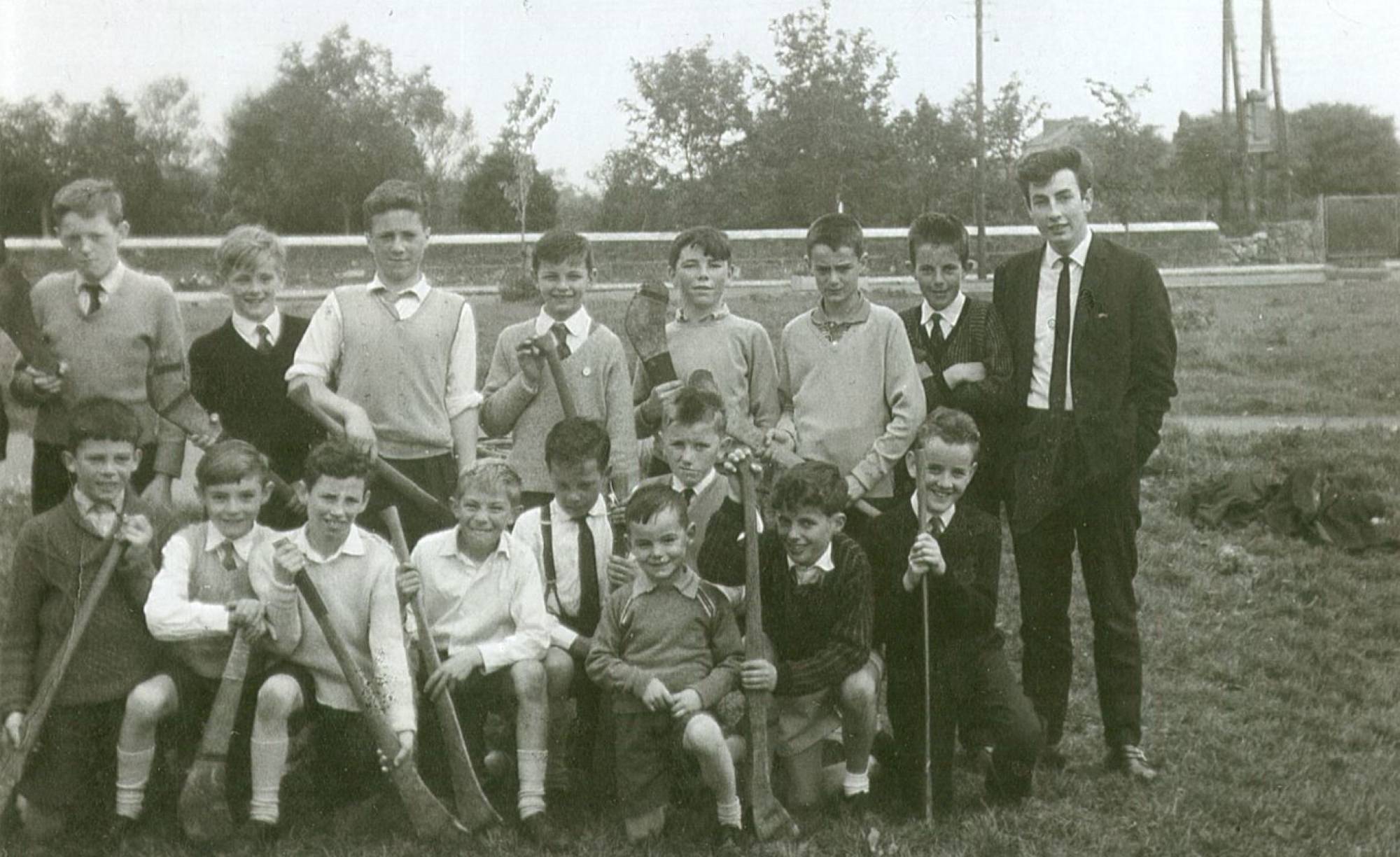
John Callinan in the front row, fourth from the left, with his mates on the green

MAY 14, 1964

It was only my second time in Dublin, but whereas the first was fun and adventure, this was a journey into the darkness and the unknown.

My father, Eamon had just died — he had been ill for a while, in and out of hospital in Limerick and finally Dublin, but it was still very sudden and a huge shock. He was just 42 and a strong man, and I wasn’t with him when he passed away.

It meant the 150-mile road trip to Dublin and back with his remains was the beginning of a long goodbye and an uncertain future for my newly widowed mother, Mary, left with six young children ranging in ages from 13 down to two and a business to look after.

Dad had brought me to Dublin for the first time less than two years previously, to the new frontier for a hurling fanatic; when I became the envy of all my hurling peers on the street and around the village by attending the All-Ireland final between Tipperary and Wexford.

The first Sunday in September. Where my daydreams actually brought me.

Now, I was going to the same parish – up the Liffey quays... then O’Connell Street... around by Parnell Square, but instead of following a straight line down Denmark Street to Mountjoy Square and on to Croke Park, we were veering to the left for the Mater Hospital.

It was just a few pucks away from Jones’ Road, but the difference between the two places and the two visits, two years apart, couldn’t have been more stark, particularly because I was so young and didn’t really know what was happening.

I was a seven-year-old going to Croke Park that first time, wide-eyed and in awe that my father would bring me to the biggest day of the year. His signal to me that I was coming of age; my age of reason coinciding with the age where I could step up to the same level as him and attend All-Ireland finals.

Like the player winning a first All-Ireland, I was convinced it would be like this every year. Myself, my father, the All-Ireland. Again... and again.

A wonderful ritual of habit.

The build-up, the journey... the everything about the best day of the year. Now, suddenly it was all gone. There’d be no more All-Irelands with Eamon Callinan, the larger than life Ennisman, who had crossed the great divide between town and village and was embraced by Clarecastle as one of their own.
Hurling man.

Hackney man.

Barman.

Board of Works man.

Man about village. To me he was huge. A man of 6’1”, with big shoulders and a big chest and a hero. My father was named after Éamon de Valera, but he was why I called my own son Éamon.

At the time of his death, was I heartbroken? Was I bereft?

I don’t know, because I don’t think I understood it. I had a sense that this just wasn’t right, but as to having a sense that my father was actually dead, I wasn’t sure what that really meant. How could I understand?

There was nobody there to counsel me, not that I thought I needed counselling.

Hurling did that, and in its own way filled a vacuum. Being out and about with friends, growing up with them, hurling with them. Everyday. Going home to eat and sleep and then away hurling again. It’s what we all did.

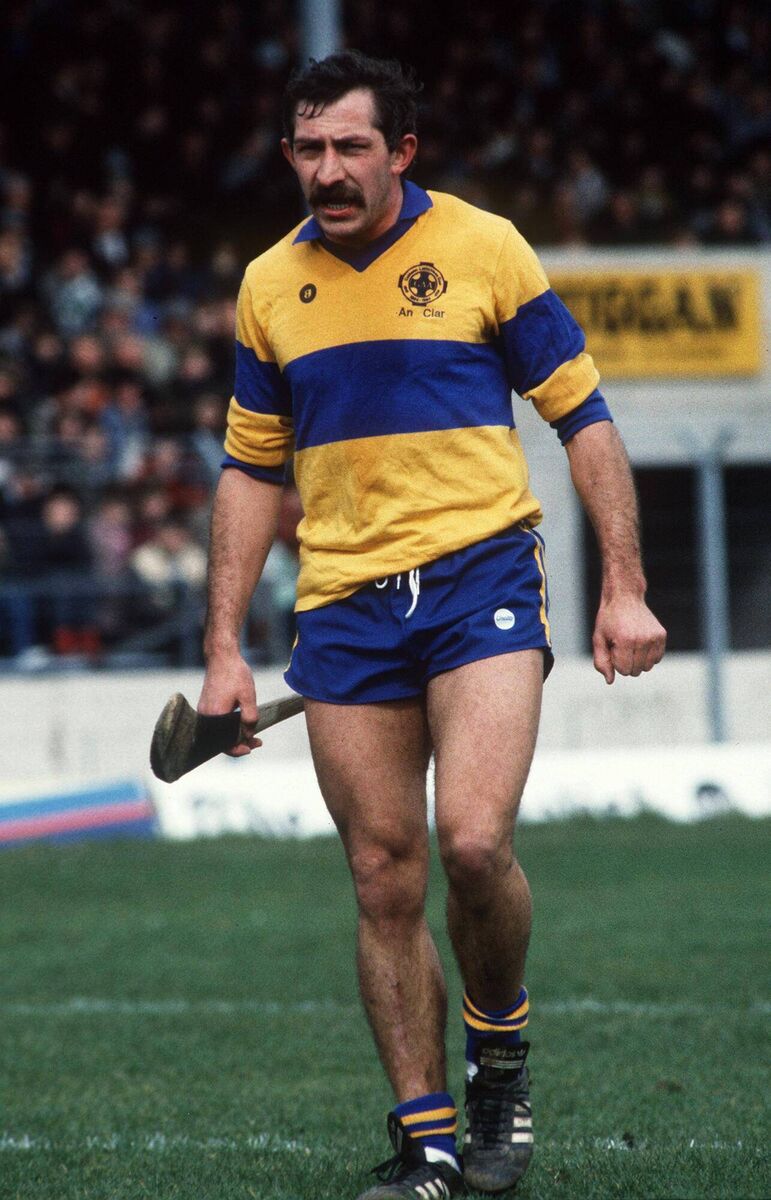
John Callinan of Clare in his playing days. Picture: INPHO

And it was hurling on many different levels that I was thinking about on the way up to Dublin that day. It was an escape, thinking about that All-Ireland final journey with my father that was a cherished memory... being in the Cusack Stand with him.

It’s not like I was saying to him on All-Ireland day that I wanted to emulate the likes of Billy Rackard, Nick O’Donnell, Donie Nealon, Theo English or John Doyle; but I was telling him I wanted to be a hurler. Him telling me, why not.

Those hurling thoughts would have consumed me all the way back home. Through the towns and villages until we came to our own village, with the funeral cortege stopping ceremoniously below the bridge... Droichead an Chlair, the traditional port of entry by road to Clarecastle from the south that’s just a few yards from our house and from the old hurling field across the road.

I wonder will they play the game.

Surely not... how could they play a game of hurling... today?

It was the local street league final where the only criteria for participation was that you could hold a hurley, wanted to play and were able to stay out of harm’s way. It was the ad-hoc All-Ireland that went from the training grounds of the Main Street where I lived, and the Quay Road behind me, to the hurling field for the grand finale.

To all of us, but especially for me, this was bigger than a day out in Dublin for an All-Ireland final. Much bigger. This was about local bragging rights in the village and much more as my team crossed camans with the lads from St Joseph’s Terrace for the title.

They couldn’t play without me. Don’t even think about it... didn’t happen.

I was convinced, but still consumed by it. I had to know for sure as the funeral started moving again, going past our house and pub where there was another pause and then up the street to the church.

Fifty-six years later and it’s one of my most vivid hurling memories. My father was being brought to the church, years and decades before his time, but I was still hurling in that moment, pucking the ball over and back in my mind as to exactly what was happening in my absence.

I was walking up the church yard behind his coffin, but looking around as I went. I wanted to catch the eye of my best friend, Ger Ward. He’d know.

He was one of the crew, another hurler. Eventually I saw him with his back to the church, and he with another pal and hurler, Haulie Russell.

Over I went, jumping out of the line to get the news. The confirmation I was looking for and expected.

‘Did ye play?

‘Ye didn’t... I know ye didn’t.

‘Ye called it off for me... fair play.

‘When is it on?

‘I’ll be there!’

Then the pause, and the few seconds of dead air.

‘We... we did play and we won.’

My heart sank, but more than that I was absolutely livid with Ger, Haulie and the whole lot of them, even the lads from St Joseph’s Terrace. In that moment – and it’s frozen all this time – I was heartbroken for a second time that day.

John Callinan 
John Callinan 

I wanted so badly to play that game, for myself, but also for my father. The fact that the lads didn’t wait for me and put the game back for a few days so I could be part of it made me angry and disappointed. I shed a few tears later that they’d gone ahead without me. It was emotional, because even at that stage hurling meant that to me.

It’s not like they needed Clare County Board or Central Council approval to do the right thing – instead they did the wrong thing. The winning or the losing of the game didn’t matter, but just to be part of the occasion, the rough and tumble of it and the few pucks I might get was everything to me.

At nine I had no idea whether I was a good hurler or not, but I just wanted to play and as I jumped back into the line to walk into the church behind my father’s coffin that’s what I was thinking about.

It’s one of my earliest hurling memories and I wasn’t even playing. It’s still there because getting the chance to play the game and be part of it was what it was all about – that’s how I felt that night and it’s a philosophy I’ve carried with me ever since. It’s the thrill of the game, the primal and tribal elements to the simple act of pucking a ball. Everything that goes with it. I just wanted to be part of that at all times.

Hurling it.

Pucking it.

Living it.

I didn’t that day, but the day should have waited for me.

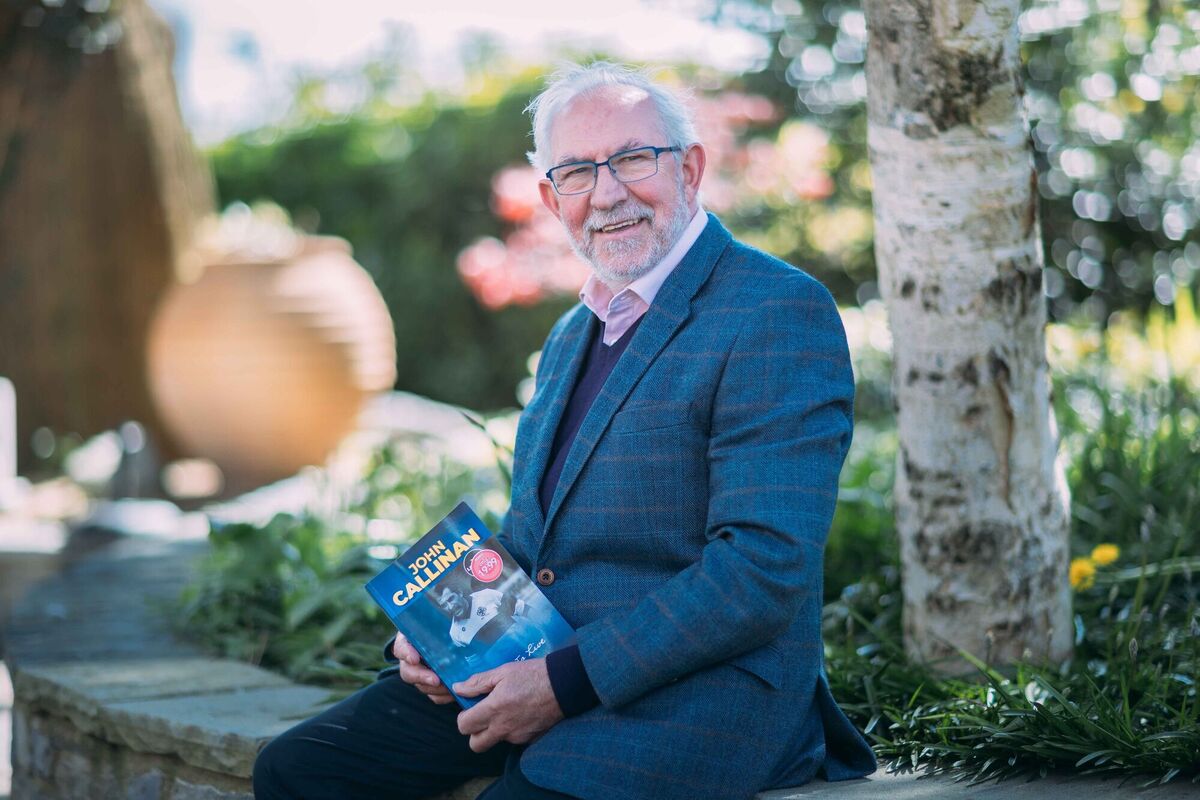
- John Callinan’s memoir, To Play, To Live is published by Hero Books and is available in all good bookshops, and also on Amazon as print or ebook.


x

More in this section

Cookie Policy Privacy Policy Brand Safety FAQ Help Contact Us Terms and Conditions

© Examiner Echo Group Limited