Glen Rovers v Blackrock: A reminder of the halcyon days of Cork hurling
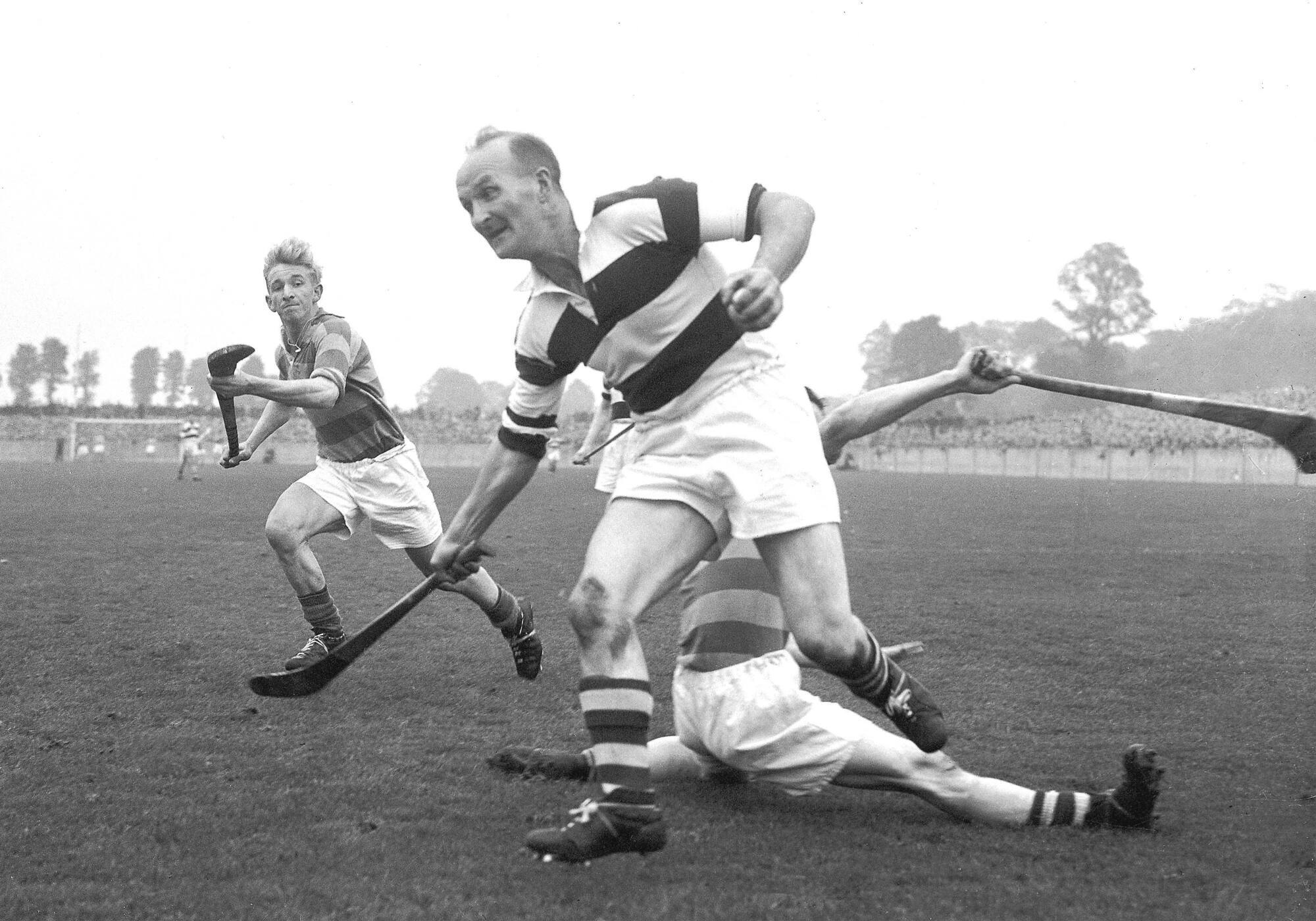
From the Cork hurling final between Glen Rovers and Blackrock at the Athletic Groundsin 1956. Christy Ring in action
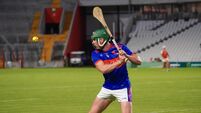
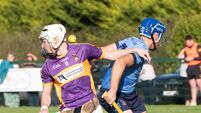
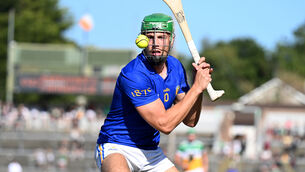
Sunday’s much-anticipated Cork county final will be contested between Cork’s two most decorated clubs, Blackrock and Glen Rovers.
Claiming 59 senior championships between them (Blackrock – 32, Glen Rovers 27), the two clubs have dominated the landscape of Cork hurling for much of its history.
When they pair off on Sunday, it will mark the 38th championship meeting between the old foes and their 11th meeting in a county final.
At the time of Glen Rover’s inception in 1916, Blackrock were the de facto kingpins of hurling on Leeside, claiming almost half (14) of the county championships on offer up to that point. By the time the Glen joined the senior ranks ten years later, Blackrock had acquired a further three and were on the march for another three-in-a-row.
The Glen’s induction at senior level pitted them against the reigning champions down the Mardyke on April 25, 1926. Although the Rockies, led by the imperious Eudie Coughlan, proved far too strong, the seeds of an illustrious rivalry were sown.
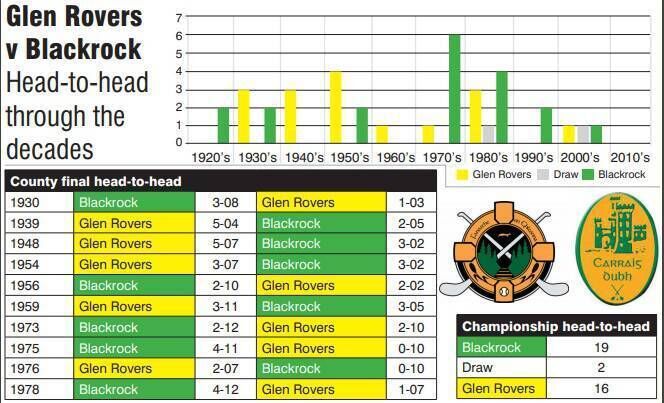
Four years later, the pair met in the championship decider, Glen Rovers’ inaugural championship final appearance. Again, the more experienced Rockies emerged triumphant to retain their title.
By 1934 however, the development of young talent such as Connie Buckley, Batna Barrett and Josa Lee facilitated a ‘changing of the guard’ moment in Cork hurling, as the Glen defeated Blackrock for the first time en route to their maiden championship success.
The trophy would reside in Blackpool for the next seven years.
As the Glen began to administer their stranglehold on the county championship throughout the ‘30’s, Blackrock’s hurling fortunes waned. In 1939, eight years after their last triumph, the Rockies returned to the county final against a Glen Rovers side looking to record their sixth successive title.
In front of a record crowd estimated at 25,000 at the Cork Athletic Grounds, the Rockies led at the interval, but a Willy Hickey inspired second-half performance saw the Glen claim the crown.
Blackrock returned to the final in 1948, only their second appearance in a decider in 17 years. Captained by the renowned Johnny Quirke in his last championship match, they battled gamely but again came up short against a star-studded Glen Rovers team featuring the likes of Jim Young, Josie Hartnett and Christy Ring.
The Glen repeated the trick in 1954, lining out in the final with eight of Cork’s All-Ireland conquering treble-winning side. Despite a five-point defeat, an encouraging performance by the Rockies, for whom the majority of the side were playing in their first county final, suggested that the sleeping giant could finally be awakening from its slumber.
In 1956, 25 years after Blackrock recorded their last championship victory, the Rockies returned to the apex of Cork hurling and in doing so, defeated the Glen for the first time in 22 years. Cork goalkeeper, Mick Cashman, captained the side from centre back and was chaired off the field after an eight-point victory over their much-vaunted rivals. The Glen weren’t down for long, however.
They reclaimed their title in ’58 and the following year, avenged the county final defeat of three years previous, vanquishing the Rockies to claim their 17th title in just 25 years.
Before the Glen and the Rockies were due to meet again in the 1959 decider, the eligibility of Blackrock’s Tommy Furlong was cast into doubt. With the Glen threatening to object should Furlong line out in the final, their dissent owing the perpetrator’s alleged watching of a soccer match, Blackrock made the decision to omit Furling from the team, claiming publicly that he had ‘hurt his leg in an accident’. Without their midfielder, who’d scored three points in their semi-final defeat of Seandún, Blackrock fell to a six-point defeat. Furlong, aggrieved at his omission, left Blackrock and went on to found the Ballinure club.
The Glen won a further five titles throughout the ‘60’s, but it would be 1973 before they crossed paths with Blackrock in another decider. By then, the inception of an All-Ireland competition and the early successes of both clubs on the national stage (Blackrock winning it in ’72 and the Glen in ’73) added a lustre to meetings between the pair.
A two-point victory for Blackrock was rendered all the more significant in that it safeguarded their standing atop hurling’s roll of honour, their 25th county triumph eclipsing the Glen’s 24.
The two clubs would go on to dominate the ‘70’s. By the turn of the decade, their combined trophy haul comprised five All-Irelands and seven Munster crowns and in doing so, ensured that the club championship in Cork lived up to its billing as the ‘Little All-Ireland’.
It would have been scarcely fathomable in 1978, when Blackrock and the Glen paired off in a final for the fourth time in six years, that the two eminent hurling powerhouses wouldn’t meet again in a decider for 42 years.
Thus far, it’s been a sporting year immersed in nostalgia, much of which has grown increasingly tiresome. But a Rockies-Glen county final and the convergence of past and present will be sure to induce a wistful reminiscence of the halcyon days of Cork hurling – and perhaps a giddy optimism for its future.
CONNECT WITH US TODAY



Be the first to know the latest news and updates