Jim Gavin reveals key messages of his coaching philosophy
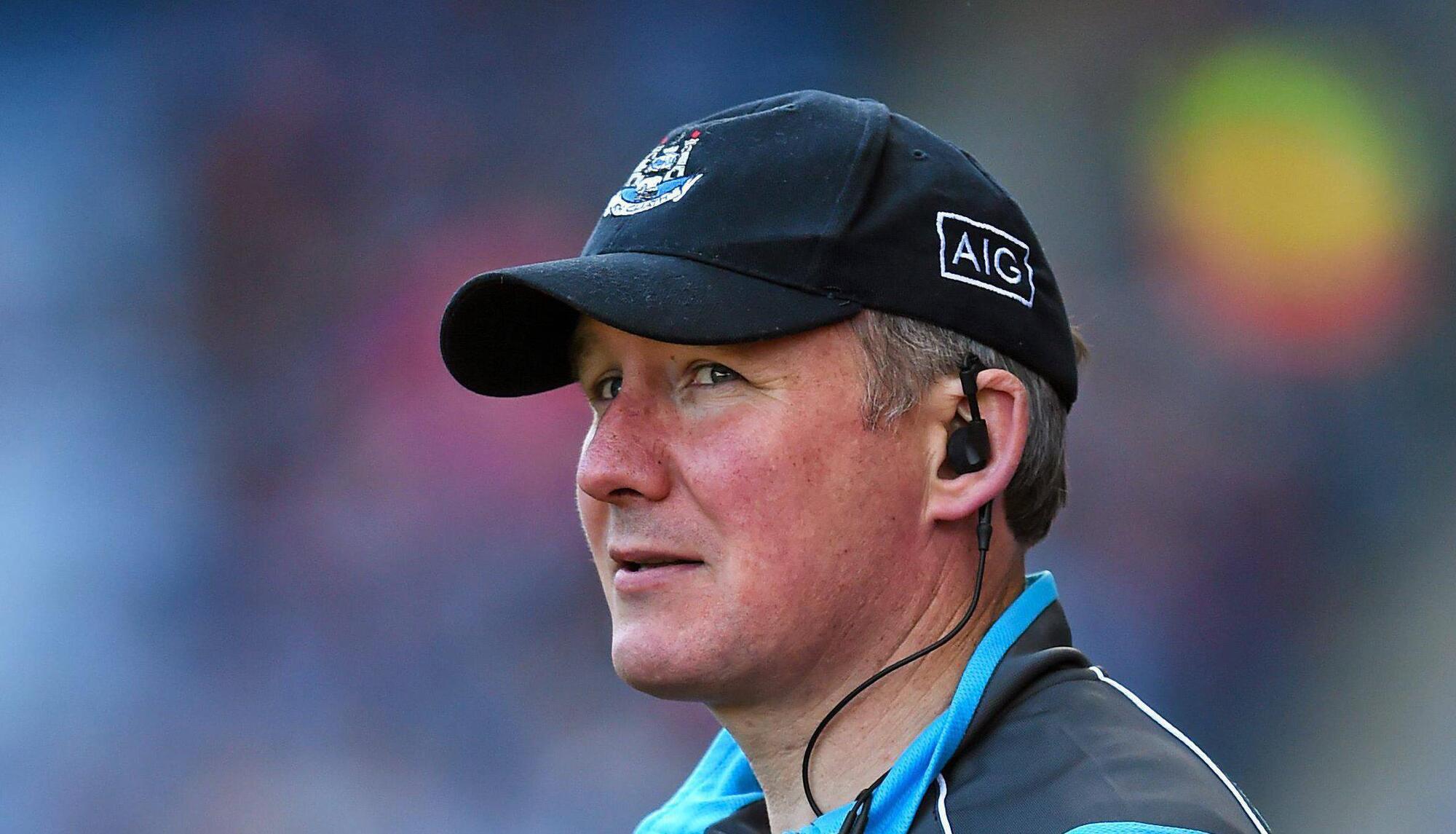
Jim Gavin
Jim Gavin has insisted that being 'a fan' was never part of his remit as Dublin manager.
The five-in-a-row winning boss cut a notoriously low profile figure on the sidelines when managing the Dubs for seven successful seasons between 2013 and 2019.

Speaking to The Sports Chronicle to promote the Leaders Lounge virtual event on November 3, Gavin said his job wasn't to cheer or roar but to dispassionately scan 'the battlefield of the game' and to 'observe' and to make decisions.
Gavin also opened up about his coaching philosophy and said it was crucial that his players never thought the team had reached its full potential, to keep them hungry.
"It's more important to me that the players understand that we were never the finished product," said Gavin. "In that way, you build resilience. When we reflect on a match, we always look at the opportunities for growth. What was our current reality? Never lose faith, but where can we improve? That continuum of growth builds resilience. Failure is only when you give up."
As for his typically emotionless state while looking on at huge games, Gavin said he needed 'to be present on the sideline'.
"I can't be thinking, 'If we lose this game we've lost five-in-a-row'," he said. "I'm watching every passage of play. I'm scanning the battlefield of the game. I observe. I'm making a decision. I action it. I test it. And I repeat that cycle.
"My role wasn't to be a fan. My role was to be their manager, to try to make the best decisions to enable those players be the best that they can be and to point and propel them towards that higher purpose that was more enduring than themselves."
Gavin also moved to debunk the myth that his players were forced to play to strict orders on the pitch.
"Some people might have looked at my teams and thought they were like robots in how they perform," he said. "But that's far from it. My role was to facilitate the creation of an environment and culture combined with their values and their efforts that would allow them to perform to their own highest standard, to allow them to express themselves on the field of play."
The Clondalkin man spoke about his time at cadet school and life in the Irish Army. "It was a tough experience," he said. "They break you down to build you back up again. At 18 years old, you're brought to a firing range with a rifle and ammunition and taught to shoot at a human silhouette. Essentially, you're being taught how to kill."