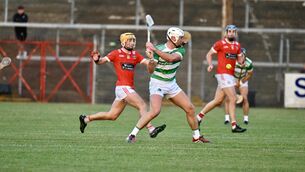
GAA's case for 500 strengthens if everyone wears masks, says Professor Mary Horgan
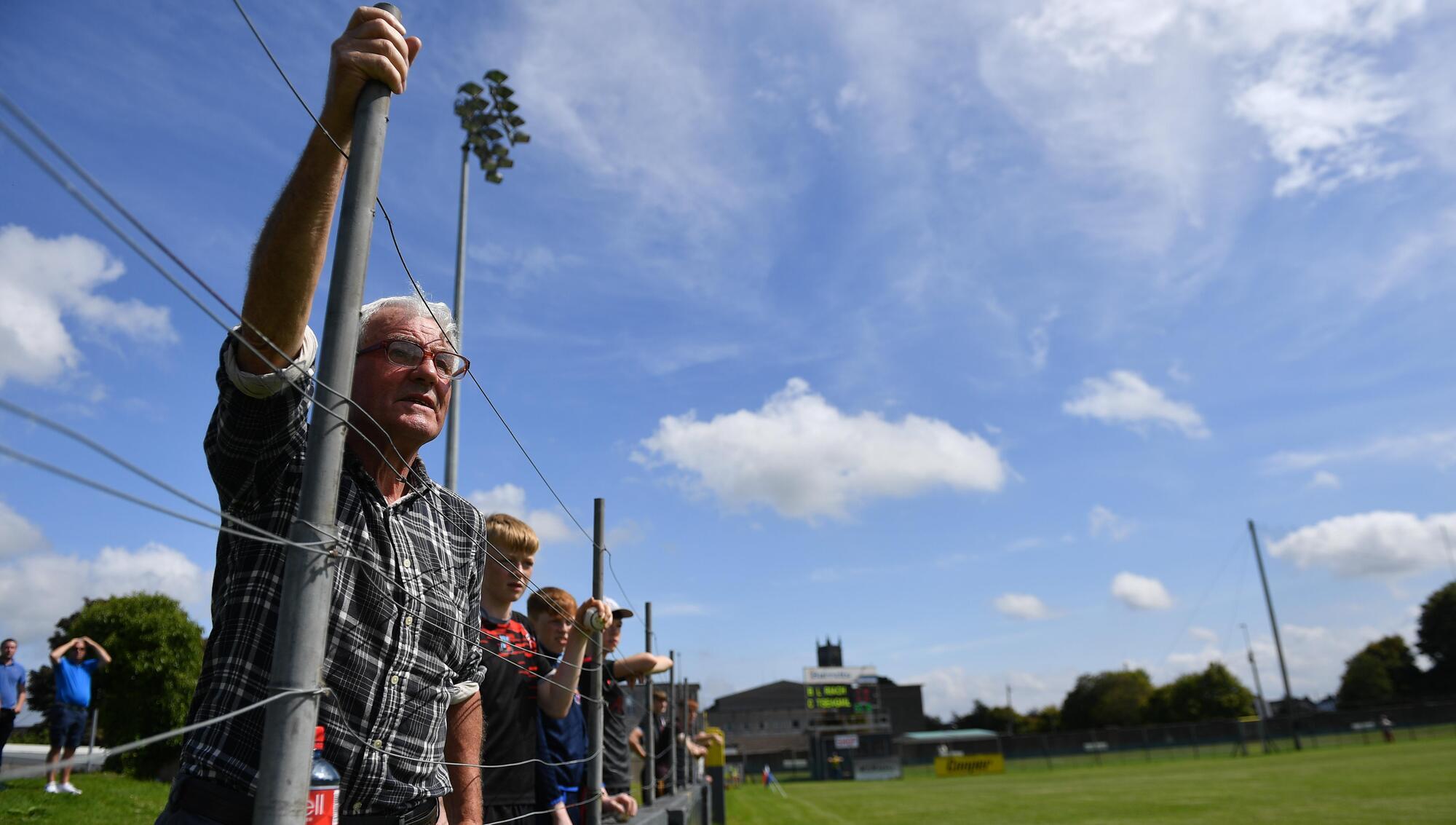
Cappataggle supporter Louis Culhane watches on during the Galway SHC match against Loughrea at Duggan Park in Ballinasloe yesterday. Photo by Ramsey Cardy/Sportsfile
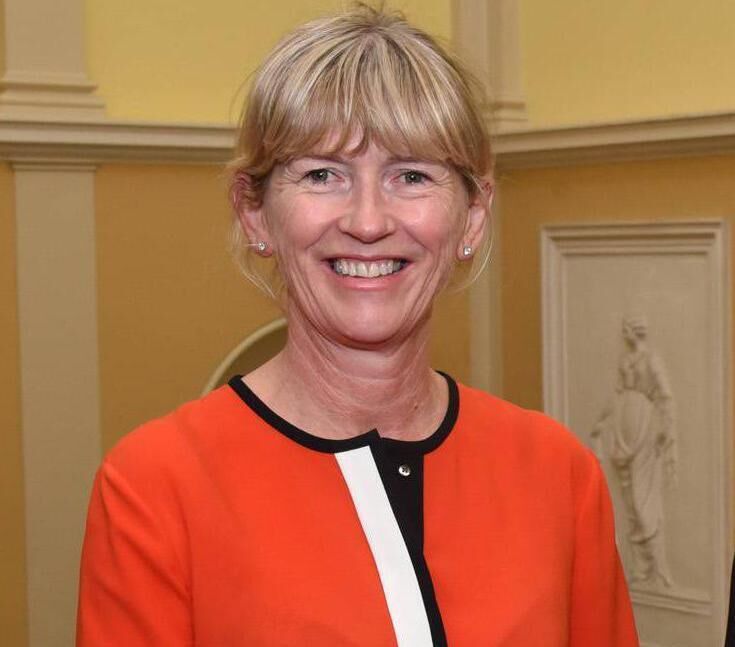
When the GAA came calling, Professor Mary Horgan wasn’t going to say no. Her late father Declan was steeped in the organisation. One of the founders of Bord na nÓg in Kerry and the Kerry Association in Dublin, he taught Latin and English in St Vincent’s in Dublin and The Green CBS in Tralee.
Growing up a Rockie with Austin Stacks before moving to Cork, Horgan’s love for Kerry GAA has endured and when the GAA’s Covid-19 advisory group requested her expertise in the field of infectious diseases she was glad to assist. The invitation came via World Rugby Chief Medical Officer Dr Éanna Falvey who put Dr Seán Moffatt, the chairperson of the Gaelic Athletic Medics Association, in touch with her.
Here the President of the Royal College of Physicians of Ireland discusses how the GAA have adapted to life with Covid-19 and what might lie ahead:
: It was felt that the group was almost ahead of the Government in terms of safety precautions with the idea of Covid-19 officers and questionnaires.
: First and foremost, we really feel sport is important for physical but also mental health. That goes for the players and the spectators. Given we had a strict lockdown for two months, the important thing was to have a plan. We were aware that the plan could change at any time but there was no point in being passive and waiting to see what happens. The GAA as did World Rugby had a very proactive plan with the proviso that it could change depending on what was rolled out from the Department of Health.
: Were you disappointed by Dr Ronan Glynn’s announcement to retain the crowd restrictions for outdoor events at 200 people?
: The country as a whole saw the roadmap as a gradual step to the new normal, which is living with Covid. I could understand where he was coming from because the priority is to get schools and colleges open and anything that would offset that because education as we know is so important… we were disappointed, the organisation as a whole, but also the country.
The GAA is obviously all outdoors and when we were developing the plan we avoided the use of the indoor facilities whether they were showers, dressing rooms etc. So it continues to be outdoors and there is a big difference between 500 people in Croke Park and 500 at a small outdoor setting. But I understand the logic. It’s currently a one-size-fits-all and I can understand that. It’s just hard to police that whether it’s size-wise or geographically and I would hope that the next few weeks would see the number increase to 500 because I think it’s important that people get out and watch and enjoy games and I’m sure players want to play in front of more people.
: Were you surprised that players, management, game officials and the media are included in the 200?
: I was because you would be presuming most of them would be on the pitch and the backroom staff on the sideline. I would hope that given it’s an outdoor sport and I presume everybody will end up wearing masks and use all the hygiene facilities that might help putting a strong case forward to expand the number of spectators to 500.
What the GAA has done really impressively - and I think this really stands out - is the development of the App and the questionnaire that everyone who’s involved in playing has to fill out. I think it’s up for 4 million health questionnaires that have been filled out now.
From a public health point of view, every time a parent or a player fills out that form it’s a reminder of checking symptoms so it’s become normal that you’re aware. That 4m figure shows the amount of public health education that is in the GAA.
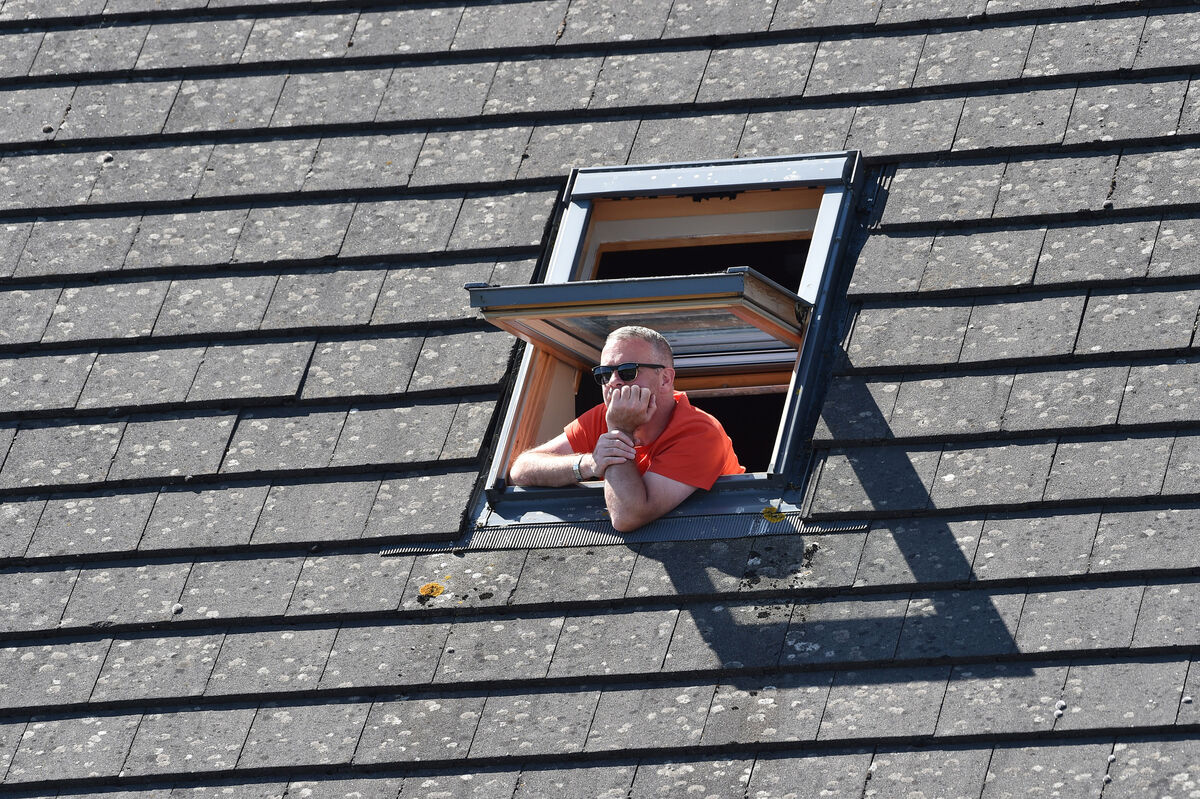
: What are your thoughts about Dr Glynn’s concerns about access and egress at games and people congregating at games?
: In the North of Ireland, the crowd limit has been set at 400 and it seems to be working okay. How well it has been working we’ll get more of an idea over the next while and it might form part of the evidence saying, ‘Look, you can actually double the numbers and the number of community Covid cases remains the same.’
From the access, egress point of view, the GAA has been exemplary in that area from Cúl Camps and parents. I would be confident they would be able to do the same as regards access and egress and encouraging families to stay together if they’re in the stadium. A lot of this is about common sense and obeying the rules and understanding that what you do affects others. I think the GAA have been getting that message out there.
Will it ever be perfect for any of us or any sporting organisation? Probably not but our knowledge of the pandemic is increasing all the time. Tracking the figures is important to knowing what’s happening and the numbers recently have been associated with clusters, very similar to May with the meat processing plants like in Fermoy. It’s the same clustering that’s happening so it’s understanding what the GAA can do to keep players and spectators as safe as possible and that’s stay with your families, avoid big crowds, avoid congregating and stay outdoors.
The definition of casual and close contacts in relation to sports has yet to be made by the National Public Health Emergency Team (NPHET) and you and the GAA’s Covid-19 group have interpreted it yourselves. Is that frustrating?
I understand that NPHET, at our request, are working on a document on what is 'close' and 'casual' contact. Our recommendation as doctors was the decisions on those would be entirely left to Public Health so in the event there was a player or a backroom staff member infected they would define what is and isn’t close and casual contact. Hopefully, that document is imminent. To be honest, they have had so many documents to do between return to school, colleges and so on so I do appreciate that they’re busy.
The closer we get to the flu season, what challenges does that present in controlling the virus and games taking place?
Looking at the southern hemisphere who are coming out of flu season, it’s interesting that their rates of flu have been reduced because people have less contact with one another. That is encouraging. Secondly, I would encourage everyone of any age to get the flu vaccine this year. Thirdly, this is a generalisation not just for sports but the coughs, more flu-like symptoms it’s important that you get tested rather than going off to work because we’re not too bad. We can’t do that this year. We need to make sure it’s not Covid and that we’re okay to go to the field of work or go to play or be a spectator.
The inter-county season starts in mid-October and there are suggestions of centralised venues. What advice will be given to help ensure the inter-season takes place?
There is more time to plan for that and a lot of that will be up to the organisation. Decisions will need to be made such as indoor facilities and if dressing rooms are used they will need to undergo the rigorous cleaning that is required. Likewise, when players travel to whatever venues and obviously a lot of that will be cross-county that will depend on the infection activity in certain locations. That is really hard to predict at the moment but it is something I have no doubt the GAA will monitor closely.
As a committee, we have said what’s paramount is the health of the players and spectators. That’s what everything was aligned to the Government’s guidelines. Keeping a close watching brief on what the infection activity is will influence the decisions that the organisation will make.

CONNECT WITH US TODAY



Be the first to know the latest news and updates