Henry Shefflin highlights danger of social media for young players
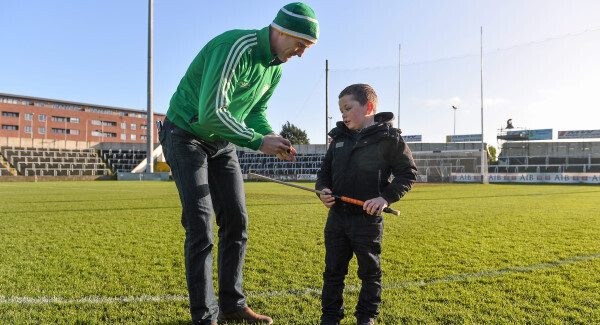
Henry Shefflin has described social media as “a dangerous place” for young GAA players.

Henry Shefflin highlights danger of social media for young players

Online abuse is becoming more and more prevalent in the GAA, with one Limerick hurler being singled out as ‘fat’ in the wake of their league quarter-final defeat to Dublin in March.

Cork hurler Damien Cahalane was also the subject of a barrage of online criticism following the county’s Munster semi-final loss to Waterford. Cahalane’s younger brother Conor highlighted two tweets from one account with a seemingly fake name which were directed at his sibling, adding: “This is a good example of the type of abuse that goes on in the GAA, putting a bad name on the game.”

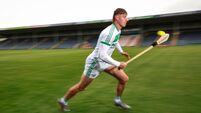
Retired Kilkenny hurler Shefflin says social media is a “minefield” that is best avoided by players.

“From a player’s point of view, they get criticism everywhere,” remarked the 10-time All-Ireland winning-hurler.

“For the younger generation, social media is just a minefield. A lot of us don’t understand it. It is a dangerous place for them. You can get anything said from anyone who you don’t know. It is difficult. I know people have struggled with it and got too much into it, like twitter and that. It is trying to find a balance.

“When somebody says it on the television or paper, you respect the people who give it out. You might not agree with it, but then you reflect on it and you might say to yourself, ‘they were probably right’.

“You try and turn it into a positive and go out and prove people wrong the next day,” he told guests at a Club Limerick breakfast morning.

Despite a silverware-laden career in the black and amber and, indeed, with his club, Ballyhale Shamrocks, Shefflin says his greatest success as a player was overcoming the four career threatening injuries.

He first suffered cruciate ligament damage in his knee during the 2007 All-Ireland final against Limerick and admits he struggled on the road to recovery as he was “lazy and not mentally strong”.

“Overcoming the four injuries made me who I became. I did my first cruciate at 27. I had played a lot of hurling at that stage and I thought I will take it a bit easy, take a bit of a break, come back later on [in 2008] and I’ll be fine. As it transpired, I wasn’t very mentally strong. I had that bit of a lazy attitude. I was going to physio and getting strapping every night. I was just being a bit soft on myself. It took me around 10 months to come around from that. I did my second cruciate in 2010. I was 30 years of age and people were starting to doubt me, ‘he’s too old, second series injury; will he come back from this’. I had learned so much from the first one I was just so driven, so mentally strong. I learned from the mistakes of the first injury. I was back ready to go after five to six months of the second injury.”

Shoulder surgery at the end of 2011 proved another test of character.

“The movement in my shoulder was limited and it was very frustrating. I was bottling up all my frustration. I found someone I could open up to about my issues, he was just a friend. I found that very beneficial to me. There is nothing to be gained from keeping your frustrations bottled up. With the foot injury then [at the end of 2012], I didn’t learn too much. I was being very foolish, I tried to rush back and I tried to force things. It was an absolute disaster for me. I had two stress fractures, broke a couple of pins in my foot. 2013 was an absolute disaster of a year for me.”

More in this section

Cookie Policy Privacy Policy Brand Safety FAQ Help Contact Us Terms and Conditions

© Examiner Echo Group Limited