Derek McGrath all for freedom within the structures
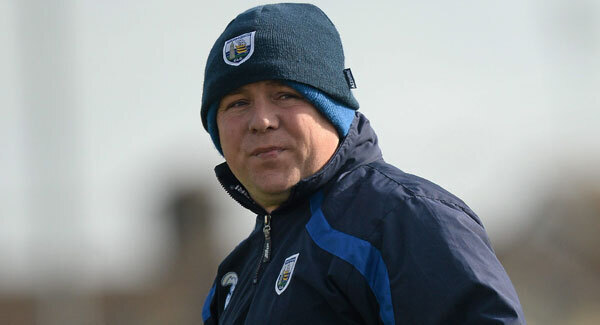
Given we then discussed the 1990 hurling final at length, itâs a charge any lawyer would be comfortable prosecuting (âI loved Joe Cooney. And Gerry McInerney, with the white boots.â)
It isnât a pose with McGrath. He points out that heâs been a Gaelsport addict since 1981. Thatâs just who he is. But the advantage of being steeped in the game means the Waterford boss picks up on the small print many donât see
âBefore Dublin played Cork in the All-Ireland semi-final two years ago theyâd had a system, but they changed it in the first half of that game whereby they were fairly conventional, fifteen on fifteen, and they changed back to the old system for the second half.
âWhether they pre-planned that change, or whether it was done on how the game was unfolding, I donât know.
âIf we lose on Sunday and the common theme after is that there was no plan B, or plan C?
âI think the reality is there is and we try to roll those out in games and training. Maybe people donât pick up on them, theyâre subtle things, but itâs imposing those plans without hamstringing fellas into being robotic. Itâs the decisions they make on the field. Itâs not PlayStation.â
This is a recurring theme with the De La Salle man, the need for freedom within the structure: âYouâd hope your players would adapt to the situation as they see it develop, that they canât be relying on a live feed coming down from an iPad saying James Barry has 12 possessions.
âYou have to allow your players to deal with situations as they see develop. Youâre not distancing yourself from blame but itâs the players who ultimately win the game.â
Heâs on record admiring some of the Tipp players as among the best whoâve ever played the game.
âThereâs a realisation that everybody has to be 100% on their A game for us to have a chance to win. I saw a vox pop recently when ten people were asked whoâd win the All-Ireland and nine went for Tipperary. We feel we have a chance.
âWeâre going there to play and weâre at ease as a management because we see first hand what the lads are putting into it in their preparation. Theyâre very honest - as are Tipperary - and we can live with what comes on the day, we can sleep easy because their effort is total.â
What about discontent in the camp, if someone isnât getting a game?
âThereâs no quibbles out of them because weâre winning games probably. There may be quibbles down the road but knowing those guys I donât think so. Theyâre happy to contribute to the team.
âPlus I think thereâs a general buy-in from everyone at every level of intercounty that itâs a twenty-man game - you donât see fellas coming off the field throwing away the helmet.
âThereâs thought put into every decision - a fella might be going reasonably well but you take him off to change things up.
âThat comes from management, and if youâre comfortable explaining decisions before or afterwards, then youâre comfortable. You have to think whether a lad can do better, have more of an impact, coming off the bench.
aterford were slow out of the blocks last time, but McGrath doesnât want his players fixated on that.
âI donât think we can over-concentrate on something because when you do there can be so much thought put into it that it becomes self-fulfilling, or players canât deal with it when it doesnât come off. We want to have a balance between enjoying what the day brings and being very hungry in our play. Thatâs all we want.
âIf you analyse the 2008 final which Dan (Shanahan) played in, the post-match analysis was âthe Waterford warm-up was terrible, they were dropping balls, blah blahâ.
âThey had two open nights and lost the run of themselves. They shouldnât have gone up on the Saturday.
âAll those things are retrospective.
âIf we hit the ground running on Sunday itâll be, âah, the warm-up was great, I knew by the warm-upâ. Itâs mad. Itâs more that the boys turned up ready for the game. If Tipp win itâll be because theyâre better, the same if we win.
âThe ability to change things slightly, to get a grip on the game - which is difficult against top opponents like Cork and Tipp - is pleasing but weâre also aware we donât need too many periods like that.
âYou only have to look at the seven-goal Munster final to see what Tipp can do on any given day.â
So, 1990. Would he have taken Jim Cashman off at half-time?
âHe had a great second half,â says McGrath. âTomas Mulcahy changed that game, he came to centre-forward, it was like he said to Tony Keady, âIâll take you downâ.
âIn the first half Eanna Ryan was whistled back and Galway had a goal disallowed .