Laois on a hiding to nothing after punishing schedule
For far too long the county was making headlines for all the wrong reasons. Club scuffles, county hammerings, suspensions. Agreeing on a nadir was an exercise in short-termism: another and worse moment was never too far away.
The best moments this last five or ten years more often than not have come with a local man at the helm. Niall Rigney was on the bridge when only a late Limerick recovery stood between them and an unlikely place in an All-Ireland quarter-final.
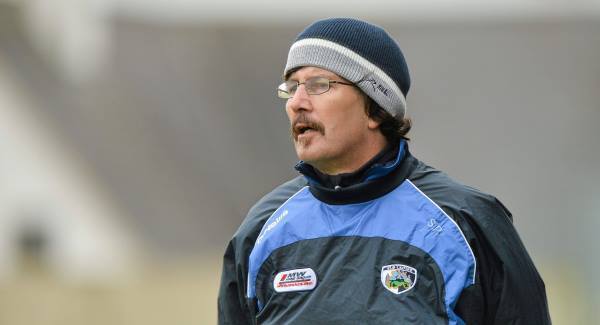
More recently it has been Seamus Plunkett who has performed CPR on the patient. The worst seems to be over for now but Laois’s busy schedule this last six weeks demonstrates just how far there is to go to return to the heights once held by their predecessors.
Today they take on Galway in the Leinster Championship on the back of a punishing, non-stop run of games. Thirty years ago, they faced Kilkenny after a similar schedule but one far more taxing given the nature of the opposition.
In 1984, the GAA marked their 100th anniversary by holding a one-off Centenary Cup in both codes. Run-off within four weeks between the league and championship, there was little surprise when Cork reached the hurling final.
Laois’s presence, by comparison, was a surprise if not a shock. This was an era when Laois would lose one Leinster final to Offaly and be deprived of two more decider appearances by their closest rivals in agonising circumstances. The 1984 league saw them defeat Tipperary and Kilkenny.
The latter win was Kilkenny’s first in a knockout game in three years but the Centenary Cup looked like it would be the moment when all the pieces would finally fit: Limerick, Tipperary and Galway all beaten by a single point on their way to the final.
Pat Critchley, in his book Hungry Hill wrote about the effect the run had in the county and buzz of leading a Laois team out for a national final at HQ. It was a buzz ruined by Cork, though Critchley remarked that the competition was only “small fry” for them.
Fifteen points separated the sides at the end but then this was a Cork team containing men such as Tom Cashman, Jimmy-Barry Murphy and John Fenton and one that would go on to claim the Munster and All-Ireland titles to boot.
“If a Cork player had shot from the top deck of the Nally Stand that [second] half it would have gone over the bar,” wrote Critchley.
The real killer came a week later when Kilkenny exacted revenge for their earlier league defeat with an eight-point win at Dr Cullen Park against a side driving on fumes and ruing the failure of their county board to seek a hiatus after their recent exertions.
Thirty years on and similar rumblings are being heard after a punishing schedule which saw Seamus ‘Cheddar’ Plunkett’s side play five times in the last six weeks and the net effect of all that has been all too visible of late.
Two weeks ago they made the unfamiliar trip to face London in Ruislip and had to stave off a late rally from their hosts to claim the points while Antrim inflicted their first defeat of the Leinster round robin system in Portlaoise last week.
The fatigue was evident among Plunkett’s players and it hasn’t been helped by the fact nine of his seniors were on duty last Wednesday night for their seven-point U21 provincial defeat to Dublin at Parnell Park.
Few expect Laois to do a job on Galway tomorrow but the county’s resurgence at all grades could do with all the momentum it can muster and that means an avoidance of any more heavy losses. The question is whether their recent workload will be a hindrance rather than a help.
“It’s hard to know,” said Plunkett. “You can only really say that after the game but there are a lot of fitness and conditioning experts who could give a definitive answer on playing these number of games and then expecting you to go out and perform.”

CONNECT WITH US TODAY



Be the first to know the latest news and updates