Stark warning for hurlers making adjustments to helmets
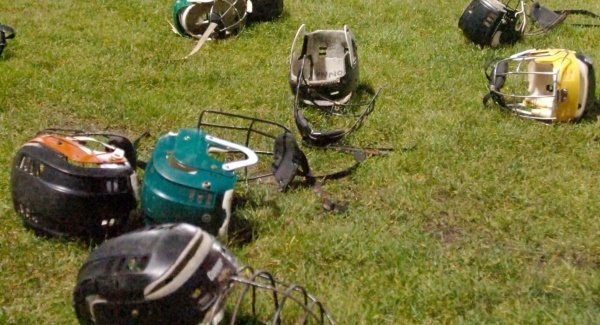
A Special Congress motion taken in November lifts the liability from the GAA and officials should a player wearing a modified helmet sustain an injury.
The rule states that for both games and training it is mandatory for hurlers to wear helmets with facial guards that meet the IS:355 or other replacement standard as laid out by the National Safety Authority of Ireland.
As the Waterford Crystal and Walsh Cup competitions commence this weekend, GAA director of player welfare and games administration Feargal McGill said referees won’t be policing helmets for modifications. However, he stressed it is incumbent on each player to ensure they are wearing a certified helmet.
“A motion was passed that will help take the liability away from the GAA and the referee but only where helmets have been altered from the original specification of the manufacturers.
“We could have a situation where the GAA itself, a team or an individual manager might have been liable if an injury occurred to a player whose helmet had been modified from the way it was intended by the manufacturers.
“The motion at Special Congress puts the responsibility on the individual. We sought legal advice on the matter after looking at cases in America such as ice hockey and lacrosse.
“All of the responsibility can’t be on the referee or somebody else. Some of it must be on the player if he is willing to change the design of a helmet that has passed safety regulations.”
McGill said the GAA are pleased with how the black card has operated in gaelic football.
He knows the new disciplinary measure will take time “to bed in” but stated it should hold no fear for footballers who genuinely want to play the ball.
“It’s very simple — anyone who wants to play football and play the ball has nothing to fear.”
The GAA expect word back from the AFL next month about plans for this year’s International Rules series in Australia.
“They are having their own internal discussions and will revert to us next month,” said McGill.
“They said they wanted to discuss options for it before speaking to us.”
CONNECT WITH US TODAY



Be the first to know the latest news and updates