Jack Anderson: Business first, sport second. Same as it ever was
AI can, at bewildering speed, help clubs collect, manage and analyse huge amounts of fan data. And the more fans you can target, the more money you can extract from them
Jack Anderson: Business first, sport second. Same as it ever was

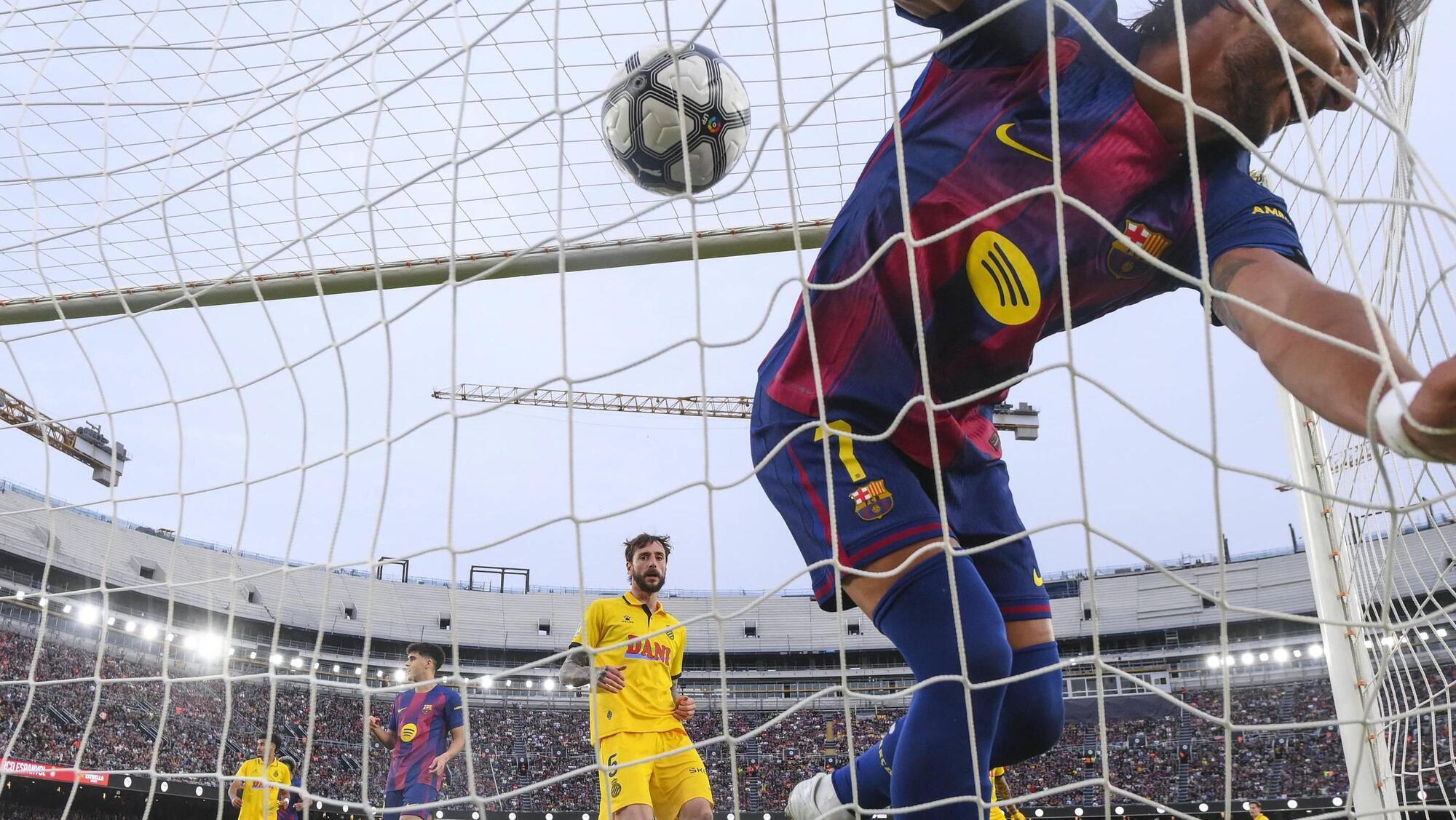
NET GAINS: Barcelona's Ferran Torres in action at the Spotify Camp Nou against Espanyol. Pic: David Ramos/Getty Images

About 20 years ago, Paul Stoddart, the F1 team owner of Minardi said simply, “I think Formula 1 is a business first and a sport second.”

The same can be said about professional sports generally. That is why many sports are so interested in AI because it can, at bewildering speed, help clubs collect, manage and analyse huge amounts of fan data. And the more fans you can target, the more money you can extract from them. Business first, sport second.


Unsurprisingly, the NFL has a sophisticated “fan data initiative” built by Amazon Web Services (AWS). The system provides a mind-boggling 90 billion rows of fan data scraped from thousands of daily data feeds (social media accounts etc) with over 250 individual data points per fan. The NFL knows a lot about its fans and wants to know more.

Football has also taken to AI. Bayern Munich is a prime example. The club noticed that 50% of its registered fans (about 400,000 in 2025) came from Germany but that 95% of its (200 million) social media followers came from Asia.

To close that gap (basically to tap into the lucrative Asia market) the club worked with SAP to develop a system that draws data from 52 platforms to generate what they call a “golden fan record” of individual followers.

This is turn allows Bayern to target supporters with personalised, global marketing campaigns selling them everything from merchandising to mobile phone plans to tickets to pre-season games. In August, Bayern will head off on their “10th Audi Summer Tour to Asia” playing games in South Korea and Hong Kong.

Another example is the sponsorship deal between Barcelona and Spotify. The original deal, worth €280 million to the club, ran into problems relating to fan data. Spotify invested in Barca not because it has 140,000 or so registered members but because the club claimed to have a global following of over 350 million supporters.

Spotify saw a golden record (sorry, had to) of potential subscribers to its platform by tapping into Barca’s fanbase, but Spotify soon realised that Barca’s claims were, ahem, slightly embellished and that the club only had a workable database on about 1% of its fans.

AI has since been put to work and that percentage has grown. The deal between Barca and Spotify has been recently renewed. You can now subscribe to Barca’s official half time play list.

Business first, sport second.

Apart from commercially exploiting supporters – apologies, apart from the growth opportunities to better enable clubs to reach out in an innovative personalised way to their loyal fans – AI’s use is sport is about efficiencies in scouting talent, umpiring, back-office administration, medical assessment etc.

In umpiring for example, last year was the first time that Wimbledon relied on AI line calling. But in all this, a modern-day John McEnroe shouting “you’re the pits” at an AI bot just doesn’t have the same ring to it. And overall, the projection is that sport as an industry is well placed to flourish in a world where AI will otherwise inundate our schools, workplaces and leisure time. This is because sporting contests remain elementally human.

We want to see humans compete against each other, not AI robotics or virtual sports. Last week in China, a humanoid robot beat the current world record in the half-marathon by seven minutes but most interest focussed on the racing robots that went rogue; crashing into barriers, disintegrating on the start line etc. The future use of such robots in war not sport is humanity’s bigger concern.

Apart from AI efficiencies, the revenue streams for sport remain largely based on media and broadcasting deals. And the growth there over the last few decades has been phenomenal. The International Olympic Committee (IOC) has long been an innovator here, first selling broadcasting rights in 1960 for €1billion.

The fastest humanoid robot, an H1 made by Honor, runs beside human runners at the start on its way to winning the Beijing Humanoid Half Marathon in Beijing. Pic: Kevin Frayer/Getty Images.

That year’s Rome Olympics went on to feature one of the most iconic events in TV sports broadcasting – Ethiopia’s Abebe Bikila running barefoot in torchlight down the Appian Way and finishing under the Arch of Constantine.

Now, nearly two thirds of the IOC’s Olympic revenue come from media rights. The broadcasting revenues from the Paris 2024 Games were €2.75 billion. US networks, who pay the bulk of the monies, effectively call the scheduling shots which is why for the LA 2028 Games, athletics will (in a reversal of the norm) take place in the first week, swimming in the second.

Similarly in the Premier League, the first major broadcasting deal with Sky in May 1992 was worth €340m over four years. The current deal is €2bn per year but with an extra €2.4bn per year in overseas rights.

If you understand how important media rights are in underwriting modern sport, then you’ll understand why so many sports are so concerned about illegal streaming and dodgy boxes.

The next step for sports media is the long awaited “Netflixication” of sport. Forget Fury or Jake Paul-like bum of the month fights or even Drive to Survive-type series and remember that in March, Netflix streamed the opening game of this year’s major league baseball season.

Apart from media rights, sports rely on revenue generated on game day and sponsorships. How supporters watch games has changed. Gen Z does not watch TV in a conventional, linear way; they prefer social media highlights and clips. Equally, what supporters want at a stadium has changed. If they are going to be tempted, in a cost-of- living crisis, to attend games regularly, they want good seating, amenities, transport links, Wi-Fi etc. Having a state-of-the-art stadium is not a guarantee of on-field success – Exhibit A, Tottenham – but it is increasingly becoming a commercial necessity.

The final way of underwriting a sport is private investment which for many clubs used to be “a local boy done good”. Now it’s more likely to be a private equity fund (see the All Blacks) or another commercial partner (see how Liberty has transformed FI into a global entertainment circus). The problem with private equity is that they always want something in return and there is no guarantee they’ll stay.

At the global level an example of this is what’s happening with LIV Golf. It seems that the Saudis are going to pull back from their investment. This is unsurprising. LIV has received about €4.3 billion of funding from Saudi Arabia’s Public Investment Fund (PIF) since 2021, incurring huge losses. Between 2022 and 2024, LIV’s UK entity alone reported more than €850m of cumulative losses.

Other sports beguiled by Saudi money (boxing, snooker etc) should realise that desert sands shift quickly. Saudi’s most recent PIF strategy hardly mentioned sport, apart from preparations for the FIFA World Cup in 2034.

In that year, the GAA will be 150 years old. In an era of rapid social and technological change for Ireland as elsewhere, the GAA needs a long-term strategic plan to think its way through the challenges ahead. The GAA’s mantra has always been sport first and business a distant second. It’s a laudable goal but is it sustainable?

x

More in this section

Sport

Newsletter

Latest news from the world of sport, along with the best in opinion from our outstanding team of sports writers. and reporters

Cookie Policy Privacy Policy Brand Safety FAQ Help Contact Us Terms and Conditions

© Examiner Echo Group Limited