‘Casual’ attitude does women’s sport a huge disservice
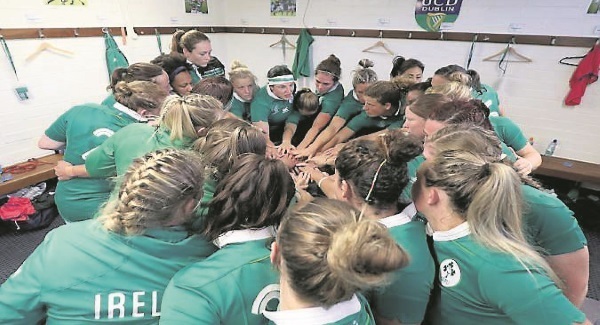
What is happening in Irish women’s rugby is a situation that wouldn’t be deemed permissible in the men’s game, writes Brendan O’Brien.
‘Casual’ attitude does women’s sport a huge disservice

The advert for a new women’s coach posted by the IRFU this week ran to a grand total of 468 words and, while the measly six-month, part-time term being offered was the first point to take the breath away, there was one other word that read like a particularly forceful punch to the gut.

The word was ‘casual’.

The Oxford English Dictionary has two definitions for that. ‘Not regular or permanent’, is one. The other is ‘relaxed and unconcerned’. Both seem apt given the union’s attitude towards a job that has been reduced in status from a full-time, three-year term to one that won’t even last as long as your average maternity cover.

And this for a position which, under the heading of roles and responsibilities, listed all manner of boxes to be ticked that go way beyond the actual coaching and managing of the team: From travel and accommodation to monthly reports, S&C programmes, skill and physical development, individual player performance reviews, and more besides.

Jenny Murphy, Ireland’s best player at the recent World Cup, earned a whole other layer of respect when she tweeted about the development being a “kick in the teeth”.

Another, less heralded post highlighted the ability of mere words to cut so deep. “Absolutely gutted myself,” she said. “The training and effort all the girls make and we get a ‘casual’ coach. Disheartening.”

Ireland reached the semi-final of the 2014 World Cup and won a Grand Slam while operating under Philip Doyle who held the role on a part-time basis. Everyone knew they had been fighting way above their weight. Even so, this regression is impossible to overstate.

It’s a situation that wouldn’t be deemed permissible in the men’s game and it means that, when the year in women’s sport is reflected upon, we will be contemplating a 12-month period in which the national soccer and rugby senior teams have been seen to be treated abysmally.

It’s just six months since the footballers threatened strike action over their treatment by the FAI. Having to change in public toilets at the airport and share tracksuits with a youths squad were only the headline complaints among many. Players were being treated “like fifth-class citizens, the dirt on the FAI’s shoe”, said representative Stuart Gilhooly at the time.

“So much progress made by other nations and we take 5 steps backwards,” Jenny Murphy tweeted this week.

That, basically, is women’s sport in a nutshell: One major gain, such as the crowd of 46,286 that attended the Ladies Football All-Ireland final in Croke Park last month, negated by a discouragement or overshadowed by a bitter struggle for the most basic of rights.

One step forward, two steps back. That’s fine if you’re learning how to dance but it has long gone past the stage when this sort of approach can be deemed acceptable. It seems time now to consider some of the more far-reaching measures taken elsewhere if this tilted picture is to be ever set straight.

Talk of quotas for women in sporting bodies was floated from within Irish government circles last year but far more appealing have been the examples set by two footballing bodies which share little in common other than their code of choice and a commitment to take larger chunks off the gender imbalance.

The Norwegian FA announced this week that their male and female international players are to be paid the same amounts for representing their countries while Lewes FC, a club in East Sussex, is to equalise not just the playing budgets for the genders but the funds dedicated to coaching, S&C and grassroots programmes too.

That sort of thinking needs to be widespread, not revolutionary. Think about it: Women’s sport has been playing catch-up for 150 years or more already. Some sports didn’t cater for females for a century or more after the codification of rules for the male half of the population. In some cases, the only regulations made with women in mind were those expressly forbidding their participation.

It’s time now for giant leaps, not just small steps.

Email: brendan.obrien@examiner.ie

Twitter: @byBrendanOBrien

More in this section

Sport

Newsletter

Sign up to our daily sports bulletin, delivered straight to your inbox at 5pm. Subscribers also receive an exclusive email from our sports desk editors every Friday evening looking forward to the weekend's sporting action.

Cookie Policy Privacy Policy Brand Safety FAQ Help Contact Us Terms and Conditions

© Examiner Echo Group Limited