Rio a missed opportunity to showcase shorter golf game
But I canât help wonder if the struggling sport has missed a golden opportunity.
You see, back in 2009, when the sport first won the right to be reintroduced to the Olympics, there was much said about the platform that the Games could provide in terms of connecting with the younger (18-35), big-spending generation.
But little has been done in that time period to address that issue.
So letâs look at some of the facts.
Given that the key revenue driver for major professional sport is television, it is easy to understand why one of the main criteria set down by the IOC was the guaranteed participation of the worldâs top golfers - as their global profile would greatly boost the revenue the IOC could generate from broadcasting rights.
On the other side, the Olympics offered a platform for golf to reach new audiences but it seems that no one spent the time to convince the top four players in the world of the merits of their participation.
Did the vested powers in the game honestly believe these players would simply be lured by the opportunity to represent their country and to participate for a gold medal in the Olympic Games? What about the bigger picture?
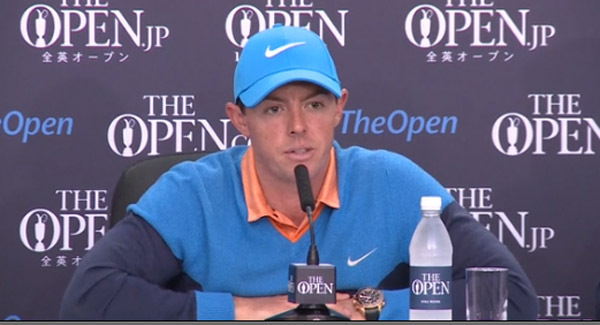
There is no bigger picture, no joined-up thinking, judging by the unwise comments made by Nikeâs golf ambassador, Rory McIlroy: âI didnât get into golf to try and grow the game. I got into golf to win championships.â
At a time when golfâs greatest challenge (like many sports) remains with arresting the worrying slide in grassroots participation, the Olympics was a chance for the worldâs top four players, with an average age of 26, to âconnectâ with their own generation, who primarily view the game as expensive, technically difficult and too time-consuming.
The stats donât lie. There has been a 30% plunge in participation by young American golfers over the past 20 years, with 90% of US golf spending coming from a core group of about 20 million older, committed golfers who are gradually ageing out of the game. If you need any more definitive evidence of golfâs decline, look at the three iconic brands â Nike, Adidas (who have put TaylorMade up for sale) and Golfsmith all of whom have admitted defeat in the golf market â all âtransitioningâ their business away from the manufacture of hardware equipment like golf clubs, balls and bags.
And now, with the high- profile absentees, there is little to suggest either the menâs or next weekâs ladies events will do anything to redefine the gameâs image and get Millennials excited about the game.
So what needs to be done?
The most fundamental change of direction has to come from the older, more traditional, administrators at the very top table. Understanding that the future well-being of the game lies with the younger generation they have to understand and embrace what makes Millennials tick. That will be the first step in configuring a new gaming experience without alienating the already âcommittedâ older generation.
Millennials are the âsocial generationâ, who always want to be connected, especially via their mobile devices to their social circles.
Whereas previous generations have been more interested in front-of-the-box product details, Millennials want to know more about the back-of-the-box contents and backstory and they are willing to pay a premium to do business with companies who they feel transparently line up with their life values.
This generation is not likely to be better off financially than their parents, so spending money in a positive environment counts.
One company, which has had great success with Millennials in transforming a perceived boring golfing experience into what younger people are overwhelmingly responding to is TopGolf.
Part nightclub, part restaurant, part lounge hangout, part recreational centre and part driving range, TopGolf provides the type of creative business model that suggests that the game of golf can indeed grow its base in the future.
With commercial brands increasingly shifting their advertising budgets from longer to shorter versions of sports, I firmly believe golf this week has missed an opportunity to roll-out a socially inclusive, shorter format game that placed a major emphasis on entertainment, brevity, shotmaking skills and commentary, to improve golfâs perception amongst a younger audience.
They should have been braver and learned from the commercially successful, but socially inclusive, roll-out of the abbreviated Americaâs Cup and T20 cricket business models in recent years and the Olympics would have been provided the perfect stage.
Instead of embracing change, it has instead elected to stay true to a proven but an increasingly out-of-date formula.
And golfâs immediate challenge now is to avoid being kicked out of the Games in the near future for failing to impress the Olympicsâ global audience.
Market factors will eventually dictate that. The question remains what damage will have been done to the game at a grassroots level by then?