GPA won’t take blueprint rejection lightly
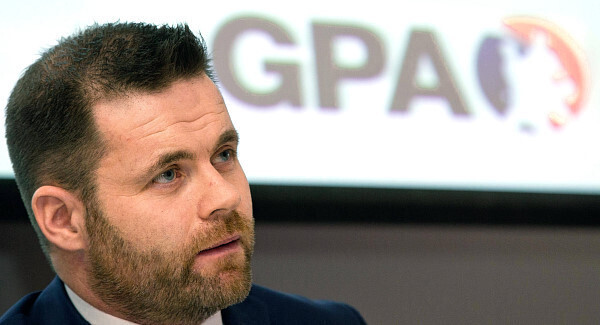
Rejection in any form is a wretch. The GPA are no strangers to it having been outside the GAA tent for so long. But denial is a relatively new experience now that they are inside it.

GPA won’t take blueprint rejection lightly

During their official recognition negotiations, the GAA turned down some of the demands but at least the “no” was said in the secrecy of the boardroom. Sadly for them, the same can’t be said for how their blueprint for the football championship, backed by 31 of 32 county panels, has been publicly consigned to the dustbin by GAA president Aogán Ó Fearghail.

Their structure would have seen a Champions League-style All-Ireland SFC on the completion of the provincial championships. Although staged over a more concentrated period, it would have entailed 40 more games. “We don’t want any more games at inter-county level so we’re not going to move to a championship system that does that,” Ó Fearghail said Saturday.


“A few proposals included round-robin or group stages but Central Council decided it won’t happen.”

The GPA’s system was never going to wash with Croke Park, not when there is such a concerted effort by officials to make more time for clubs. Besides, in their initial proposal the official players body had suggested the provincial competitions be disbanded. They included them in their final draft but only after realising their proposal hadn’t a snowball’s chance in hell of garnering any support otherwise.

Read into it what you will but news of said rejection broke on the same day the GPA were staging their AGM in Athlone and bidding farewell to chairman Dónal Óg Cusack, one of their most formidable officials. His replacement, Seamus Hickey, is articulate as he is intelligent but Cusack will leave a void. How they would appreciate his presence now.

On the basis of what GPA head of communications Seán Potts told the Irish Examiner today, it is not something they are going to take lightly: “The increase in the number of games we are proposing is to enhance the playing experience and this is what the players want. Those who are prepared to go on the record to oppose that need to realise they are opposing the views of the players.”

Not since they were recognised by the GAA in 2010 have the GPA been so critical of a GAA president. It marks arguably the lowest ebb in the organisations’ relationship since that significant treaty five years ago.

It also comes at a time when the GPA and at least the GAA’s CCCC haven’t seen eye-to-eye on what transpired in Fenway Park. Seven days ago, Potts claimed there would be punishments arising from the melee in the last Super 11s game. However, in this newspaper that same day GAA director general Páraic Duffy confirmed the game was sanctioned by the CCCC. It was later reported Dublin and Galway had been hit with proposed €5,000 fines.

All this conflict of opinion and not a mention of the GPA’s involvement in assisting the Mayo football and Galway hurling panels in their recent stand-offs with managers. Last week, GPA chief executive Dessie Farrell insisted it was not in their interest to be “rabble rousers”. He’s right: if the GPA aren’t there to offer help to their membership then their worth as a players’ union is greatly diminished.

However, they are overplaying their hand by suggesting future flashpoints could be avoided by the presence of a players’ representative vetting prospective management teams. Some squads may assume they have such a mandate but when there is no guarantee they will remain in the set-up the following season why should they be part-kingmakers? Consultation rather than examination would be more pragmatic. But those who suggest the GPA aren’t in touch with reality are wrong.

For one, their U20 alternative to the U21 All-Ireland championship is far more logical than having no grade between minor and senior. However, they represent a minority of players – a vital minority, of course – and when they use phrases like “enhanced amateurism” and describe their members as those “who are commercially harnessed for the wider benefit of the GAA” they are talking a language many in the association don’t or are yet to understand.

In his inauguration speech in February, Ó Fearghail made no secret of his opposition to “elites”. On the GPA website, they describe county footballers and hurlers as “elite amateur athletes”. Ó Fearghail confirmed: “The agreement with the GPA will continue for the next 10 months. During that time, we will be examining the protocols on how we deal with each other. That includes what areas we look after. All matters will be on the table.”

As of now, what’s on the menu doesn’t look like it will be all that palatable to the GPA.

Interprovincials still left out in the cold

After 15 years of commitment, there is strong speculation Martin Donnelly may be about to step down as sponsor of the interprovincial competitions. And who could blame him when so little has been done to promote this weekend’s games in Armagh, Down and Galway?

As of yesterday evening, there has been scant attempt to sell the games; just fixture details on the GAA website and each province announcing their football and hurling management teams.

Few if anyone, apart from the selectors, know what players will be lining out. Staging both competitions and the semi-finals and finals over the same weekend is actually something that might work if it weren’t for the lack of marketing. If players, as we’re so often told, want the competition to continue then the GPA should be getting behind it. If those GAA officials are serious in their endorsement of the matches they should realise simply staging them is not enough.

What Donnelly would give for the TV and radio campaign that preceded the International Rules game.

The 2016 master calendar released last week confirmed the interprovincials will take place again next December. But it is obvious they are nothing more than an after-thought for the powers-that-be. As of yesterday evening, there has been scant attempt to sell the games; just fixture details on the GAA website and each province announcing their football and hurling management teams.Only the Leinster football panel has been confirmed and there are no Dublin players on it as they are on their team holiday.

Demands on refs don’t add up

If teachers make for the best Gaelic footballers and hurlers, do accountants make the best referees?

David Coldrick is an actuary and that comes pretty damn close but the point is that a knack with numbers is becoming more advantageous particularly in football.

Next month, we are likely to see the introduction of a trial run for a ruling putting a limit on three hand-passes before the ball has to be kicked.

A common sense proposal by the playing rules committee, you might believe, but has anyone thought of those trying to enforce it?

On top of counting regulation time, goals, points, players, the five-second advantage rule, steps, hops, ticks, fouls, yellow cards, black cards, permanent substitutes (those who don’t have the benefit of a fourth official), blood substitutes, injured players, additional time and the half-time break the group now want to give referees something else to tot up.

On another note, our deepest sympathies to the family of widely- respected referee and official Peter Downey on his sudden passing on Friday. Peter was a forthright defender of his fellow men in black and had an acute awareness of the importance of authority on the field. His feedback to this column was always insightful and valued. May he rest in peace.

Email: john.fogarty@examiner.ie

More in this section

Sport

Newsletter

Latest news from the world of sport, along with the best in opinion from our outstanding team of sports writers. and reporters

Cookie Policy Privacy Policy Brand Safety FAQ Help Contact Us Terms and Conditions

© Examiner Echo Group Limited