Well prepared, skilful and dedicated — Waterford can go all the way
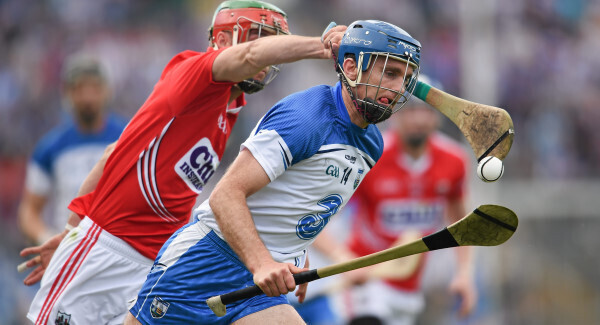

Last Sunday night before he was attacked by a fly on national television, Anthony Daly of this paper remarked that when Jake Dillon crashed home Waterford’s second goal in Thurles, belief would have coursed through his entire team, “This is our day, this is our year!”
Hearing him just say that triggered a realisation with us as well. You know what, it just might be.
Up to then, we couldn’t envisage it. Maybe in a couple of years’ time — as this column pointed out after Waterford’s league final win, every side from 1998 on that has won that competition has gone on to contest an All Ireland final within two seasons — but not right away. The GAA, hurling, sport just doesn’t seem to work that way.
Since Cork in ’66, mushrooms from that county or anywhere else don’t just spring overnight and win hurling All-Irelands. People might have written Cork off at the start of 1990 but that side featured nine players who’d won the All-Ireland in ’86. The kids of ’99 were heavily supplemented by the men who’d won the league in ’98.
The Limerick team of ’73 had contested the previous four league finals and barely lost the ’71 Munster final. Galway 1980 and Offaly ’81 each had major wins the year before.
In the mid-90s Offaly, Clare and Wexford delightfully surprised us all but in hindsight you could say Clare were visibly progressing from reaching a couple of Munster finals and a league final. Were there a backdoor in place in that time, Wexford would have contested an All Ireland quarter-final or two in the years previous to their big breakthrough; put it this way, a Galway win in 2015 rather than a Waterford one would closer approximate Wexford ’96.
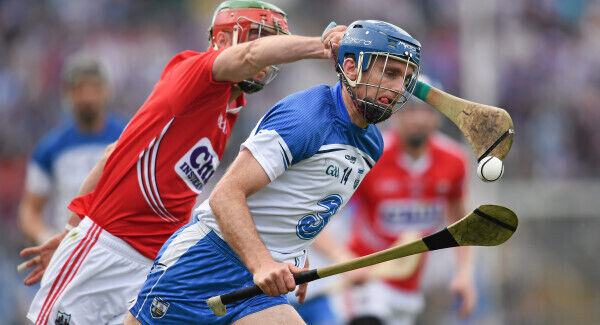
Derek McGrath’s Waterford have been coming from an even lower base. Last year the county was relegated, hammered in a Munster semi-final replay and knocked out of the championship for the second consecutive year in a second-round qualifier.
The only side to come from a similar place and win it all has been Clare in 2013.
And even then for all the irresistibility of their hurling from July onwards, there was a hint of fortune about Clare’s triumph, a sense they’d capitalised on a gap year for Kilkenny and Tipp. They didn’t purr through the spring and the Munster championship like Waterford have this year.
Quite simply, should Waterford go all the way this year, there hasn’t been a trajectory quite like it.
But now we’re realising, it’s possible. It’s not impossible.
The words ‘belief’ and ‘confidence’ are bandied about when it comes to sides looking to make the kind of breakthrough, without much understanding of what they mean or involve. Researchers in the area compare sports confidence to the legs of a table.
To survive under pressure, there needs to be certain sources, legs, of confidence in place, otherwise your table will wobble and give way.
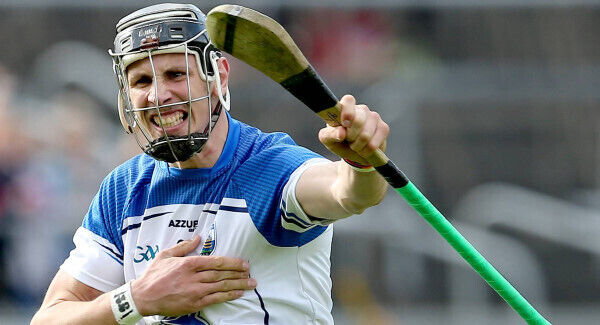
The most common source of confidence in sport is physical conditioning. Waterford have taken enormous confidence from the work they did during the winter under Fergal O’Brien and last Sunday physically overpowered Cork.
They also have that other fundamental leg — skill, the stickwork and striking, with Ger Loughnane in particular effusive about the deftness of their short, intricate passing.
Third, they’re making lifestyle choices that perhaps some of their predecessors in the noughties didn’t.
There are other sources, like what psychologists call ‘situational favourableness’, that in a given situation, they remain optimistic. After last Sunday’s rocky start, they remained calm, probably in the knowledge that they encountered an even trickier predicament when trailing Tipperary by seven points early on in the league final.
Perhaps the biggest source of confidence they have though is the coach’s style, and especially, his tactical approach. As Brian O’Driscoll said in his book, when all is said and done, the most fundamental aspect of a team is the manager’s playing philosophy and tactical outlook.
You look at all the breakthrough All-Ireland winning teams, the foundation was the tactical acumen and system of their manager. Armagh in 2002 with what was commonly known as the blanket defence. Tyrone in 2003 taking it to the next level with their swarm tackling — and attack. Mickey Harte throwing a curveball for all the big games, like with the Canavan substitution strategy in that year’s final, or bringing Joe McMahon back to full-back in the 2008 decider.
You can go on. Clare’s power game under Loughnane. Cork’s possession game in 2004. In 2006 Kerry go with Donaghy upfront, Kilkenny adopt the swarm tackle. Tipp in 2010 with all that movement upfront. In 2012 Donegal and McGuinness take it to another level. In 2013 Davy plays sweepers one day, then he doesn’t, then he throws the ultimate curveball in Shane O’Donnell.
You look at the teams who just missed out on All-Irelands. Waterford under Justin. Dublin under Pillar. Mayo throughout the years, even the last few. For all their achievements and progress and legs of confidence they diligently had in place, one was missing. They were a bit too orthodox , restricted in their tactical thinking and setup. As Donal Óg Cusack put it last Sunday night, champion teams abide by the principle the system is your friend; even when other legs are wobbling, it will steady you and see you through.
Maybe — probably — this year is still too soon for Waterford to win it all. But in McGrath they have that game-changer unafraid to throw a different curveball from the day before.
That element of surprise is why they have been the surprise package of 2015. To the point that if they were to go on and even win it this year, it now wouldn’t be a surprise at all.