Cork must play with physicality
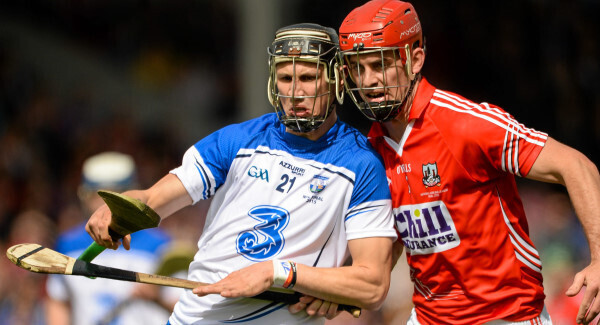
Waterford triumphed in the league final so how can Cork gain revenge this weekend?

Cork must play with physicality

High Intensity

There is a recurring theme in Cork’s last three league games. Starting slowly, they didn’t play with the required intensity in any game except for the last 20 minutes against Dublin. Whether it’s down to player mentality or a poor warm up is academic.


Whatever the problem, I assume that it has been identified and addressed in training. Cork need to start as they finished against Dublin, bringing a huge intensity, discipline and physical commitment to the occasion, while playing at a pace far removed from that on show in the league final.

It isn’t always possible to maintain the required level in one’s first championship game but high intensity and physicality from the start is a must for the Rebels. A huge increase in work rate is required with forwards funnelling back and tackling well ensuring only 50/50 deliveries, at best, enter their defensive zone.

Puck-Out Strategy

Waterford’s half-forwards drop deep setting up defensively for opposition puck-outs. Cork need to employ a puck-out strategy, worked out in training to counter that positioning.

Every puck by Anthony Nash must be a delivery setting up an attack and not just a restart. Cork defenders have to make themselves available for short, direct puck-outs and then move the ball from line to line, keeping possession. This requires a high work-rate and, crucially, good support running.

Nash in a recent interview on these pages stated that for puck-outs: “Teams don’t want you going short anymore. Teams want you going long.” Waterford want to play to their strengths and would welcome long “Cooley Mountain” type puck-out ball into defence. Every puck-out from Cork’s captain must find a red jersey.

Long-Range Scores

Cork half-backs hit an amount of unproductive ball in the league final into the Déise square. This time the half-backs must move the ball smartly to the half-forwards and then move into midfield, and beyond if needs be, to take the return.

Waterford’s extra men around the middle, hone in on the man in possession preventing him going forward. But Cork’s wing-forwards should play the ball back to the half-back line or Aidan Walsh, operating deep to the right and just in front of Ellis, as they move into midfield. All four are capable of shooting from long-range.

They should be encouraged to do so or alternatively run at the defenders. Direct running may draw fouls or overlap in support of position runners to pop passes to their forward colleagues. Long-range scores by Cork will force Waterford to rethink their defensive system and push up onto Cork’s half backs. Space will then open up for quicker deliveries to the Cork attack.

Stopping Kevin Moran

Cork need to be ruthless in all aspects of the game. Stopping Kevin Moran — who ran the show in the league final — is a priority.

Moran moves from behind his half-backline to anywhere in attack, in a free role. He is not required to mark a specific opponent. Once he gets up to full speed, he is almost impossible to stop, unless the correct blocking technique with outstretched arms is applied. Cork will have to stop him at source before he travels the first 10 metres and have his marker pick him up if he crosses the Cork 65.

The Rebels may have to give away frees against Moran, if far away from goal. But this will stop the play giving Cork time to pick up their nearest man and organise themselves defensively while guarding against quick frees.

Playing Terms

Waterford played on their terms last month. Cork must alter this tomorrow. Early on, Patrick Horgan could play as a double centre forward as he can score from outfield. Noel Connors normally man marks Horgan and he would be drawn out of his comfort zone if Cork adopt this strategy.

It is vital Cork get ahead or at least prevent Waterford from doing so in those early stages. Cork could deploy their half forward line deeper towards midfield and their inside line 40 or so metres from goal. This would condense the play, doing a Waterford on Waterford in the middle third and having half-backs and particularly Aidan Walsh coming from deep as support runners. Cork would allow the Waterford full-back line receive short puck-outs or loose balls inside the 20m line.

The Déise like to hold possession by short passing out of defence. By holding their ground or backing away from the defender in possession, Cork’s set-up would force Waterford to hit 50/50 ball, thereby losing some possession. Waterford coughed up goal chances against Tipp and Cork in the recent league when their tight defence was drawn out. If Cork deploy their forwards in this way, it will force the opposition defenders to man mark further out, leaving some space in behind that could be exploited with clever running.

More in this section

Sport

Newsletter

Latest news from the world of sport, along with the best in opinion from our outstanding team of sports writers. and reporters

Cookie Policy Privacy Policy Brand Safety FAQ Help Contact Us Terms and Conditions

© Examiner Echo Group Limited