Provinces make it all systems go for Joe
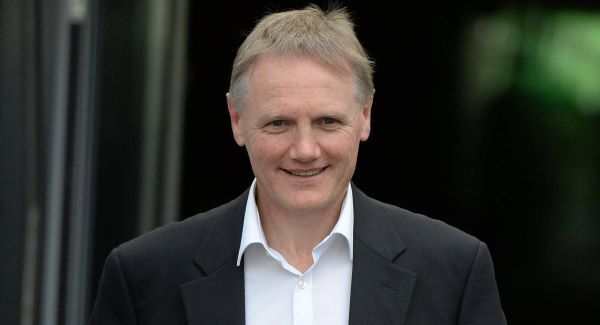
THE most satisfied man in Irish rugby last Sunday night was Joe Schmidt. On a weekend that saw the return to action of Rory Best, Conor Murray, Simon Zebo and Cian Healy, following hot on the heals of Chris Henry and Tommy O’Donnell, Ireland’s squad for the upcoming Six Nations — announced yesterday with all bar Zebo included — received a serious boost.

Provinces make it all systems go for Joe

Yet after the manner and significance of that heartbreaking defeat to New Zealand, I would venture to suggest it was the mental strength shown by Munster and Leinster on the road in highly demanding circumstances at Kingsholm and the Stade Pierre Antoine that pleased Schmidt the most. If Ireland want to make a serious impact on this season’s championship, they will have to negotiate difficult assignments in Twickenham and Stade de France respectively.

Last weekend was a good start, not that the players have given any serious thought to those encounters against England and France just yet. Before that can happen, one last crucial round of Heineken Cup games must be negotiated. The prospect of going into Irish camp with Munster, Ulster and Leinster all having made the knockout stages of the Heineken Cup will provide a massive boost to the squad. The only downside? A strong possibility that all three could be facing away quarter-finals when they head back to the provinces post international duty.


Leinster’s achievement last weekend deserves top billing given the quality of the opposition. Castres are the reigning French champions and just don’t countenance being beaten at home. Already this season they have hosted nine teams in the French championship, including second-placed Stade Francais, Toulon, Racing Metro and Perpignan, along with Northampton and Ospreys in the Heineken Cup. All went away defeated. Current Top 14 leaders Clermont Auvergne were the only side with anything tangible to show for their efforts, a hard fought 22-22 draw. When you look at that list, you begin to appreciate what Leinster achieved.

To do so after handing their hosts a 14-point lead inside the opening quarter, with their scrum dismantled in a manner that hasn’t been seen since their Heineken Cup semi-final defeat to Toulouse in 2010, was incredible.

The experience our young players are being exposed to on their travels around Europe will stand to them big time. Leinster’s highly-rated loose head prop Jack McGrath has enjoyed a charmed season to date with some really impressive performances en route to winning his first cap against Samoa last November.

On Sunday, however, he was given the type of excruciating examination that many a fledgling prop before him was subjected to when playing away in France. The 34-year-old Castres tight head Karena Wihongi is probably the most disruptive scrummager in the Top 14 and one of the principal reasons Castres won the much coveted Bouclier de Brennus last season.

McGrath will learn more from his 62 minutes locking shoulders with Wihongi than he would in six months against a scrummage machine in training. It is an essential part of the growing up process for any aspiring young prop. For confirmation, McGrath need only refer to Cian Healy — what a miraculous recovery he has made from his ankle injury — who suffered a similar fate in that semi-final defeat in 2010 when pitted against the gnarled Toulouse tight head Benoit Lecouls. He absorbed harsh lessons but, crucially, came back stronger. I have no doubt McGrath will do the same.

That is the true value of the Heineken Cup for a national coach and is crucial in accelerating the development of all aspiring internationals. Is it any wonder that England head coach Stuart Lancaster had already expressed his concerns and disappointment at the prospect of all his England players missing out on European action next season with the World Cup looming in September 2015?

James Cronin, Dave Kilcoyne, Martin Moore, Stephen Archer and McGrath have all benefited hugely from being thrown in at the deep end against gargantuan French and English packs over the last year and the national squad will reap the benefits of that when the World Cup comes around in 20 months.

One aspect that will concern Schmidt was the uncharacteristic defensive frailty of Munster and Leinster in the opening half of both their games. While much of Munster’s resistance was based on an outstanding scramble defence and a brilliant choke tackle, it will be a concern that they missed 18 tackles in total, 10 of those in the opening half alone. At least their second half effort lifted their overall success ratio in the tackle to 88%.

So much of Leinster’s success over the last five years has revolved around their defensive solidity that it must have had alarm bells ringing when they offered Castres so many line breaks in a fractious defensive effort that saw them miss an incredible 27 tackles in all.

That needs to be addressed in the limited preparatory time they have before Friday night’s encounter against their old sparring partners, the Ospreys. A five-day turnaround coupled with having to travel back from France late on Sunday night after such a physical and frenetic encounter has done them no favours. Rest and recovery will be more important than anything Leinster do on the training pitch this week.

While the mental fortitude displayed by Munster and Leinster last weekend was heartening, the challenge now is to try and replicate that for one more effort in what many (dangerously) view as straightforward home games. While Ospreys have nothing tangible to play for with just one Pool 1 win to date, Edinburgh still retain hopes of filling one of the three slots allocated for the quarter finals of the Amlin Challenge Cup and will target that.

They are enjoying a good run of form at the moment having won three of their last four games, recording decent wins over Perpignan, Leinster and Gloucester. They are unlikely to capitulate in the manner they did in last season’s Heineken Cup visit to Thomond Park when they conceded four tries and 33 unanswered points.

In many respects Munster’s performance last Saturday was their most complete of the season to date with their structure and execution in attack vastly improved on their efforts in Ravenhill the previous week. That Keith Earls try epitomised everything that Rob Penney has striven to achieve since his arrival from Canterbury and must have been a source of great personal satisfaction.

James Coughlan and Felix Jones were the only Munster players who didn’t get to handle the ball in the build up to Ian Keatley’s perfectly weighted grubber kick for Earls to dot down.

The decisions taken under pressure by several players whether to pass or carry into contact were spot on with Damien Varley’s cut out pass executed perfectly.

That is a skill the hooker has struggled with at times this season and therefore it will be especially gratifying for Penney to see the monotonous repetition of those skills in training bearing fruit. The challenge now is to repeat the exercise next Sunday.

x

More in this section

Sport

Newsletter

Latest news from the world of sport, along with the best in opinion from our outstanding team of sports writers. and reporters

Cookie Policy Privacy Policy Brand Safety FAQ Help Contact Us Terms and Conditions

© Examiner Echo Group Limited