Parasite risk in housed cattle
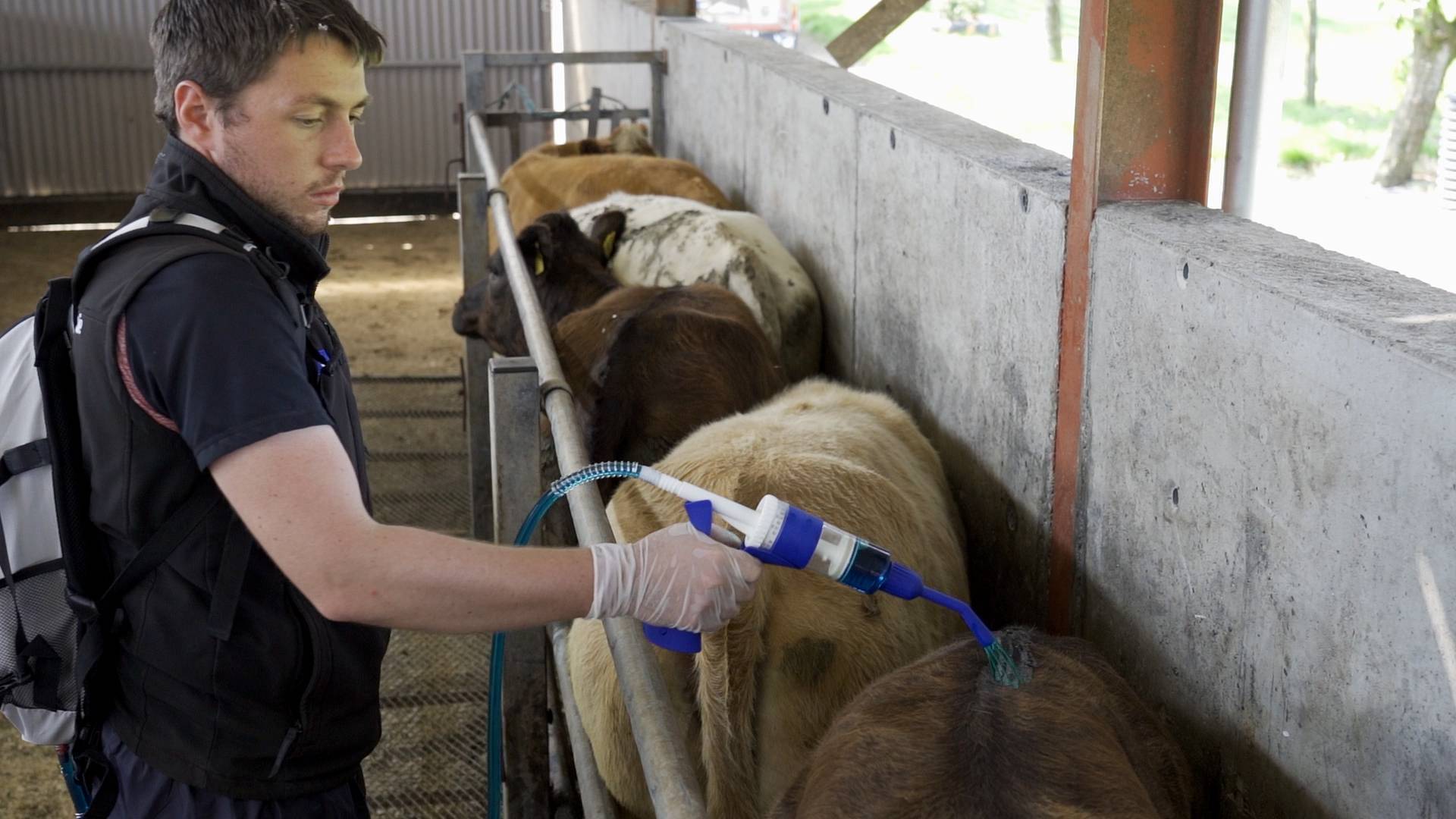
Norbrook has two closantel-based pour-on products marketed for cattle. Depending on what products you use, you may need to use an additional spot-on lice treatment.
HERD HEALTH SERIES: , veterinary adviser with Norbrook, offers essential advice on promoting herd health

Earlier this month, DAFM issued the annual liver fluke forecast based on meteorological data. Although much of the summer was dry, the risk remains moderate in much of the country, with a higher risk in northern and western counties. As the autumn weather really kicks in, farmers are bringing in cattle, and most will receive a fluke treatment during housing.
Climate plays a significant part in seasonal fluke levels due to the importance of an intermediate host, a tiny mud snail that is essential for the fluke lifecycle. Cattle are at greatest risk of liver fluke infection from late summer or early autumn. Once ingested, fluke larvae mature inside the cattle for around 3 months before reaching the egg-laying stage.
Cattle do not develop immunity to liver fluke and the resulting damage to the liver and bile ducts can cause permanent scarring resulting in reduced and slower liveweight gain and poor carcase formation in growing cattle. The effect of subclinical liver fluke on breeding stock can also be significant, with studies showing reduced fertility, increased calving intervals and an increase in metabolic diseases post-calving and pre-disposition to Salmonella dublin infection.
Housing marks the end point of exposure to new fluke infection and is considered an ideal time to treat. Treatment not only addresses the current fluke burden but also helps to control future pasture contamination.
Your vet will prescribe based on an assessment of risk at herd level based on their knowledge of the farm, its history, management practices and diagnostics. It’s worth remembering that timing is critical when using faecal egg counts as they only identify adult fluke infection.
There are a range of different flukicides on the market, and they are generally classified according to the stages of fluke they are effective against: early immature (1-5 weeks), late immature (6-9 weeks) and adult (10-12 weeks). For this reason, it is important that the most appropriate product is used at the correct time in the fluke season, your prescriber will be able to advise on what’s right for your farm.
Treatment options for milking cows are limited and vets will be able to advise as to the most practical product choice and timing for individual herds. As always, withdrawal periods should be strictly adhered to. Treatment of youngstock and heifers up the second half of pregnancy with alternative actives such as closantel may be used to reduce anthelmintic pressure in dairy herds and overall reliance on the actives that are licensed for the adult dairy cow.
Norbrook has two closantel-based pour-on products marketed for cattle; one stand-alone and one in combination with ivermectin. They are licensed for the treatment of late immature (from 7 weeks) and adult Fasciola hepatica (liver fluke) infestations in cattle. Treatment with either product should be timed approximately 7 weeks after cattle are housed to ensure the most effective fluke kill.
The combination product may be appropriate for cattle that are likely to have acquired a worm burden prior to housing and is also effective against biting and sucking lice. Depending on what products you use, you may need to use an additional spot-on lice treatment. Always seek advice from your prescriber to ensure you are not treating cattle more than strictly necessary.
Visit norbrook.com for more information.

BLACK FRIDAY
Already a subscriber? Sign in