New build, renovation or replacement? Seven window and door decisions to make before comparing quotes in Ireland
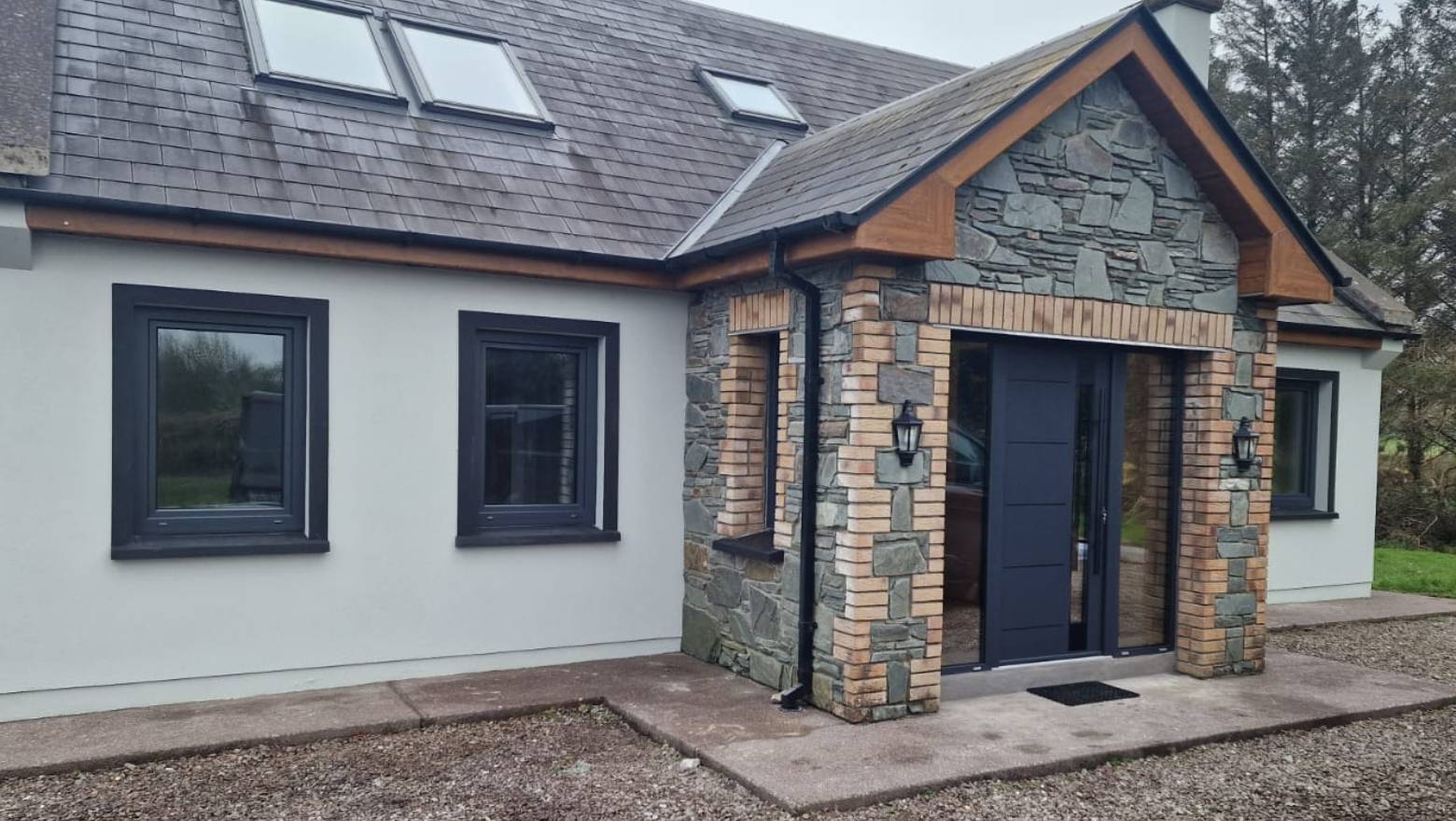
Fenbro project in Ireland
I got a text from a friend a few weeks ago. She is mid-renovation, and was in a state of mild window-induced panic.
“The price difference between the quotes is mad!” One was over twice the price of the other. The frame materials were different, but on paper it all looked fairly similar. Her question to me was: “Is there an enormous difference… or is it all kinda the same?” How was she supposed to know? Most of us buy windows once or twice in our lives, and suddenly we’re expected to be fluent in frame materials, glazing, and U-values, while trying to compare quotes that may not even cover the same things.
My short answer to my friend was: “No.” It’s not all the same. But the more expensive quote is not necessarily the right one either. Before you choose based on numbers, make these seven decisions first.
Installing a full set of windows in a new-build is a different job to replacing the windows in an existing house. And if you’re in a protected structure or an ACA, you may require additional planning or conservation consideration.
Pin down the scope before you ask for a price. Are you replacing everything, or just the worst offenders? Are you going for sliders or French doors? A vague brief will get you a vague quote.
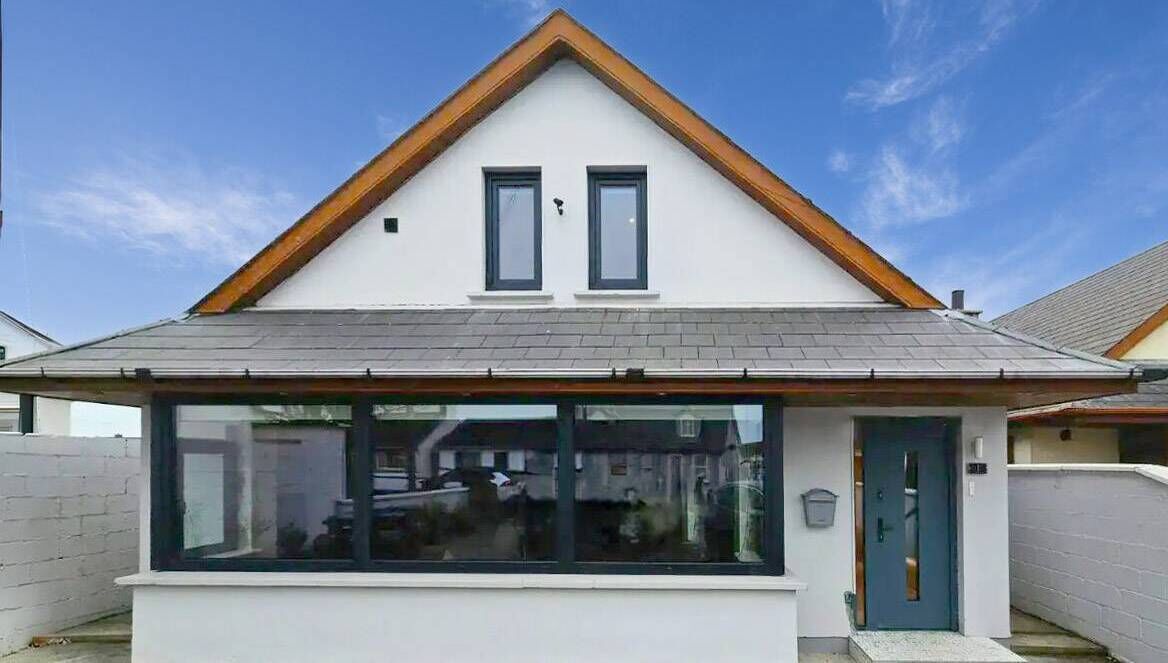
Much earlier than you’d think, is my short answer. Windows and doors crucially impact many of your design decisions. Lead times can vary - always ask how long it takes from signed order to delivery.
Fenbro has supplied windows and doors for projects across Ireland, particularly in Dublin, from replacements to full new-build packages. You can discuss your window and door project with them here.
The size and position of every opening affects structure, insulation, layout, lighting, sightlines, and furniture placement. A low window can stop you running units along a wall. Choosing French doors over a slider may dictate where the dining table goes. If you want a flush threshold to your patio, that has to be designed in from the very start.
Decisions are more practical here. Who will survey the opening? Can the work be done room-by-room if you’re still living in the home? This being Ireland, it’s also smart to ask what will happen if it starts lashing mid-fit.
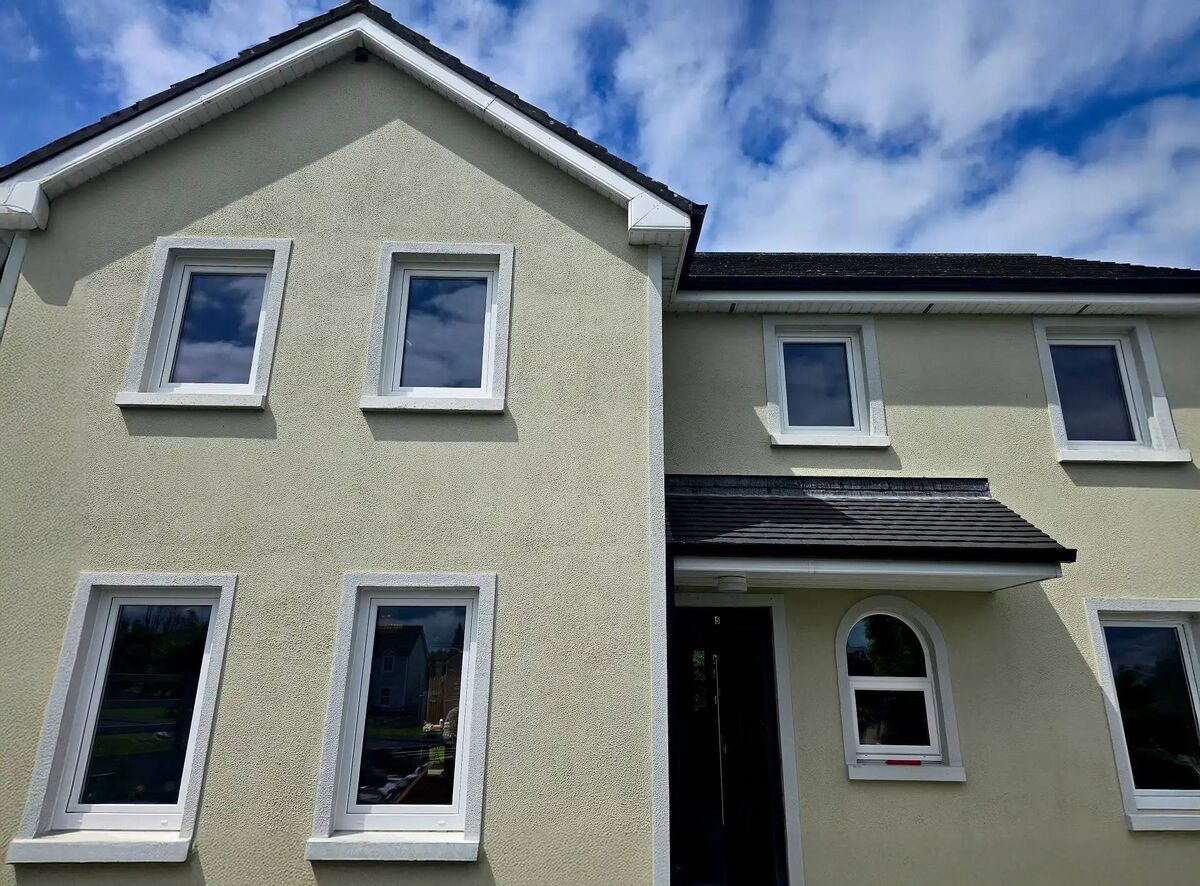
This was the heart of my friend’s question. Is there really an enormous difference between frame materials?
There is, but it’s not a simple ladder from “cheap” to “good”.
uPVC can offer strong thermal performance, requires little maintenance, and is generally the more budget-friendly option. Aluminium is the one to look at when durability and a crisp contemporary finish are the priority. Personally, I went with aluminium sliding doors in the back of my home. I was averse to uPVC at the time; my perception was that they were chunky and plasticky looking. But my mind has changed in recent years. Good quality uPVC that is well installed can be an excellent option, one I would happily choose for plenty of projects and put the savings elsewhere.
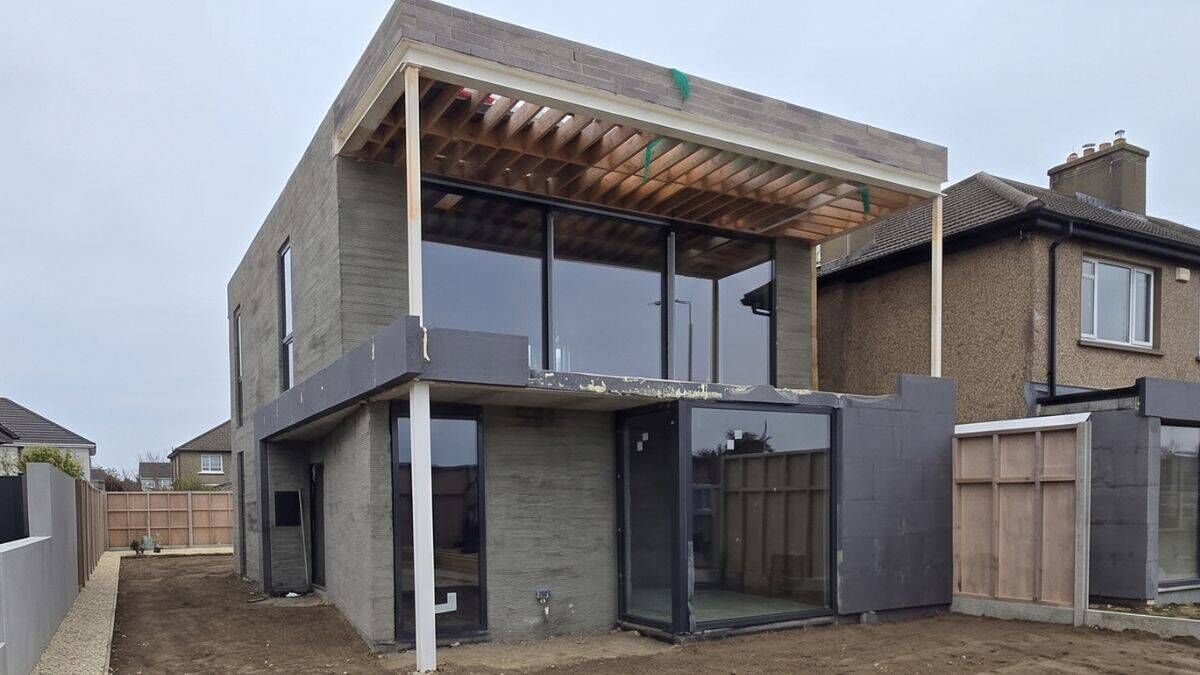
This is the technical part, so bear with me. “Double” or “triple” glazed is not enough information; you need to ask for the U-value of the whole window - the frame and the glass together. The lower the U-value, the less heat escapes. It’s not the only performance figure that matters; with a large opening, solar gain and summer overheating can matter just as much as winter heat loss.
In recent history, we as a nation have tended to opt for as much glass as possible. Think this through carefully, and consider the orientation and how exposed the opening is. The right glazing and frame for a sheltered north-facing bedroom may differ from a large south- or west-facing living room.
For homeowners in Dublin and other busy urban locations, acoustic comfort, ventilation, and security can be just as important as thermal performance.
Your decision is not simply which is most technically impressive, but which will perform best for your home.
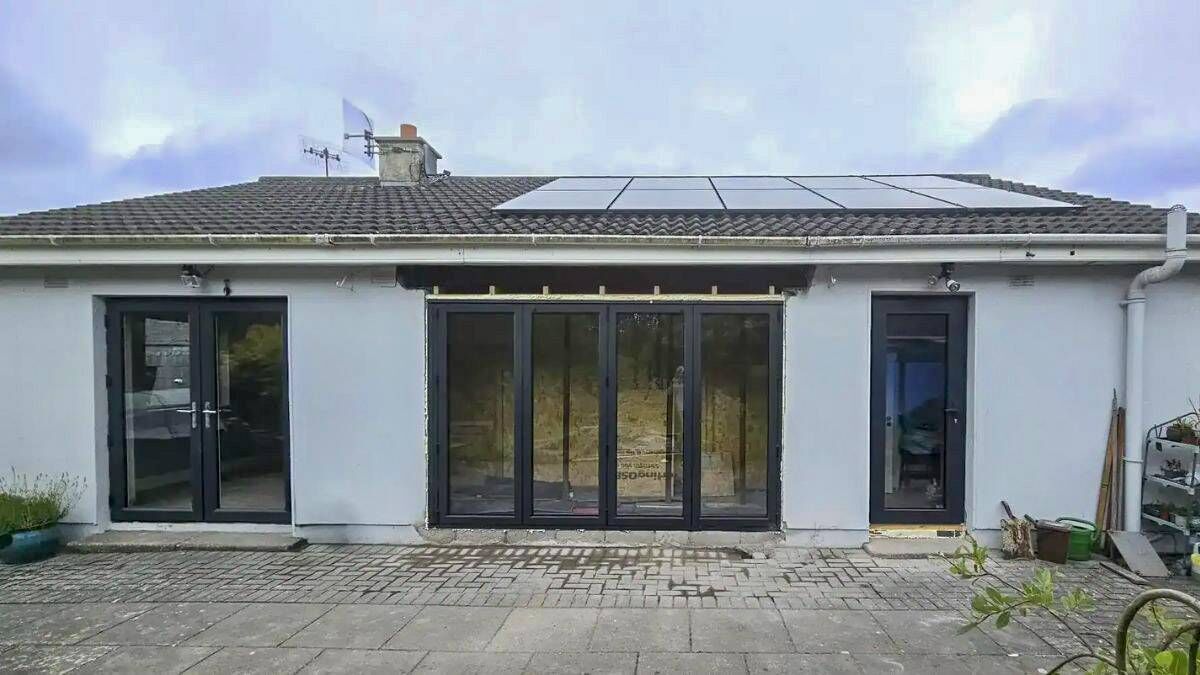
Generally, yes, especially on a new-build or major renovation. That doesn’t mean every window and door needs to use the same material or have exactly the same specification. Different openings may call for different solutions depending on their size, orientation, exposure, and use.
The important thing is to plan the overall window and door package as a cohesive whole. Consider how the frame depths, positions, heights, sightlines, and colours work together, as well as the performance required from each product, and how delivery timings will be coordinated.
Fenbro supplies made-to-measure uPVC and aluminium windows, entrance doors and sliding systems to homeowners across Ireland, allowing the complete package to be planned as one project. As the Fenbro team puts it: “For a new build or major renovation, we recommend treating the windows, front door, and sliding doors as one project. It makes it much easier to coordinate design, performance, colours, and timing.”
You can see Fenbro projects completed in Dublin here.
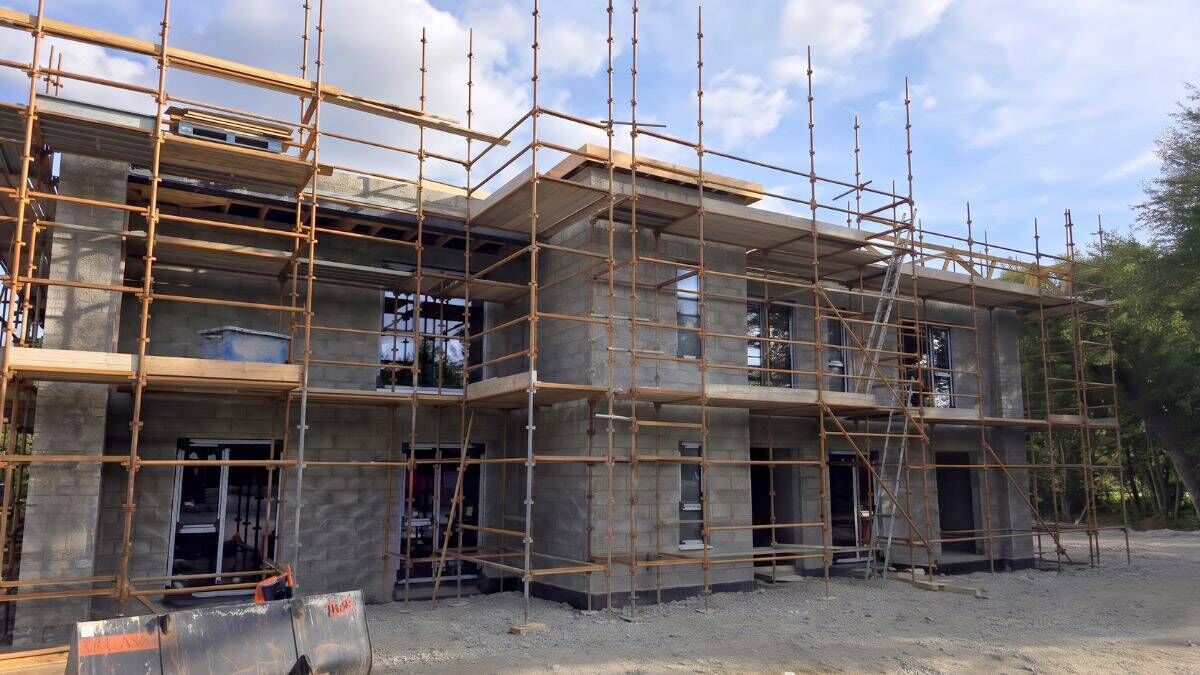
This is far more important than most people realise.
Before accepting any window quote, agree who is handling measurement, technical checks, order approval, sign-offs, delivery, removal of old windows, fitting, making good, disposal, warranty, and after-sales. Do not assume something is included - check and confirm, in writing.
Arrangements vary and can impact the price. Fenbro, for instance, supplies and delivers the products, while measuring and fitting are handled by an installer: either your own, or one of the independent fitting teams Fenbro can connect you with, under a separate agreement. You can discuss your window and door project with Fenbro early on to see what suits you.
Which brings us back to my friend’s conundrum: a lower quote doesn’t necessarily mean a lower overall cost. Go through quotes line by line.
Start with the specification: frame material, glazing, U-values, number and type of openings, colours (inside and outside), hardware, trickle vents. Then the scope: delivery, fitting, removal, making good, disposal. Finally, review lead times, warranties, and after-sales service. If one quote includes specific details and one doesn’t, you’re not comparing the same job.
Fenbro’s advice here is simple: “The biggest mistake we see is homeowners comparing only the final figure. Two quotations can look similar while covering very different specifications, glazing, delivery, and fitting arrangements.” Don’t compare glazing values alone - ask for the Uw value of the complete window, not just the Ug value of the glass.
If you’re hoping for an SEAI grant, do your homework separately and before you commit to anything. Eligibility and contractor requirements are set by the SEAI, not by suppliers, and you should always check the latest at SEAI.ie.
If you already have quotations, Fenbro can help you compare the specification and explain where the main differences come from before preparing its own proposal.
You may still decide that the cheaper quote is right for you. Or you may finally understand what the extra money buys, and decide it’s worth it. Either is a much better outcome than picking blindly on a figure.
If you’re planning a new-build, major renovation, or full-home replacement, you can explore Fenbro’s window and door services in Ireland, or request an initial quotation request an initial quotation tailored to your home.