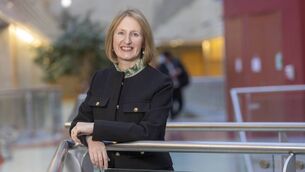
Cliona Murphy brings global executive experience to the boardroom
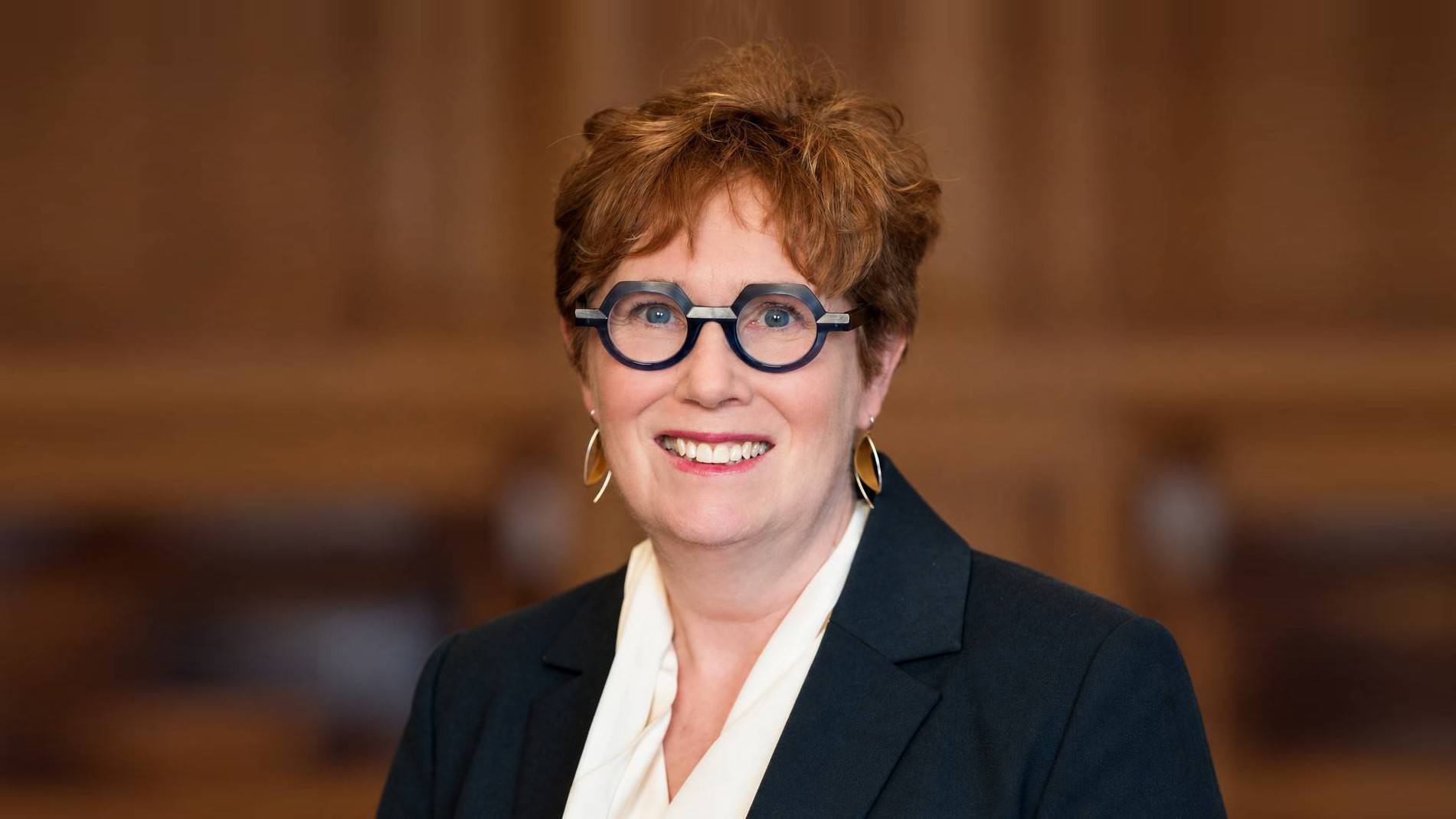
Cliona Murphy, IoD Ireland member and chartered director, was driven by a desire to give back and continue learning when she chose to give up her global leadership role with PepsiCo in June 2023 and enter a new chapter in her career.
IoD Ireland member and chartered director , CDir, reflects on her move from global executive leadership to non-executive roles, the importance of preparation and constructive challenge, and why continuous development matters for directors at every stage of their board career
A desire to give back and continue learning saw IoD Ireland member Cliona Murphy give up her global leadership role with PepsiCo in June 2023 to open a new career chapter as a non-executive director, advisor and adjunct professor at Cork University Business School.
“One of the things that really motivates me is learning,” she says. “I think that's a very good trait to have in a board director because you need to be curious; curious for today from a governance point of view and curious for tomorrow in terms of what risks are emerging or what opportunities might present themselves and how the organisation can best take advantage of them.”
Her career up until that point had taken her from a computer engineering degree in Trinity College Dublin to developing CFC-free refrigerant chemicals with former manufacturing giant ICI to crisp manufacturing in the English midlands and global R&D and leadership roles with PepsiCo in Europe and Asia before finally landing in Cork as vice president quality assurance responsible for assuring the quality of PepsiCo’s products in all categories and geographies across the globe.
She had acquired a taste for the non-executive director (NED) role when she joined the board of Teagasc.
“I have to say I learned a great deal,” she says, “particularly about staying at the right level and understanding how best to balance support and challenge. It’s a fantastic organisation with innovation, which I have a passion for, at its heart, and education and advisory work translating the innovation into practical application, I just loved it.”
The board of Science Foundation Ireland, the precursor to Research Ireland, with its focus on long-term research, offered the opportunity to continue to focus on innovation and long-term strategic growth and to consider how Ireland compares with other countries in research output.
When she finished at PepsiCo, she felt she had more to add at the non-executive level.
“I have the good fortune to have a lot of international experience working for a company like PepsiCo, seeing great strategy, leadership, innovation and good governance in action at a regional and global level. I wanted to take that and give back. I have my own advisory business, and am a mentor with the IDA on their leadership programmes and I’ve recently joined the strategic advisory team at Mérieux NutriSciences.”
"I’m currently on the board of Bord Bia with its long-term focus on brand building internationally, promoting Irish innovation overseas and on strong governance. I’m also on the board of the Irish Red Cross and the Irish Heritage Trust, both wonderful charities doing sterling work.”
Making the transition from a hands-on executive role to the ‘nose in, fingers out’ world of the non-executive director can be difficult. Murphy says the Institute of Directors Ireland’s Chartered Director Programme helped her sharpen her understanding of directors’ responsibilities, boardroom effectiveness and the balance between support and challenge.
“I found it very helpful in terms of concentrating the mind on directors’ responsibilities, what non-execs should pay attention to and tips for how to operate in the boardroom,” she says.
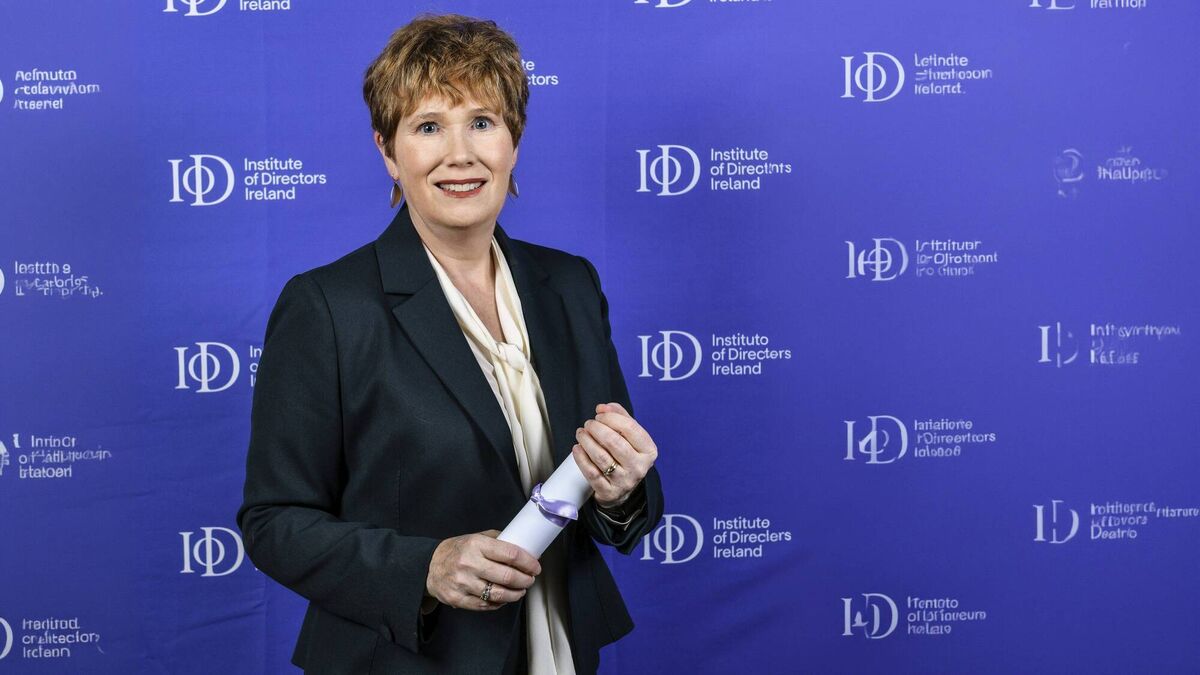
Preparation and focus are key to being an effective director, especially since you cannot and should not be involved in all the operational detail.
“I’ve found that guiding principles for directors are that you have to read up, show up and speak up," she said.
There’s real value in preparation, spending adequate time ahead of meetings reading board packs and considering when you show up, what are the points you really want to make where you really feel you can add value. And you have to be present and engaged at the meeting, you have to speak up, bringing knowledge and constructive challenge to bear.
“I think that approach has stood me in good stead. I might make several pages of notes when preparing for meetings and then think, where can I best contribute if I'm going to raise something? Why am I raising it? What's the purpose? I do think about that. Generally, it's about thinking ahead of time. Where can I add the best perspective?”
That brings up the question of where the line lies between what is appropriate and not for NEDs to get involved in. According to Murphy, that varies depending on the executive and the sectoral expertise of the directors.
“If it’s something that’s quite material to strategic direction, to a key governance issue or with a major project, then because we are collectively responsible, it’s important everyone understands,” she says. “In that case, sharing some experience, asking a question differently or summarising something in a different way can be very helpful. I draw on my executive experience of dealing with different nationalities and cultures where it was crucial to ensure common understanding."
“You have to be true to yourself and your values,” she continues. “Obviously, the best place to speak up is in the boardroom. If, for whatever reason, that's not appropriate, then it’s best to raise it with the chair. At the end of the day, you have to satisfy yourself that the organisation is going in the right direction and that whatever strategy the board intends to deliver is on track and whatever culture you aspire to prevails. You have to act, even when an issue is difficult, perhaps especially when an issue is difficult, directors have a responsibility to engage with it and help the organisation address it constructively.”
Sometimes it’s better to follow up on details outside of the meeting.
“A director may be curious about a topic or may have additional perspective, and yet it's too time consuming to go into detail at the board,” she explains. “In that case, offer to catch up afterwards but be mindful of the executives’ time.”
Her advice to would-be NEDs is to prepare well with appropriate training and be thoughtful about where they can make a meaningful contribution.
“Think carefully about what you can offer, what you are interested in, and where your experience could add value,” she advises. “Generally, people have much more to offer than they think. They might have been a senior executive in an organisation with valuable sectoral, leadership and functional experience to share. And it is important to understand the responsibilities involved and be realistic about the time commitment. And be curious, this is a wonderful way to learn and to contribute to organisations in a different way.”
Looking ahead, she is keen to continue contributing at board level, particularly in a commercial company in the FMCG or agri-food sectors, where her executive and governance experience can add value.
“I’d like to continue learning, have a positive impact on organisations, and keep growing and developing personally,” she says.
Her experience reflects the kind of professional development, peer learning and practical boardroom insight that IoD Ireland seeks to support among directors and senior leaders across Ireland.
Learn more on www.iodireland.ie