Tackling lameness in dairy cows
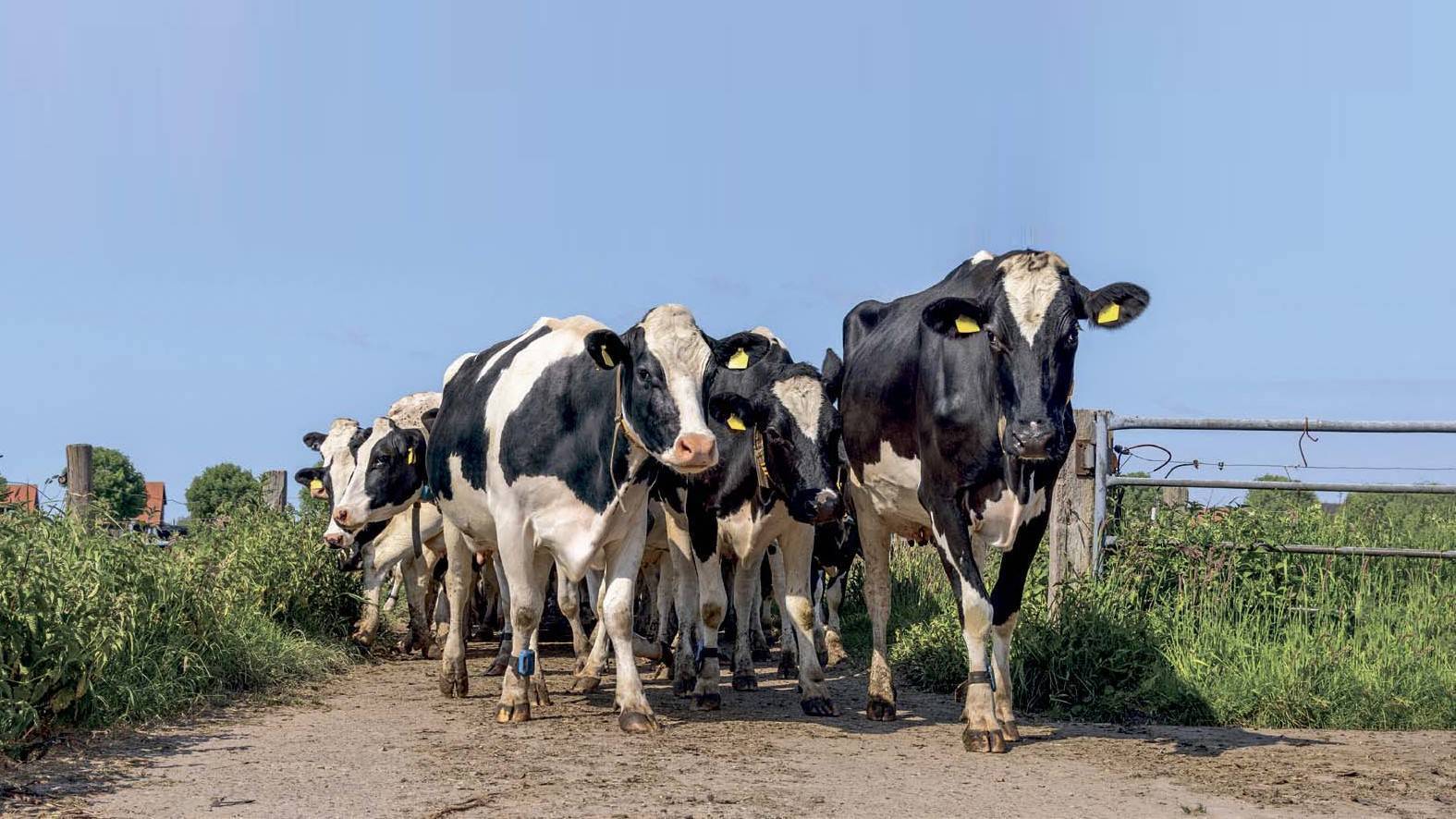
Protect your dairy herd against lameness: Avoid financial losses of around €300 per head arising from decreased milk production, reduced fertility, treatment costs and increased cull rates.
HERD HEALTH SERIES: , veterinary adviser with Norbrook, offers essential advice on promoting herd health

Lameness is a major problem for the Irish dairy industry with 10% of dairy cows being lame at any one time, rising to 30% for the worst affected herds. Financial losses due to lameness are significant, with an estimate of around €300 per head arising from decreased milk production, reduced fertility, treatment costs and increased cull rates.
Familiarity with the common conditions is essential if farmers are to successfully diagnose and treat their own lame cows. Being confident in basic lameness treatment means she is more likely to be dealt with promptly, preventing the problem becoming more serious and therefore difficult to cure.
Digital Dermatitis is the single most significant cause of lameness in dairy cows in Ireland since becoming established in the late 1980s. This is because Digital Dermatitis (DD), also known as Mortellaro, spreads easily from one cow to another and has the potential to become a herd-level problem within months.
DD is an infection of the skin and underlying tissues of the bulbs of the heels, almost always in the hind feet. The cause of the infection is a corkscrew shaped bacteria called Treponema. These bacteria can penetrate the skin of the heels and establish an area of damage and raw tissue which is extremely painful.
DD is spread from cow to cow via contact with slurry. The bacteria can survive in the slurry for 24 hours, so any cow which steps into that material runs the risk of contaminating her feet with the bacteria. If left undisturbed on the heel skin, these bacteria will multiply and penetrate further down into the tissue. Establishment of DD infection is more likely if exposure to moisture and dung have reduced the protective barriers of the skin surface, often due to slurry build-up in the cubicle house.
DD lesions progress in size and severity over a period of a few weeks to a couple of months. The area becomes very inflamed, and the cow will become increasingly lame as time goes on. Treatment of an active, painful DD lesion requires veterinary prescription of an antibiotic spray, applied directly to the lesion on 3 consecutive days.
At the herd level, once DD has been introduced, it becomes vital to limit its spread.
Frequent footbathing of cows with an effective disinfectant solution kills bacteria on the feet, reducing the likelihood of lesions forming. This should be done as frequently as possible but for the average herd twice weekly at both milkings should be the minimum. The gold standard for high infection pressure / active outbreaks is every milking, every day.
Hoofsure Endurance from Provita has been shown to be extremely effective when used as the footbath chemical of choice on farms affected by DD. A blend of organic acids and oils, Endurance kills the Treponeme bacteria by exposure to the low pH of the solution. This mechanism of action is resistant to the effects of dung contamination, meaning the footbath remains effective for up to 500 cow passes. Hoofsure Endurance is also safer for farm staff and the environment.
While formalin and copper sulphate are still widely used for footbathing, copper is toxic to the environment and formalin is an officially recognised carcinogen and extremely toxic to the respiratory tract. It is also readily inactivated by dung contamination, becoming increasingly ineffective as more cows pass through. Hoofsure Endurance provides the efficacy without the toxicity and should be considered for use on any farm where efforts to control DD are ongoing.
“Animal Health Ireland’s Hoof HealthCheck Programme supports farmers and veterinary practitioners with practical information and guidance on the prevention, identification and management of lameness in cattle. Norbrook and Provita are delighted to support two on-farm Hoof HealthCheck events this September, where we look forward to engaging with farmers and vets and discussing the practical challenges of lameness management on-farm.”
Visit norbrook.com for more information.