When it comes to supporting education for children with special needs, every little helps a lot
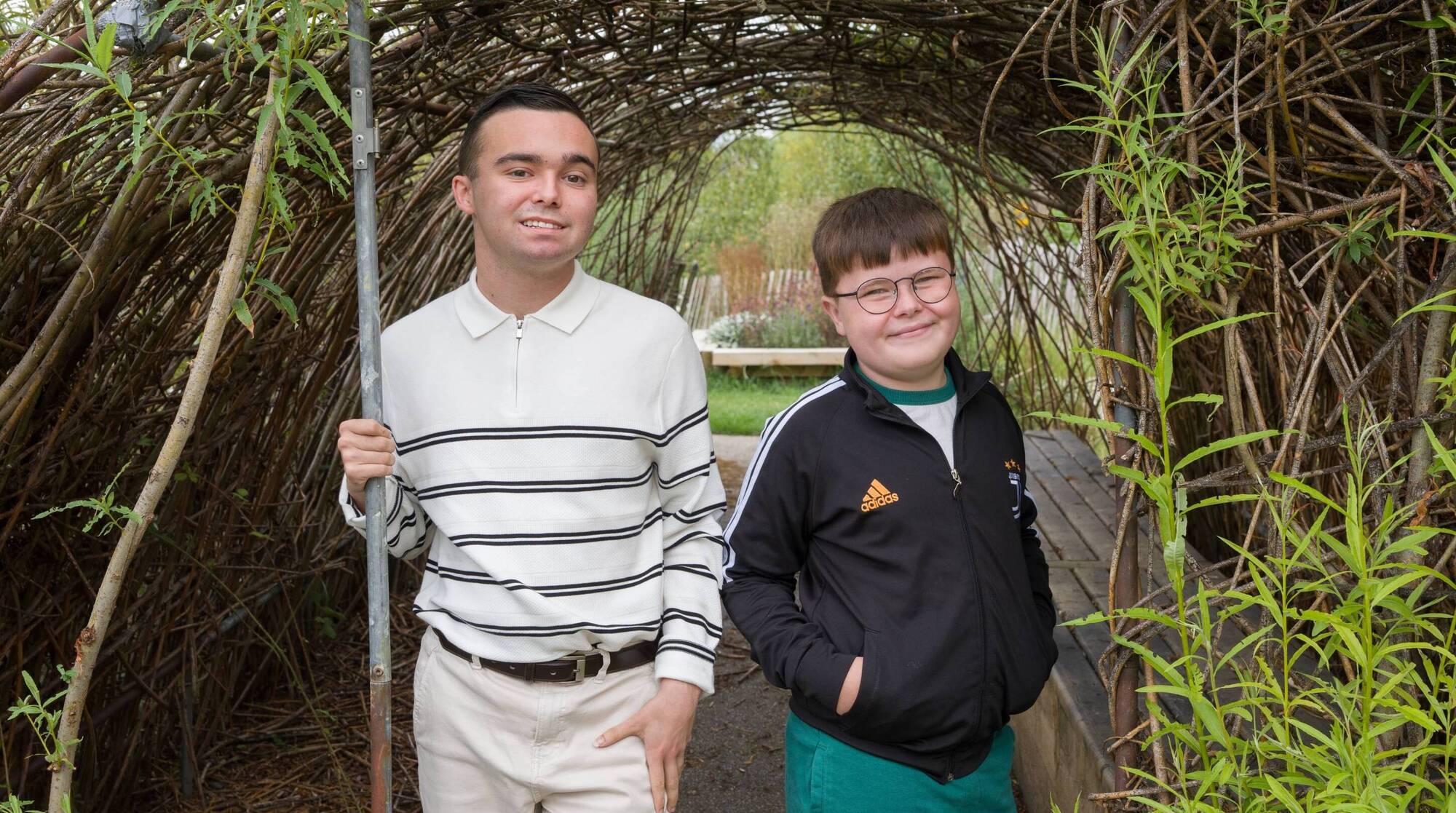
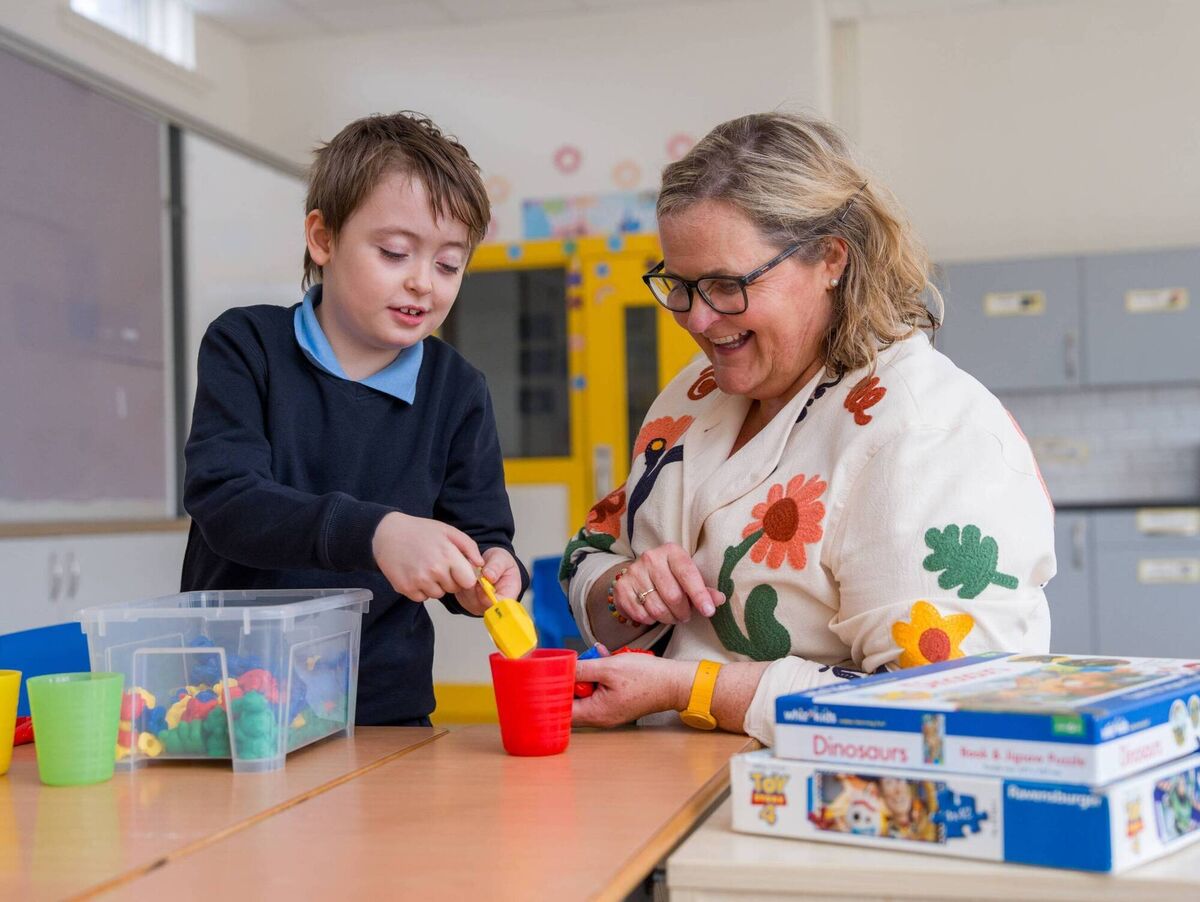
Robert and Darragh are students at Abacas School for Autistic Children with Complex Needs in Drogheda, Co Louth
Jacinta Walsh well remembers the day in 2001 when her then two-year-old son, Sam, was diagnosed as autistic. “I was completely blindsided,” she says. “It was an absolute shock.” At the time she was on maternity leave with her second son, and her husband was working in the USA. She scoured the internet for information on how best to help support Sam’s development.
“That was my way of dealing with it,” she says, “to find out as much as I could about the teaching methods of the time, getting books sent over from America.” But when he turned four and there were no suitable school places available locally to meet his needs, she knew she would need specialist training.
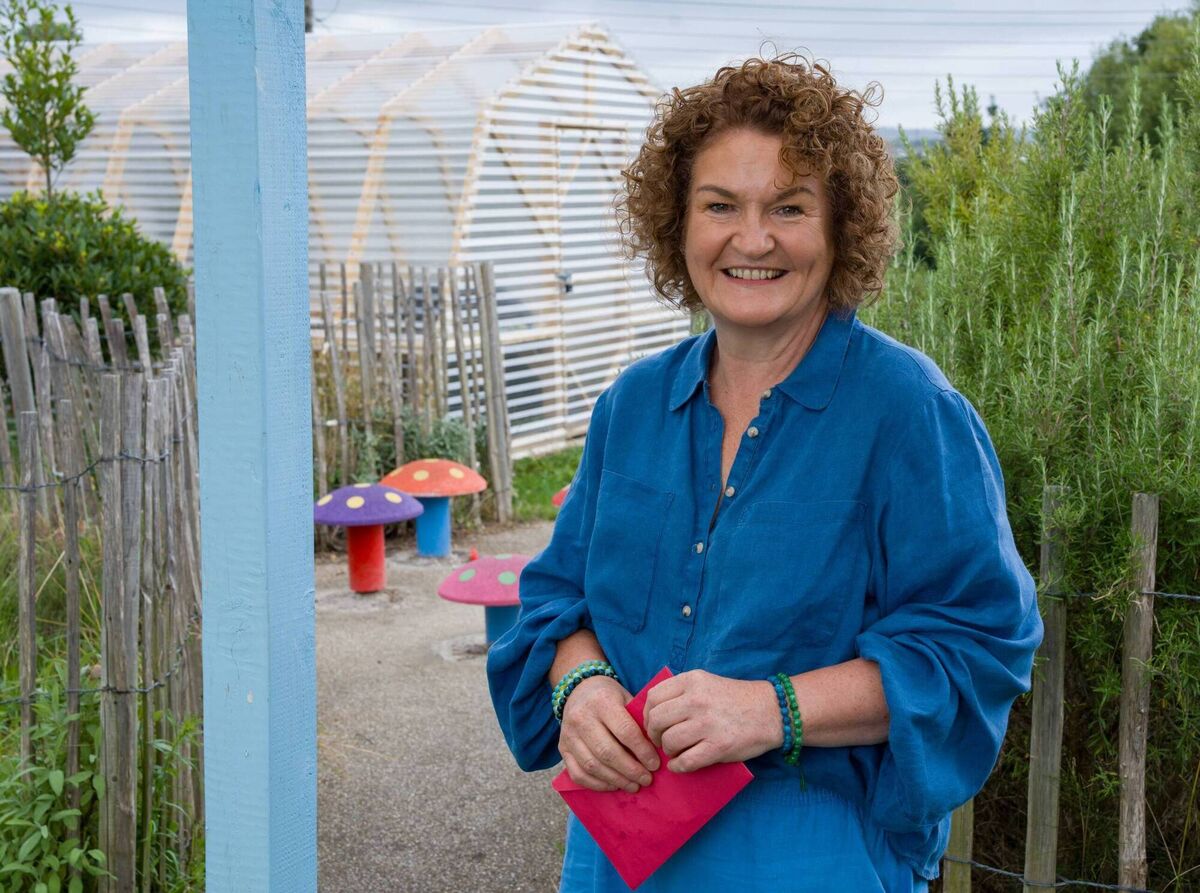
Reckoning she couldn’t be the only parent in the same boat, she organised a 10-week training course and advertised it in her local newspaper, with no idea what to expect.
As it happened, 18 parents signed up to join her, and the seeds of a powerful new community were planted. “By the end of it, we’d decided to form a group and open a school,” she says.
Abacas School for Autistic Children with Complex Needs, Drogheda opened its doors in 2003 in a three-bedroomed house rented and adapted for the purpose, funded by parents and supported by staff and parents who had previously set up a similar school in Kilbarrack, Co Dublin.
As demand grew, so did the school. In 2010 it received official recognition from the Department of Education as a special school for autistic children with complex needs. It outgrew its premises twice and ultimately moved to the site of a local boys’ primary school that had recently been vacated.
While its status and location changed, the school maintained its founding mission throughout: to transform the lives of children and their families across the region. Today, under the leadership of principal Michelle McHugh, a dedicated team of specialist teachers and special needs assistants provides a personalised education for 31 children, aged between four and 18, helping them develop communication, personal care, emotional regulation and social skills.
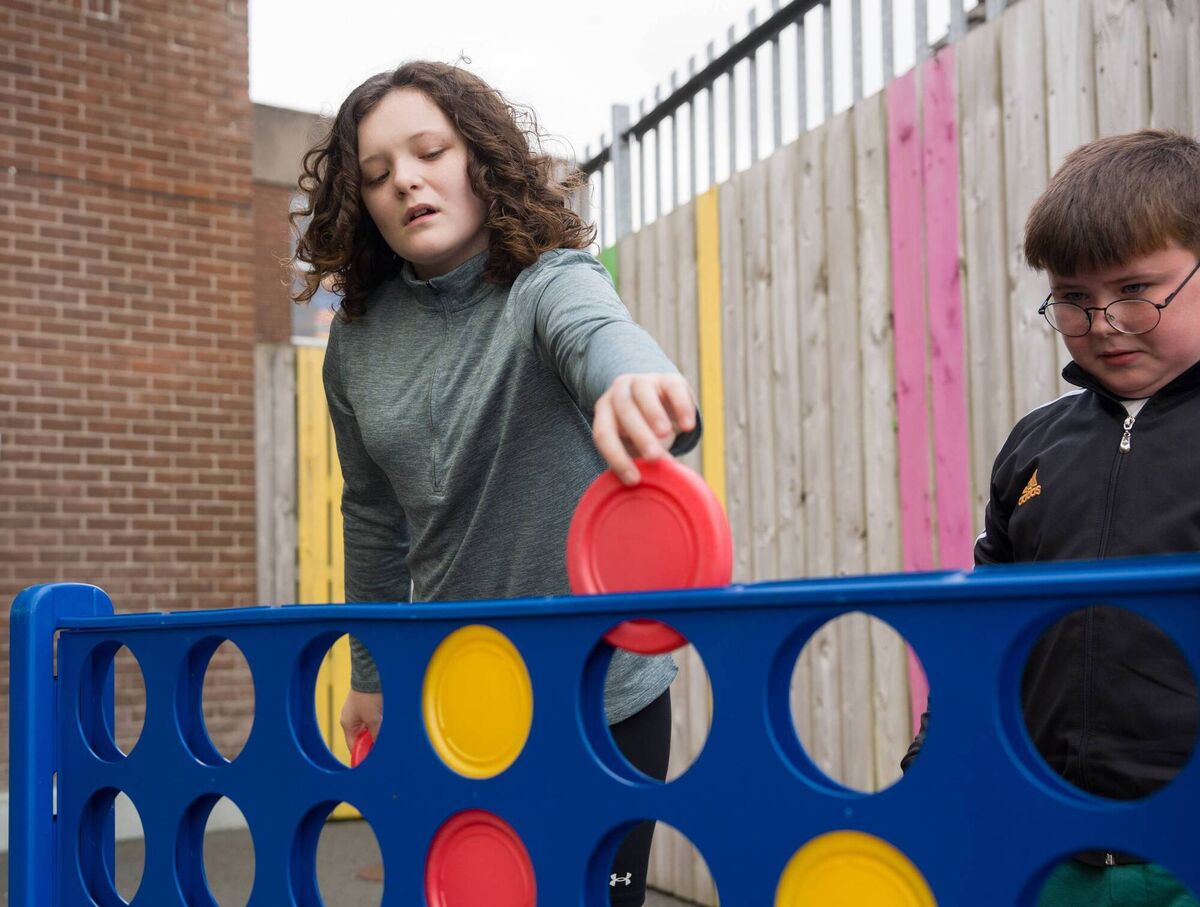
The school’s impact extends far beyond the classroom. Recognising that many autistic teenagers can find it difficult to make friends, the early parental community that founded the school also established a youth club. Since 2017 this has grown from two teenagers meeting to play pitch and putt on Saturdays into a thriving social programme that supports up to 160 children and young people from across the region.
Walsh continues to provide support for parents and families in other ways too, helping to set up Autism Support Louth & Meath, a charity that runs meetings, youth clubs, training courses and provides information and advocacy, as well as a network of parents and families who can support and help each other.
“On any given Saturday we have between 100 and 120 autistic children, teenagers and young adults coming in,” she says. “Those who started out as the original group playing pitch and putt are in their 30s now and are still coming in, because this is their friend group.”
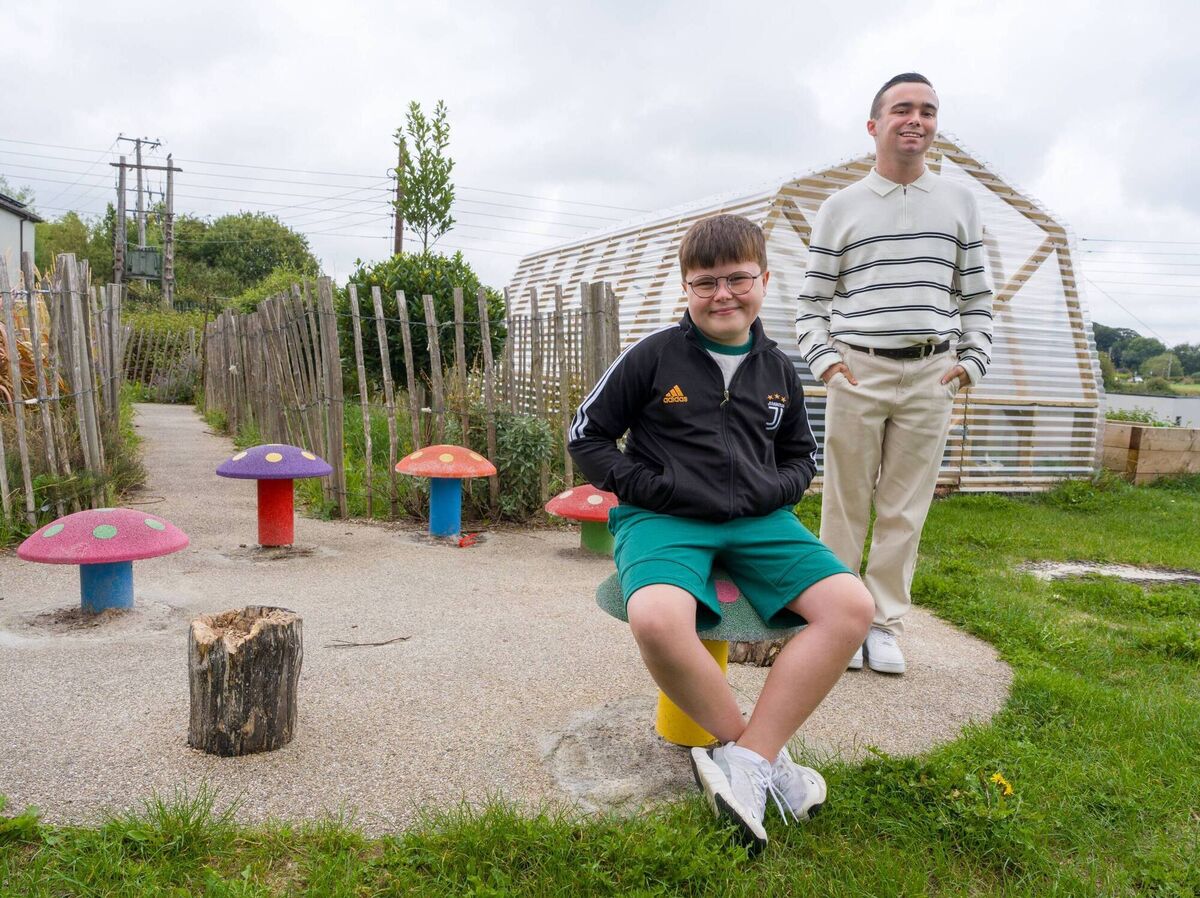
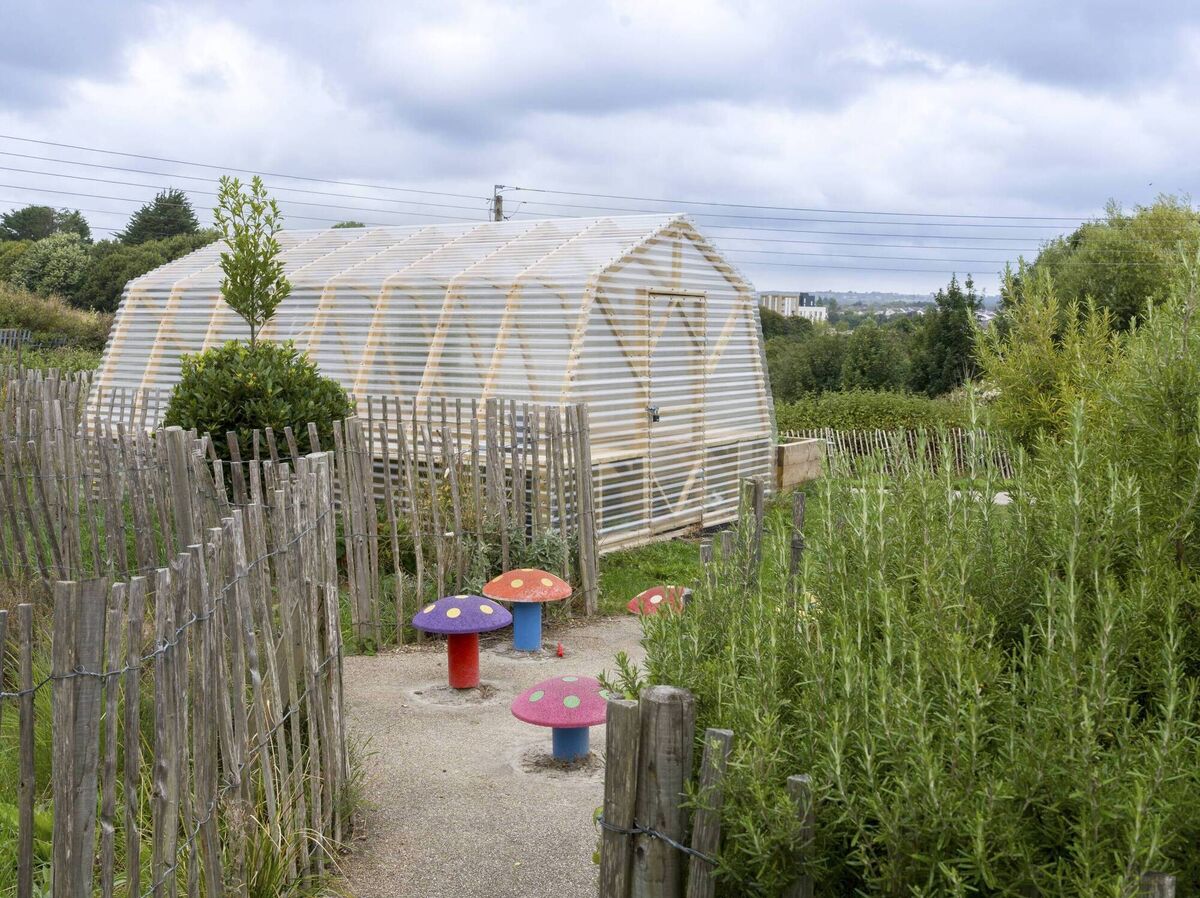
At the heart of the school is its sensory garden – a safe, calming space where children can explore, play and simply enjoy being outdoors.
Like so many of the school’s activities and facilities, the new facility was the result of extensive fundraising, including support from Tesco Ireland. Today it plays host to regular Sensory Sundays – a chance for children and their families to meet and relax.
“It’s a really lovely area where the children can run around,” Walsh says. “There’s only one gate, so it’s very secure. We have some of our youth club staff there to assist with activities, as well as our parent information officer, who can help people with questions. It’s also just a chance to sit and talk with other parents over tea and coffee.”
The sense of community is palpable – and intentional. It’s all about creating support networks. “I know from my own experience, the original group of parents who set up this school are still our network for one another. Sometimes – and again I know this myself – you just want to be able to tell your friends who also have an autistic child what’s happening, knowing they’re not going to do the whole sympathy thing. Just to be able to say it without having to explain why or how it happened, because they understand, helps.”
Sam is now 27, and the communications skills he learned as a child at Abacas still stand to him, and to the team of people who support him. “He was also extremely happy there,” Walsh says.
Tesco’s Community Fund, which shoppers can support through the blue tokens they can collect at the checkout, have helped more than 27,000 community projects secure a total of €10 million since it launched in 2014. Alongside support for Irish suppliers, donating repurposed delivery vans to community groups and covering the price of VAT on Tesco sun cream, it’s a core part of the retailer’s signature Every Little Helps campaign.
“The support we’ve had from the business community has been absolutely invaluable to us,” says Walsh. “That includes Tesco’s 25 Years in Ireland celebration Community Fund, from which we received €25,000, which was phenomenal and made a huge difference.” The money helped transform what had been a wasteland at the back of the school into the mini-Eden that is the sensory garden.
Designed by a landscape architect, the theme she used was the children’s picture book and song, We’re Going on a Bear Hunt, a lifelong favourite of Sam’s.
“All the elements of the song are in it, including the ‘squishy squash’ of the muddy areas and the ‘swishy swash’ of the tall grasses, as well as the ‘bear cave’ – a willow tunnel that the light dapples through. There are hillocks and tunnels, and the children can enjoy the feel of the wind and the scents from the rosemary, sage and mint planted in it. It’s just a lovely location.
“A lot of the time with autistic children, someone has to hold them by the arm. They don’t have the freedoms other children have. Here, as long as someone is minding the gate, they can run around in freedom.” The support from Tesco is proof positive that “every little” helps a lot.
“They say it takes a village to raise a child but for us it takes community,” says Walsh. “We are very much part of the community here in Drogheda and Tesco is part of our community too.” For more information on the Tesco Community Fund, or to nominate a cause close to your heart to receive funding, visit tescoireland.ie