"My master's at UL taught me that structured learning and a demanding career can coexist"
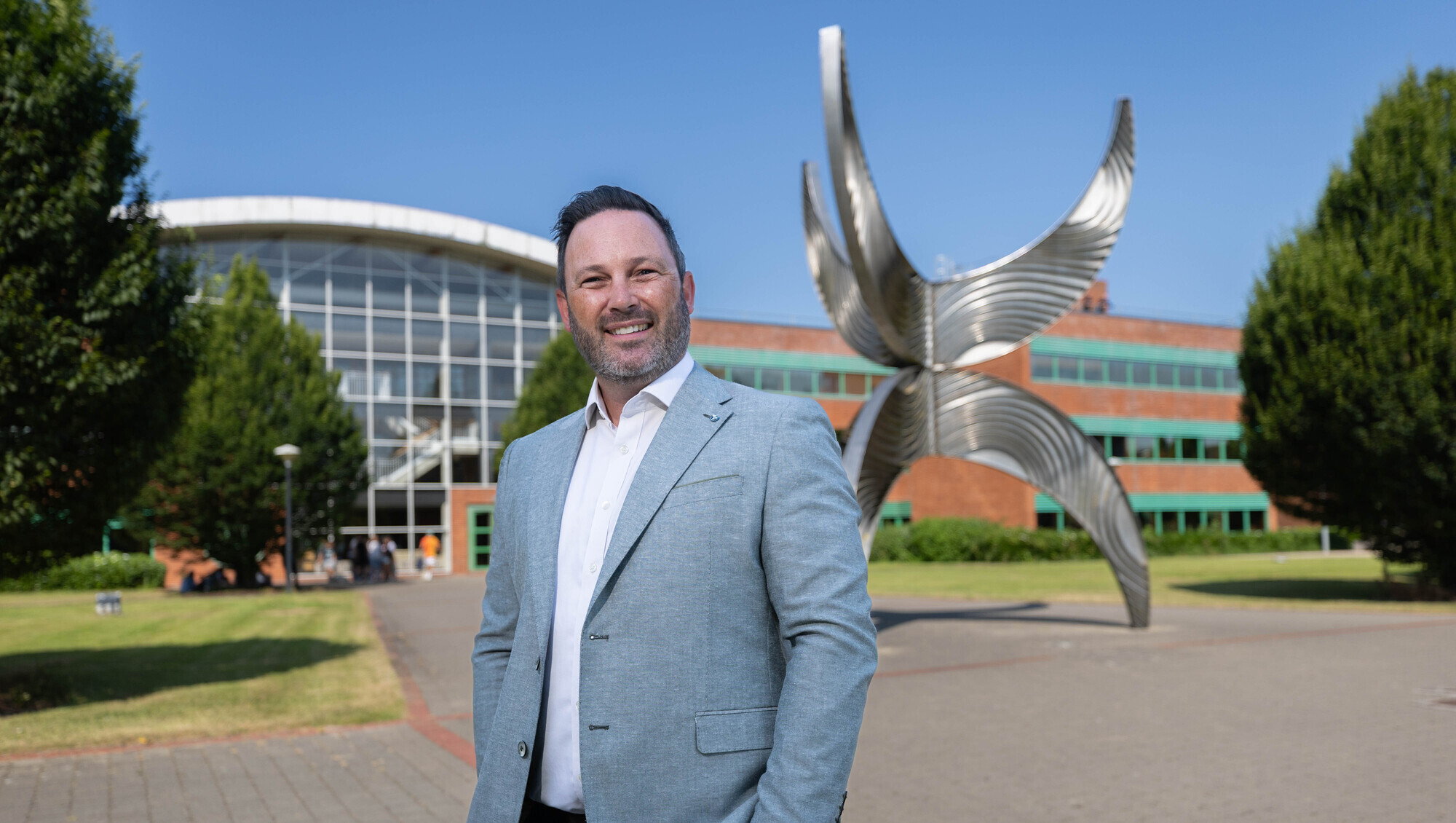
Brian Tuohy, director of flight operations for Flexjet International, says UL's Master of Professional Practice has enhanced his future career prospects. Picture: Eamon Ward
For many working professionals, the idea of doing a master’s degree can feel appealing, but unrealistic.
It may be something they have thought about for years: a way to progress in their career, move into leadership, build confidence, or adapt to a changing workplace. But between full-time work, family commitments and the pace of everyday life, finding time to take on additional study can feel impossible.
For some, however, the journey to achieving a master’s degree may already have begun — and they may not even know it.
Across Ireland, many professionals have completed Level 9 qualifications such as professional diplomas, graduate certificates, postgraduate diplomas or postgraduate certificates. These qualifications may have helped them develop specific skills, move roles, or respond to changes in their industry. But now, they can also form part of a pathway towards a master’s degree.
That is the thinking behind the University of Limerick’s Master of Professional Practice, or MPP: a new, flexible, part-time master’s designed for working professionals who want to build on postgraduate learning they have already completed.
Rather than asking people to start again from scratch, the MPP allows eligible students to “stack” previous Level 9 credits earned within the last five years and combine them with further study at UL to achieve a multidisciplinary master’s qualification.
Dr Sinéad Burke, UL@Work manager, says the programme was built with industry and developed in response to how people now work, learn, and build careers.
“The pace of change is so rapid at the moment,” she says. “People have to keep learning throughout their working lives.”
The MPP, she explains, was designed so that people could combine knowledge across different subjects, bring education they had completed at other institutions, and build their qualification on their own timeline.
“There are peaks and troughs in everybody’s career,” says Dr Burke. “This allows people to shape their education around their career rather than the other way around.”
The MPP is particularly relevant for people who already hold 60 ECTS credits at NFQ Level 9; a typical combination might look like two professional diplomas, a graduate diploma, or equivalent postgraduate study completed within the last five years.
Those credits can come from UL or from another recognised institution. International qualifications are also welcome, provided they are equivalent to NFQ Level 9.
For those who are not yet at that point, UL also offers a more gradual route. A learner might begin with a six- or eight-week micro-credential, then build towards a Professional Diploma, and later continue towards the MPP.
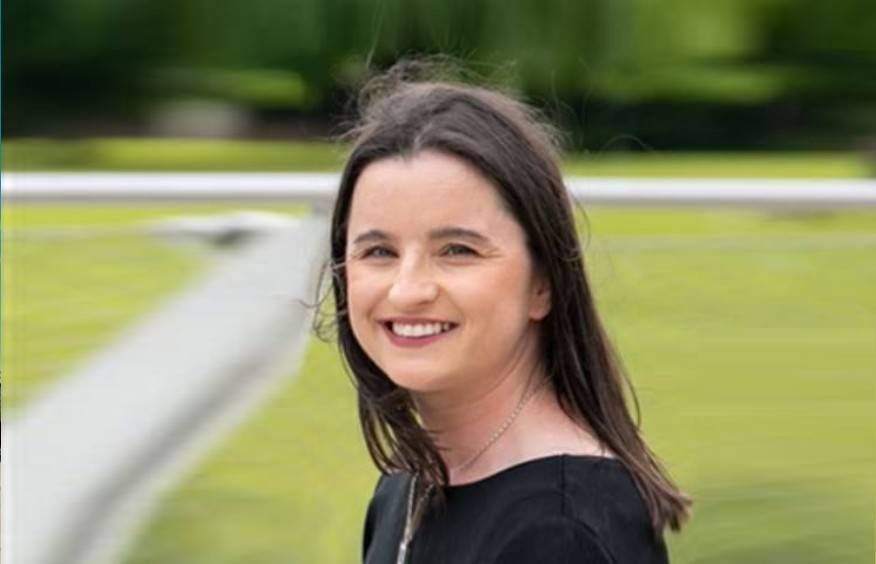
For Dr Burke, this flexibility is essential.
“Work gets busy and life gets busy,” she says. “This allows you to do something small, maybe something a little bit bigger, take a break for a year, then come back to it.”
The programme reflects a wider shift in the relationship between education and the workplace. Dr Burke says employers are increasingly looking for people who can combine deep expertise with broader skills.
“The age of the silo is over,” she says. “It’s not enough now to just be an expert in one domain area. For people to thrive in their careers, they need to have a much broader skill set.”
That might mean combining technical knowledge with leadership, regulation, communication, digital transformation, or critical thinking. For someone working in an area affected by AI, for example, technical upskilling alone may not be enough. They may also need to understand how to lead change, manage risk and communicate across teams.
The MPP allows students to define a path that makes sense for their work and ambitions, while still gaining the academic structure and rigour of a university-accredited qualification. Many of the pathways are online, with evening or recorded lectures, workshops and practical learning. The programme is taught through continuous assessment and group work, rather than a final exam.
There is no thesis requirement. Instead, students complete reflective learning modules that help them connect their career to date, their previous study, and their future goals.
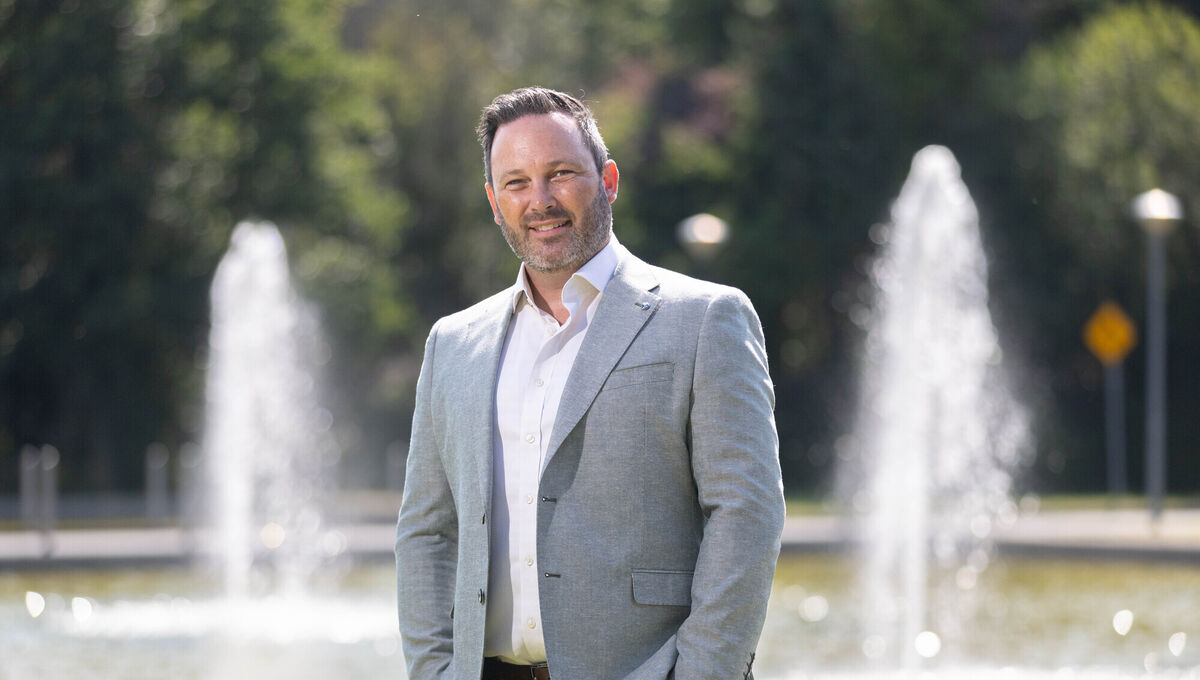
For Brian Tuohy, a recent MPP graduate, that practical structure was important.
Brian is now director of flight operations for Flexjet International, building on a successful career as a pilot. His route to the MPP was borne from a need to pivot in his career.
“I was made unemployed twice during COVID, both times from flying roles,” he says. “That forced an honest look at where I stood in the job market. As a pilot, I was highly specialised, and I realised I needed to broaden my skills to remain attractive to employers.”
He had already completed a BA in International Business in Aviation, which he says “whetted the appetite for more”, but many master’s programmes he considered felt too generic.
“The MPP gave me the opportunity to stack logical, relevant courses that matched where I believed my career needed to go,” he says.
For Brian, the MPP has had a direct impact on his career.
“It has helped position me as an industry expert because the areas of study map directly onto my current role as director of flight operations,” he says. “I have moved from a small company to a large international one, and the MPP absolutely helped me demonstrate my commitment to the business.”
He believes the programme is especially well suited to people who want their learning to have a clear link to their professional direction.
“I would strongly recommend the MPP to anyone thinking about it,” he says. “The content is directly relevant, and it has definitely positioned me as a more serious candidate when senior roles are being decided.”
For employers, Dr Burke says the programme can also support retention and targeted upskilling. The MPP was co-designed with industry, and she says those who complete it demonstrate a clear commitment to lifelong learning.
“People who have done this programme, they have that growth mindset,” she says. “They’re on that journey of lifelong learning and continuous learning.”
Following completion of the MPP, Brian is now a doctoral candidate at UL, completing a Professional Doctorate in Engineering alongside his full-time role, with research examining how emerging aircraft technologies can be safely integrated into corporate aviation.
“The MPP did not end my relationship with further study; it started a bigger one,” he says. “It taught me that structured learning and a demanding career can coexist, and that lesson is what made the doctorate feel possible.”
For more on University of Limerick’s Master of Professional Practice, see: www.ul.ie