What the next generation wants from employers
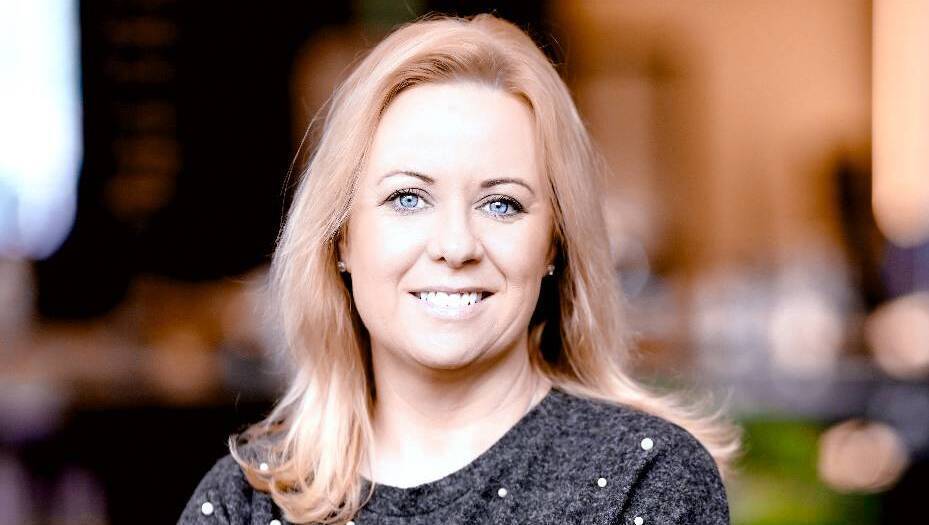
Catherine FitzGibbon, chief people officer, Core
Gen Z is used to being the butt of jokes, after all it’s easy (if not lazy) to poke fun at the cultural changes they have brought about: the emergence of cancel culture at their insistence, their commitment to ironic humour, and of course the infamous Gen Z stare are all easy targets. What’s harder to laugh at is the impact they’re having on the workplace, resulting in businesses across all sectors being forced to adapt.
The term Gen Z refers to anyone born between 1997 and 2012 and they are classed as the first generation of digital natives, never experiencing life before dial-up. They also grew up through the 2008 recession, 9/11 and countless other world events that significantly impacted society, so now, as they enter the workforce, they’re determined to learn from the mistakes of previous generations.
Gone is the sense of gratitude that Millennials and Boomers held towards employers. Instead, this generation is approaching the workforce knowing exactly what they want. Work-life balance has been replaced by work-life integration and ambition is no longer a dirty word. Autonomy and transparency are expected, alongside a healthy DE&I function.
“Gen Z are entering the workforce with a strong sense of self and social awareness,” says Catherine FitzGibbon, chief people officer at Core, a Certified Great Place to Work known for its adaptive and supportive workplace culture. “They have grown up in a period of rapid change and uncertainty and are true digital natives, which has shaped how they think and what they expect from employers.”
This sentiment is echoed by Dave Kilmartin, senior manager, student success, at TU Dublin, an award-winning initiative which empowers students to make well-informed career decisions upon graduation. “Gen Z fundamentally questions traditional work patterns and values flexibility and other intrinsic rewards as much as salary,” he says. “Their experience of digital education, online communication and even socialising online hit at a pivotal developmental stage of their lives and now they’re seeking a form of continuity within the workplace, where technology enables flexibility and hybrid working arrangements. The job must fit in with life, rather than life revolving around the job.”
Where previous generations sought to strike an elusive balance between their work life and personal life, this one is taking a more pragmatic approach: work-life integration. Rather than try to split time evenly, they are demanding a level of flexibility and autonomy which enables them to choose when and where they work, often at hours better suited to personal obligations. For employers this means that flexibility with working hours and location is expected as a baseline and that a higher level of employer trust is needed within the workplace. Bye-bye micromanagers, hello self-starters.
“From a recruitment perspective, flexibility is no longer a perk. It’s a key element of the employer value proposition,” confirms FitzGibbon. “For candidates, particularly Gen Z, flexibility is a must-have and they want to see it genuinely supported by leadership.
“At Core, we have engaged in hybrid working for nearly 10 years, so it’s very much part of how we operate and our approach to flexible working has fundamentally reshaped how we think about talent. It has allowed us to hire amazing talent, have a more diverse talent pool, and remove barriers that previously excluded great people due to geography or other life-stage responsibilities. It has also helped us retain brilliant people across multi-generations and has proven to be an incredibly successful model not just for our culture but for our business.
“Flexible environments do require businesses to change how they engage, communicate and operate, they are built on trust, clarity, and accountability.”
Alongside trust, also comes the demand for transparency about everything from salary to career progression with Gen Z prioritising companies who lay out their stall early on. “Clarity around salary and salary ranges is a non-negotiable,” confirms Kilmartin, who goes on to say that lack of salary transparency at the recruitment stage leads to suspicion about what else is being hidden.
Other criticisms include being called disloyal for their proclivity for role-hopping, something Kilmartin disagrees with, saying: “Decisions to move jobs tend to be based around a lack of transparency in terms of role, career paths and progression, or salary. Gen Z wants to build a life rather than just tick a box of experiences on a CV; they make pragmatic choices around things that are important to them.” For FitzGibbon, it’s less about loyalty and is instead about transparency on the part of the employer.
“I don’t believe that Gen Z are less loyal to work,” she states. “However, I do believe they are less loyal to workplaces that do not genuinely value systems of trust and fairness. From my experience, Gen Z wants the same fundamental things that all generations before them have wanted - to feel valued, respected, and connected to the work they do. What is different, however, is that they are more open about those expectations and are happy to challenge them when they are not met.”
And challenge them they do, with Gen Z making calls for salary transparency during the hiring stage and DE&I policies to be placed front and centre of company websites. It’s clear that how companies attract and retain talent is going to change more as the younger generation moves into more senior roles.
Kilmartin says: “Given the espoused value system of Gen Z, we would expect to see an inclusive, collaborative and empathic style of leadership. Yes, with a focus on outcomes, impact and the business bottom line, but not simply measured by long hours on tasks. These leaders will be well used to change and digital transformation and be acutely aware of the need for adaptability and innovation as a given.”