Lungworm poses a significant threat this mid-summer season
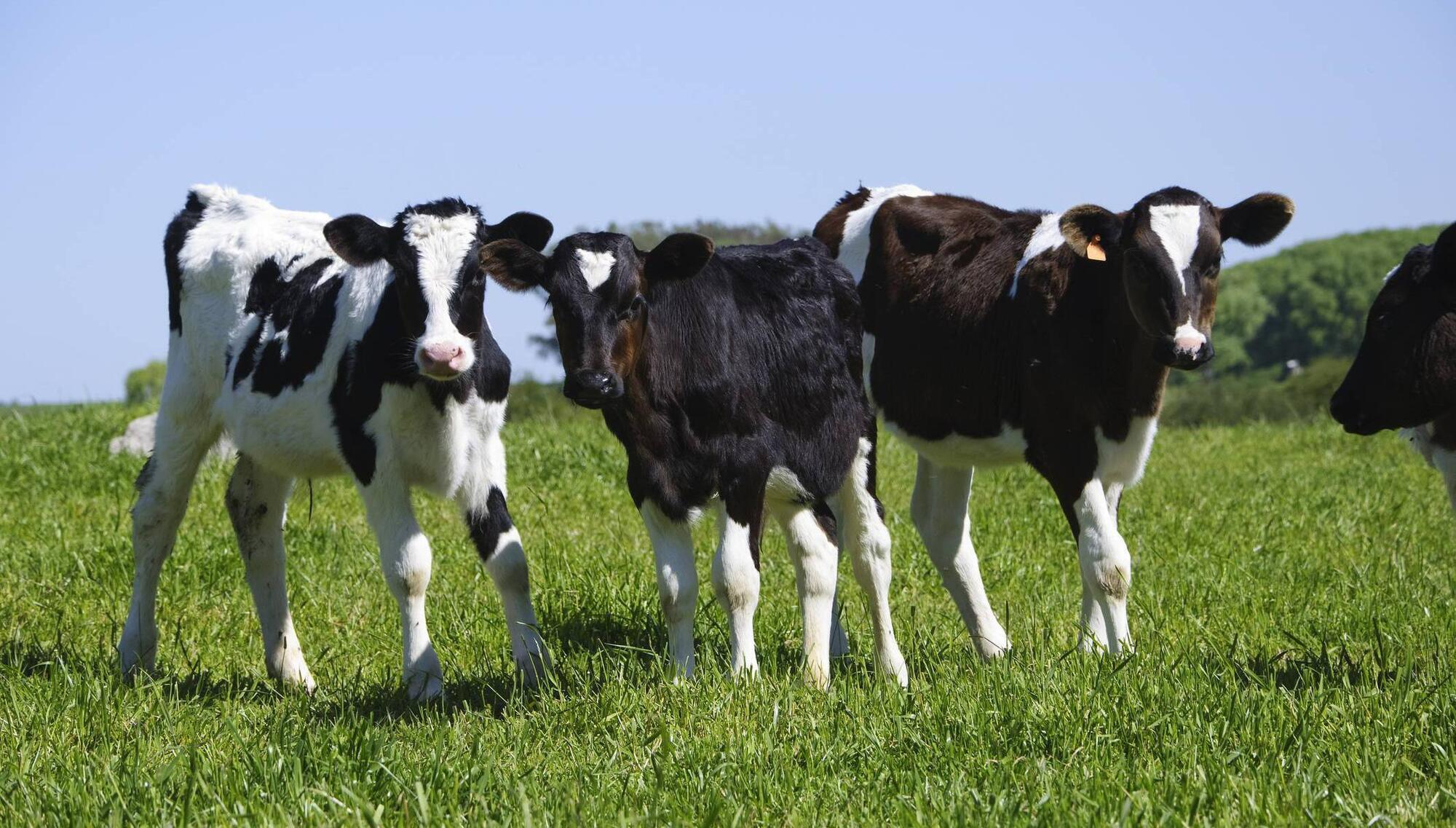
Lungworm affects both young and adult animals and can result in long term effects or even death.
HERD HEALTH SERIES: Maura Langan, Commercial and Technical Manager (Large Animal) at Norbrook.
This year, the combination of late turnout and a cool start to the summer has meant that the worm challenge hasn’t followed usual patterns. Some farmers have been able to hold off on the first dose and performed FEC tests before deciding to treat.
Although it’s possible to wait before treating for gastrointestinal worms, mid-summer also brings a high risk of lungworm, a parasite that needs a rapid response. Farmers should remain vigilant for the sound of coughing in all stock, but most especially calves. Calves are completely naïve and can acquire a dangerous level of infection within 24hrs of grazing contaminated pasture.
Development of lungworm larvae passed out onto pasture in the faeces is affected by the weather. If warm (20°C) and humid conditions prevail, infection can be rapid. As a result, we would typically expect to see clinical cases occurring late July or into August.
Larvae may be dispersed from the dung pat by a fungus or by the splashing effects of rain. This means that pastures can become contaminated with infective larvae very quickly and peaks in lungworm infection commonly occur when heavy rain follows a dry spell.
The severity of infection and development of the disease throughout the herd is variable and unpredictable, making lungworm particularly challenging to control.
Lungworm affects both young and adult animals and can result in long term effects or even death. Infection initially causes coughing and laboured breathing while moving but this progresses to coughing even at rest. If left untreated, lungworm can result in death or long-term debility. Lungworm in growing cattle can incur losses of between €60 and €120/head.
Young stock that are exposed to lungworm develop immunity relatively quickly, however the persistency of that immunity varies. This variability in immunity can lead to severe respiratory signs when cattle are exposed to a heavy larval challenge, irrespective of the age of cattle. It is this reinfection syndrome that is responsible for coughing in adult dairy cows commonly referred to as ‘coughing cows’.
Coughing dairy cows have a significant impact to productivity and welfare within the herd. Milk drop can be severe and occur prior to coughing. These cows are then more susceptible to secondary bacterial infections or pneumonia.
Farmers need to remain vigilant to the clinical signs of lungworm in all stock and treat the whole group promptly. If you suspect lungworm in your herd, it’s important to take advice. There could be other reasons your cattle are coughing, so your vet may need to take faecal samples, bloods, nasal swabs or lung washes.
All classes of wormer are indicated for treatment of lungworm. Your vet may recommend treatment with a levamisole (Levacide Low Volume) due to the active’s unique mode of action. It kills the lungworm by spastic paralysis which allows for the dead lungworm to coughed up more easily.
Lung damage can be severe and some of the pathology is irreversible, so clinical signs may continue despite successful removal of the worms with an anthelmintic. Unfortunately, deterioration of clinical cases and even mortality can also occur post-treatment.
As always, speak to your vet to seek advice that is specific to your farm.
Visit www.norbrook.com for more information.