Summer months bring flies to the farm
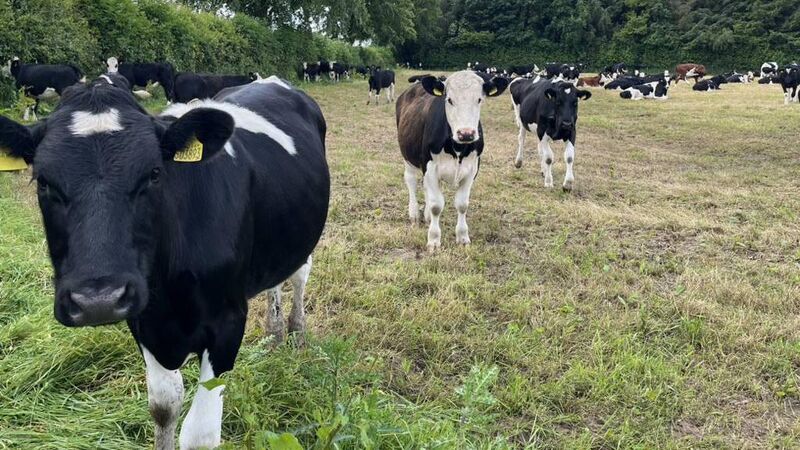
Spotinor Spot-on Solution for cattle and sheep is a convenient and effective option to control a range of flies, lice and other external parasites.
HERD HEALTH SERIES: Maura Langan, Commercial and Technical Manager (Large Animal) at Norbrook.
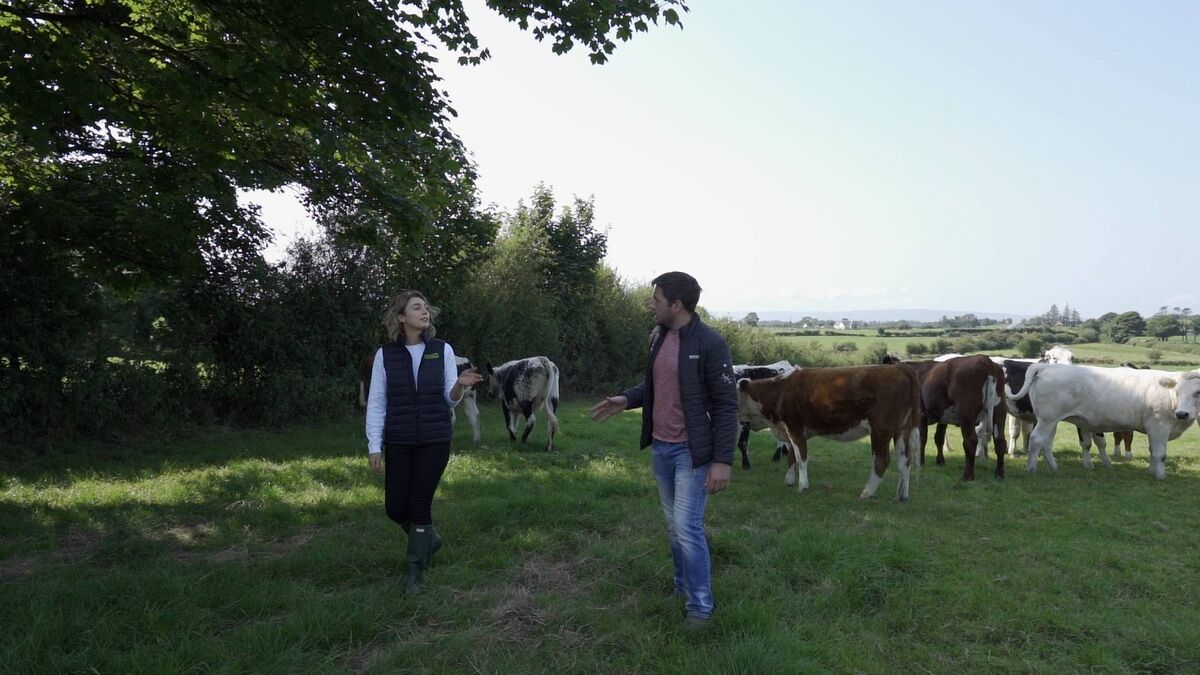
Fly problems can occur any time between April and November with the lifecycle being highly temperature dependent. There are at least 20 common species of flies which feed on the blood, sweat, skin secretions, tears, saliva, urine or faeces of cattle. Biting flies puncture the skin directly and non-biting or nuisance flies scavenge at the skin surface, wounds or body orifices.
Cattle react to fly activity by movement into shade, restlessness, skin rippling or simply stamping and tail switching. In extreme cases cattle may be so distressed that they damage themselves through rubbing, kicking or other escape behaviours.
All these activities result in cattle using more energy and spending less time grazing. Reduced feed intake and the irritation and stress caused by the nuisance and painful bites of flies has a negative effect on the productivity of dairy cows with reduced milk yields of up to 20% observed.
The ‘fly season’ also heralds an increased risk of dry cows and heifers developing Summer Mastitis.
The head fly has been proven to carry the bacterium that is most frequently isolated from clinical cases of summer mastitis. Summer mastitis requires veterinary intervention often with less than favourable outcomes. The affected quarter rarely recovers resulting in a blind quarter. The cost of antibiotic treatment and drop in overall future milk production can have a significant impact.
Similarly, face flies and the stable fly act as mechanical vectors transmitting the bacterial causes of infectious bovine keratoconjunctivitis or ‘pink eye’. This can cause severe ocular damage and requires antibiotic treatment. There is also a knock-on, long-term effect on productivity; affected cattle can suffer a significant reduction in weight gain when compared with healthy cattle.
While a certain number of flies can be expected, farmers can make some changes to reduce their impact. Low-lying, still areas with standing water, long grass and trees or hedges are a haven for flies. Avoid these areas where possible at periods of peak risk and move regularly to reduce the faecal matter on pasture.
The hot, moist conditions of a milking parlour are also attractive to flies, so consider fly traps, insect killing lights and fly killing paints. Improving ventilation with the installation of fans may help. Hygiene is essential as flies lay their eggs in rotting vegetation and faeces. Consider management of manure heaps, including spreading them or relocating them as they are often the source of flies on farm.
The use of spot-on products for cattle are an effective way to reduce the impact of flies on livestock. Regular use, starting early in the season can help to reduce the overall numbers of flies affecting your herd. All cattle in the management group should be treated.
Spotinor Spot-on Solution for Cattle and Sheep contains 10mg/ml deltamethrin, a pyrethroid insecticide known for its speed of action and potent kill. It is a convenient and effective option to control a range of flies, lice and other external parasites that affect livestock throughout the year. It has an easy spot-on application and the simple 10ml dose for cattle means no need to weigh animals before treatment.
Farmers should continue to treat at regular intervals throughout the season to prevent a build-up of flies, your vet will be able to advise a suitable regime that takes into account the specific needs of your farm.
Visit www.norbrook.com for more information.