Right wormer, right time, right animal
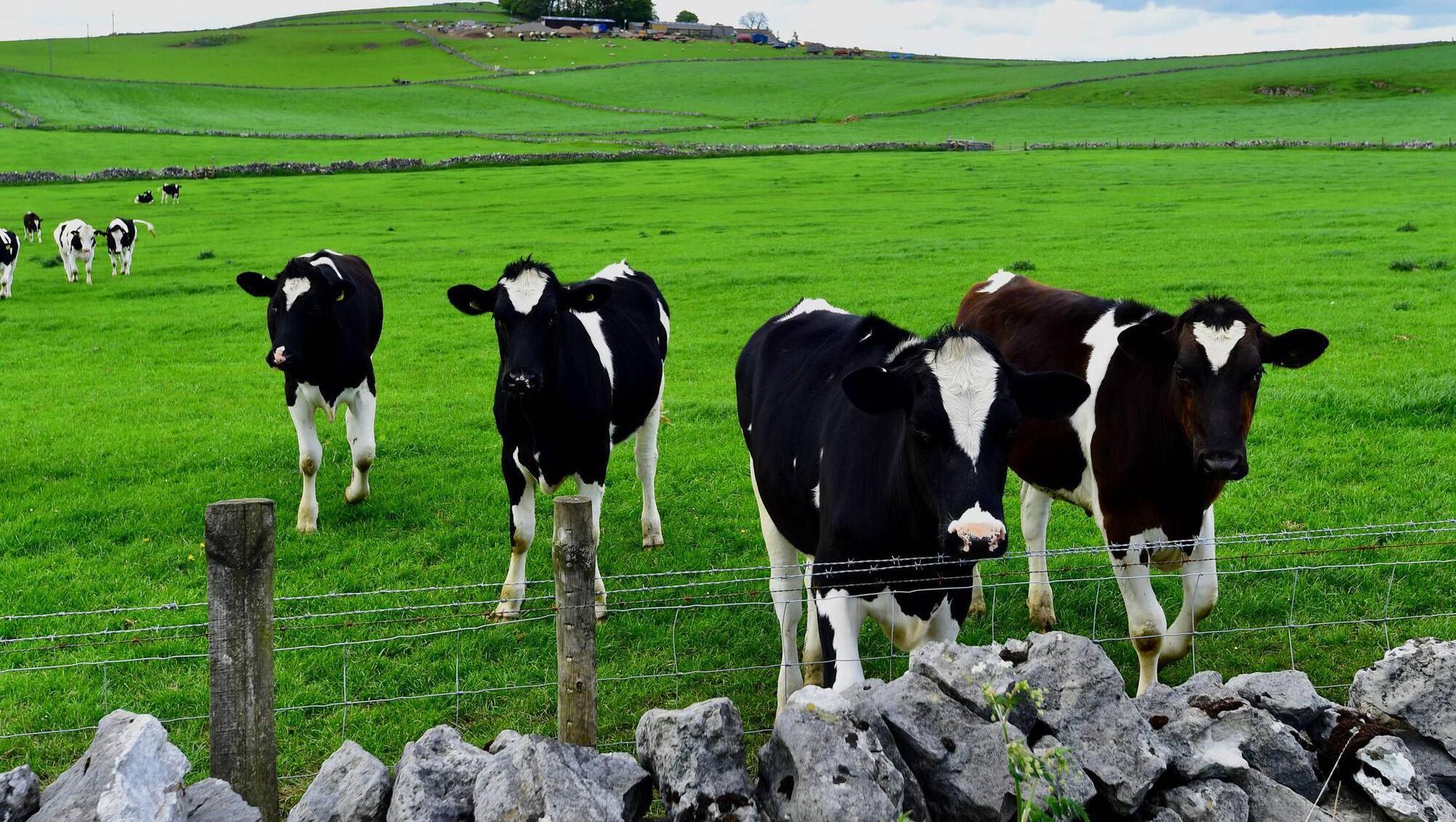
Calves in their first grazing season are at high risk of parasitic infection.
HERD HEALTH SERIES: Maura Langan, Commercial and Technical Manager (Large Animal) at Norbrook.
Many farmers try to avoid over-reliance on individual wormers, but farm-specific factors such as grazing pressure, production performance and clinical signs of infection should also be considered when establishing a parasite control plan.

Parasitic gastroenteritis is commonly caused by gutworms Ostertagia and Cooperia. Their lifecycle depends on the presence of host animals and favourable climate conditions. As pasture contamination builds up, the risk of disease increases throughout the summer. As a result, the two peak periods of risk are 3-4 weeks post turnout and then again in July.
Calves in their first grazing season are completely naive and therefore are at high risk of parasitic infection. However, it is important that young cattle are sufficiently exposed to infection before being wormed to allow natural immunity to develop.
Older, second season cattle should have acquired some level of immunity to gutworm, so it is important that the need to treat is balanced between the effects on the wellbeing and performance of cattle and a responsible approach to the prescribing and use of anthelmintics. Where possible, management groups should be kept separate and different treatment regimes established.
Farms with limited clean pasture are considered high risk, so cattle with lower immunity should be monitored carefully and a season-long worming programme established. After 3-4 weeks on pasture, they will have picked up some worms, but crucially will also have been able to build up some immunity. At this point a first worm treatment may be indicated.
Pasture not used by cattle in the previous year or silage aftermath is lower risk, so consider moving first season calves there to avoid peak infection at the end of June / July. If you are in doubt as to the level of pasture contamination, Faecal Egg Counts 6-8 weeks post turnout will help to assess the worm burden.
Short-acting wormers such as levamisole (Levacide Low-Volume) can be useful when balancing exposure and treatment. Levamisole has no persistency, so may be a suitable initial grazing treatment, or ‘primer dose’ that allows immunity to develop following exposure to gutworms early in the season.
Persistent wormers continue to protect cattle from re-infection after treatment. Actives like doramectin that have persistency (Taurador Pour-On) mean further worming may not be necessary for another 6-8 weeks following treatment. This can offer effective, practical treatments for management groups not being handled regularly.
Both products can be prescribed before or after other wormer classes to provide effective and responsible parasite control strategy that balances immunity, treatment and persistency where appropriate. Although cases of lungworm typically occur later in summer it can be unpredictable, so remain vigilant for the first signs of coughing. Treat the whole management group at the first sign of infection.
Bought-in stock or calves raised off-farm risk bringing in parasites, possibly ones that are resistant to treatment. Animal Health Ireland recommends treating bought-in cattle for gut worms with an effective anthelmintic and quarantining for at least 48 hours following treatment.
A liver fluke treatment may also be appropriate for bought-in cattle depending on the originating farm. Combination products of wormer and flukicide (Levafas Diamond, Closamectin Pour-On) may be appropriate in these circumstances. Cattle should be grazed on ‘dirty’ pasture following treatment in order to dilute the proportion of potentially resistant worms or fluke.
As always, speak to your vet to seek advice that is specific to your farm.
Visit www.norbrook.com for more information.