Making the most of fresh spring grass
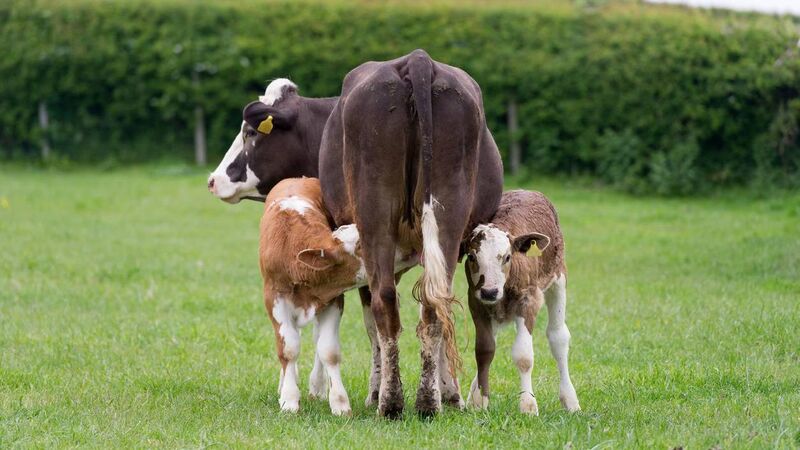
Suckler cows and store cattle are susceptible to grass tetany.
HERD HEALTH SERIES: Maura Langan, Norbrook Veterinary Advisor
Grass tetany or staggers is a metabolic disease caused by an acute deficiency of magnesium (hypomagnesaemia). Cattle are unable store this essential mineral and have no active hormonal control of magnesium levels in the body, so they are reliant on daily dietary intake. Most supplementary feeds will include adequate supplies of magnesium, but suckler cows and store cattle are rarely supplemented at grass and as such they may experience grass tetany.
Magnesium levels in pasture can vary quite considerably. The application of fertilisers containing nitrogen and potassium interferes with the uptake of magnesium by the grasses reducing the availability for cattle. Rapidly growing spring grass (especially rye grasses) is therefore low in magnesium.
Spring grass is also much lower in fibre which increases the rate of transit through the rumen, reducing magnesium absorption rates and causing scour. Poor weather (or illness) is often associated with cases of grass tetany due to reduced feed intake. Magnesium is essential for milk production, so lactating/ suckler cows with calves at foot are particularly at risk.
Clinical Grass Tetany is a rapid onset metabolic disease and a true veterinary emergency. Clinical signs include restlessness, hyper-excitability, ‘wild eyes’, frothing at the mouth, incoordination, staggering, collapse and seizures. Treatment needs to be instigated as soon as clinical signs are noticed, as animals will rapidly deteriorate and in severe cases death can occur within one hour of first symptoms.
Emergency veterinary treatment is required with intravenous administration of a calcium and magnesium solution at first sign of symptoms. A further follow-up treatment of Magniject should be administered subcutaneously. Animals should not be stimulated during treatment.
As with most metabolic conditions, animals that display clinical signs are only the tip of the iceberg and much of the herd is likely to be sub-clinically affected. Preventative measures via oral supplementation of magnesium are the simplest and most cost-effective option in managing grass tetany. Magnesium salts and minerals can be unpalatable. Water supplements and licks can be unreliable as individual intakes cannot be guaranteed.
The optimum way of ensuring supplementation is through administration of a sustained release magnesium bolus. Opti-Mag3 bolus provides 100g of slow-release magnesium. Administration of two boluses 2-3 days before the anticipated risk period (ie turnout) will supply approximately 6g of magnesium per animal per day for four weeks.
Visit www.norbrook.com for more information.