Early intervention for scouring calves could mean the difference between life and death
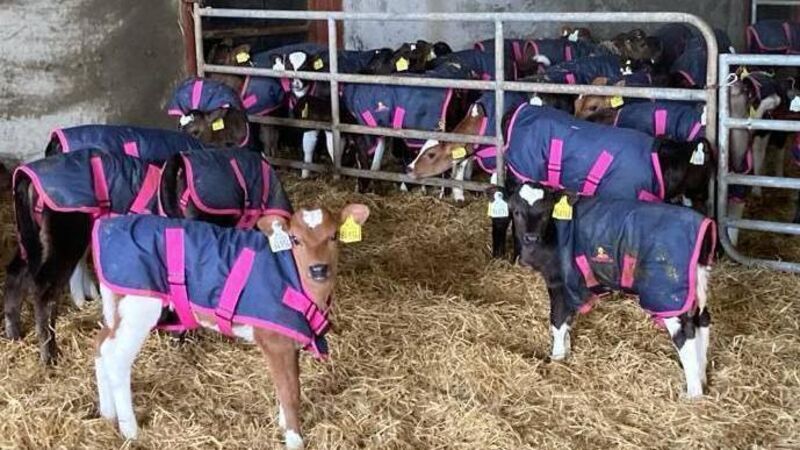
Sick animals should always be isolated from the rest of the herd or management group to reduce the risk of transmitting infection.
HERD HEALTH SERIES: Maura Langan, Norbrook Veterinary Advisor
As the number of calves on the ground increases, so does the chance that some of them will get sick.
With waning maternal immunity and minimal body reserves, young calves remain extremely vulnerable in even the best-run farms. Attentive nursing care and supportive therapies to reduce pain and inflammation can improve outcomes and speed recovery.
Neonatal calf scour (diarrhoea) can be caused by a range of viruses, bacteria or parasites. The scouring calf begins to lose more fluids than it can take in and this quickly leads to a dull, depressed and dehydrated animal, often with a ‘sunken eye’.
Early intervention and careful nursing can often mean the difference between life and death in very young calves. Sick animals should always be isolated from the rest of the herd or management group to reduce the risk of transmitting infection. Ensure they have plenty of clean bedding and ready access to food and water. Keep the calves warm, using calf jackets if necessary and change bedding frequently. Hygiene is essential to reduce the spread of disease. Check on calves’ progress regularly while administering supportive therapies and call your vet if you have any concerns.
Oral rehydration therapy (ORT) helps correct the dehydration, acidosis and electrolyte imbalance that occurs in scouring calves. Good quality, commercially available ORT powders like Life Aid Xtra contain optimal levels of electrolytes, bicarbonates and glucose, but it is essential they are used correctly to ensure the best possible outcome. One sachet should be mixed in 2 litres of water and given twice a day for up to 48 hours in addition to normal milk feeds. Continued milk feeding not only provides the energy required for weight gain and growth throughout the period of diarrhoea, but also provides the nutrients that are necessary for the recovery of the intestinal mucosa.
Your vet is also available to prescribe an NSAID called meloxicam that is licensed for cattle for use alongside ORT. Suitable for use in calves over one week of age, it is known to reduce pain and inflammation and has anti-pyrexic qualities to reduce high temperatures. A single injection when administered in combination with ORT helps to reduce the clinical signs of diarrhoea.
The same NSAID can also be used alongside local anaesthetic when disbudding young calves. Legislation permits the disbudding of calves up to 28 days of age by thermal cauterisation, and local anaesthetic is required for the disbudding of calves 14 days and older. Irrespective of the age of the animal, best practice is to use both a local anaesthetic and a non-steroidal anti-inflammatory.
Local anaesthetic containing procaine should be administered under the skin, halfway between the outer corner of the eye and the base of the horn bud. Feel for a bony ridge in this area; the cornual nerve runs under that ridge. By injecting 2mls into this area, on both the left and right side, 10-20 minutes before disbudding, the tissue around the horn bud will be completely anaesthetised or numbed. Use an 18-gauge 1 inch needle and an injector gun if disbudding batches of calves.
An additional injection of meloxicam is recommended in calves for the relief of post-operative pain following disbudding, as it provides longer-lasting pain relief given that the local anaesthetic starts to wear off after 60-90 minutes. A single injection (0.25ml for a 50kg calf) should be given at the same time as the local anaesthetic to ensure continued pain relief during the procedure and the recovery period. After disbudding wound spray can be administered and calves should be monitored for the next 24 hours to ensure there is no bleeding or developing infection.
As many farmers know, disease or surgical procedures can stop calves eating and drinking as normal and that can quickly result in a loss of condition and further deterioration. The use of NSAIDs has a role to play in supporting treatment and recovery across many conditions, including the youngest and most vulnerable.
Visit www.norbrook.com for more information.