"People shouldn't miss out on a career they'd be great at because they didn't get an A in history"
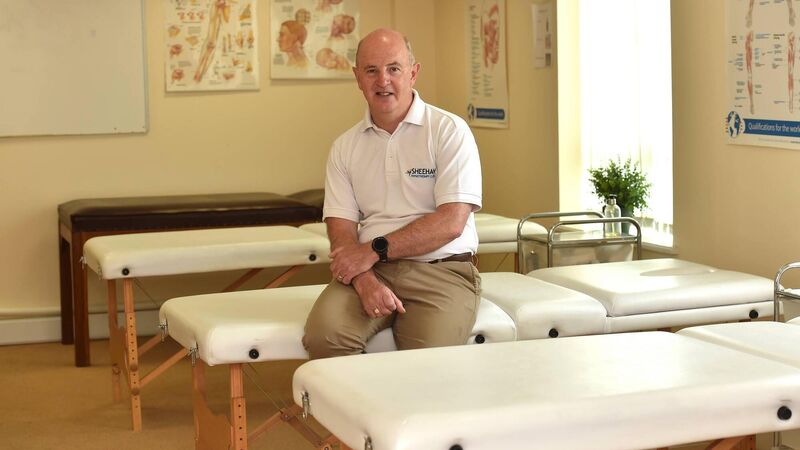
Dr. Neil Sheehan is President of the International College of Orthopaedic Therapy, which has been producing graduates sought across the world since 2006.
In thousands of homes across the country right now, there are few conversation topics more potentially explosive than “the points”. With Leaving Cert results and subsequent CAO offers now finally being released, the number of points that students have earned can be a source of huge anxiety or disappointment not only for the teenagers themselves who sat the exams, but also their families.
Wouldn’t it be great, however, if the number they hear this week didn’t matter? If their future options could be defined by their overall work ethic, dedication and passion, rather than their performance in an exam hall on one particular day back in June?
Here to help prove how such a system can not only work, but provide great results, is the International College of Orthopaedic Therapy (I.N.C.O.T). Since 2006, the Cork-based College has been delivering courses by highly qualified, professional therapists and arming their students with internationally recognised qualifications.
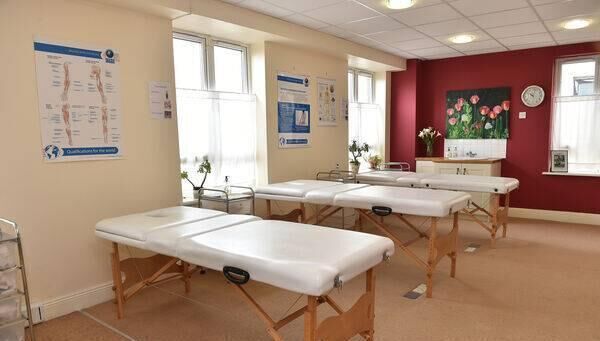
“We don’t require people to have any particular number of points to apply at I.N.C.O.T,” explains College President Dr Neil Sheehan. “Admission to our courses is based on an interview we do with each applicant. The reasoning behind that is we don’t want somebody to lose out on a career they could well be very good at, just because they didn’t get an A in history or geography or something like that.”
While exactly that scenario is an all too familiar nightmare for Leaving Certs in particular, it’s not just this group who can flourish outside of a points-based system. In fact, people of all different ages and walks of life have benefitted from I.N.C.O.T’s less rigid acceptance criteria. “The people who are studying with us are all past school age, some of them have finished college — they all have different things going on in their lives. What’s most important, and what we want to see during the interview, is that applicants have a genuine interest in becoming a therapist, a genuine interest in helping people, and that they understand the work that’s involved. There can be somewhat unsociable hours involved with a career in orthopaedic therapy, because a lot of the time we’re treating people in the evening when they’ve finished work, or maybe we’re helping sports people who need us at events on the weekend.”
A willingness to adapt to these unsociable hours has to start from day one, as Dr. Sheehan points out. “For our Level One or Level Three courses, if a person put away about eight hours of study a week they won’t have any problems with it. So if they can put away an hour a day, or a full Saturday or Sunday afternoon, they’ll do well. For the degree courses, they’d need to be doing more because there’s obviously much more work involved — probably double that each week.
“It’s important to realise that sometimes reaching your goals involves sacrificing something. For our students, it might mean that they have to rearrange their week or their evening plans to allow themselves time to study, and these are all things that we make sure people are aware of when we interview them. We’re flexible to an extent, of course. If something pops up, for instance somebody has a family function or something and they need to miss a day, we understand. We give students as much support as we can and we provide all the slides from any presentations they’ve missed and [info on] all the work that needs to be done. They’re also always given sufficient time to fulfill any submissions or projects that are due in. It’s never an ‘it’s Friday, I need this on Monday’ type of situation! They’re always given plenty of notice, just in case, because we understand that life happens and sometimes things get in the way.”

This ethos that I.N.C.O.T has of looking out for people and supporting them however possible is something they hope to instill in all future graduates. “I think all therapists need to have a genuine interest in people — it’s really important that when a client comes in, you see a person. They’re not just a bad elbow or an injured knee, they’re a person: someone whose life has been impacted by what they’re going through, by the pain they’re in. So you have to recognise that. That’s one of the key things we teach them, but the qualifications they gain here also allow them to work out a really effective treatment plan for their patients — one that will hopefully heal up their injury, take away their pain and get them back to normal life, to their sport or their job.”
The qualifications gained at I.N.C.O.T have indeed been put to good use — helping people far and wide across the globe, in fact. “At I.N.C.O.T we have international accreditation, so we have past pupils who are now working in Canada, in the States, in New Jersey, in Australia, New Zealand — all working very successfully after travelling with the qualifications that we gave them. Of course, many of them also go on to work in Cork, across hospitals and various other clinics, as well as all over Ireland.”
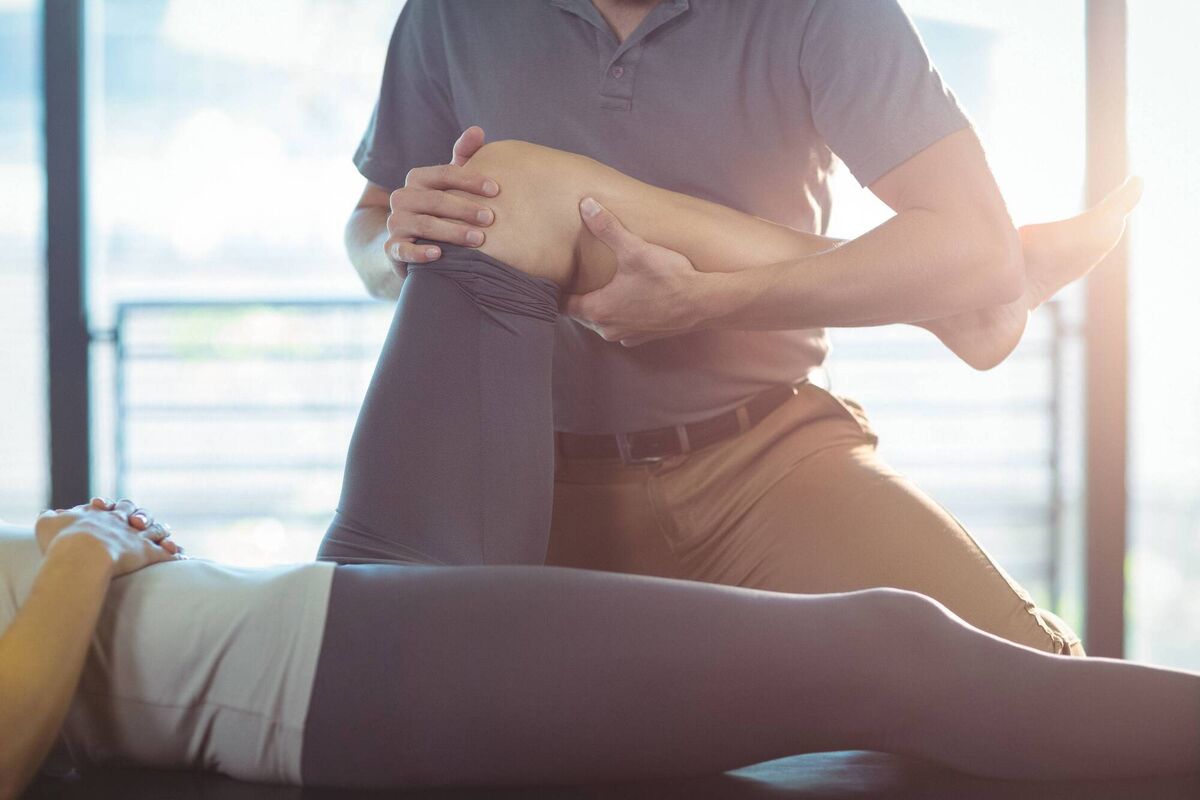
Wherever their career path takes them after I.N.C.OT, Dr Sheehan promises, it’s bound to be fulfilling. “Speaking as a physio myself, it’s an absolutely fantastic career. Within every hour or however long your appointments are, your whole day changes. You meet some incredible people. They come in with injuries and pains, but once they start easing up and seeing the light at the end of the tunnel, you get to know their personalities more and more. You come across so many fascinating people. It’s just brilliant to be able to make a difference for someone who’s perhaps suffered for a long time and hasn’t been able to get the help they need. If you’re fortunate enough to be the person who can give them that, then it’s a very satisfying way of making a living.”
To learn how a career in orthopaedic therapy can be just as rewarding for you, be sure to visit www.incot.ie, where limited places are still available for the following:
- BSc Degree course in Orthopaedic and Manipulative Therapy. Start date 26th September.
- FHT Level 1 certificate in Massage Therapy Level 1 certificate in massage
- Level 3 certificate in sports massage
“ .” – Dave, First Year student of BSc Degree Course
” - Carol, First Year student of BSc Degree Course