“A winning team is created by the team — the leader is only a part of it"
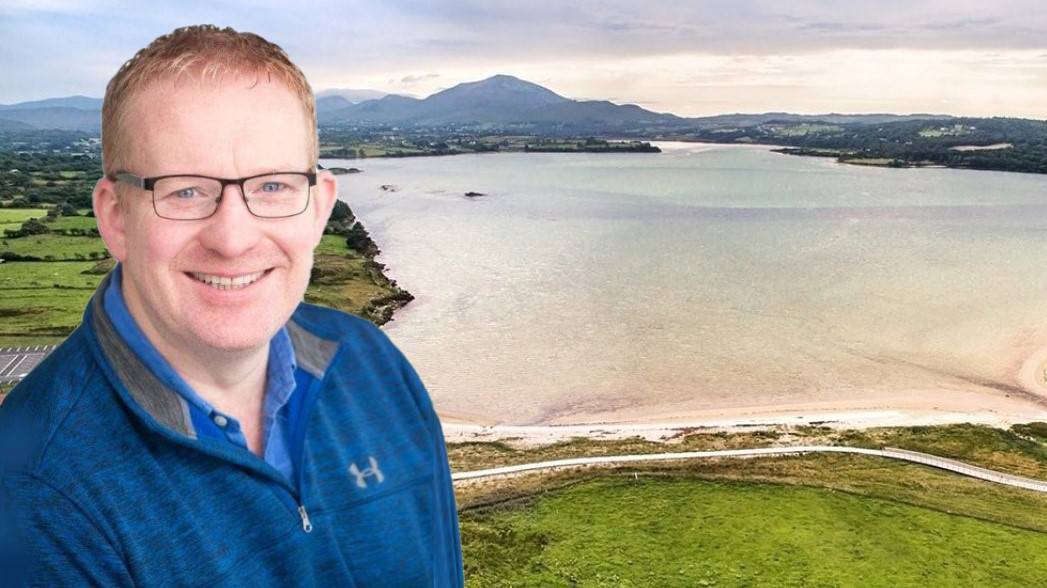
"It's not always easy to grow your career while prioritising yourself and your loved ones at the same time," reflects FMC Agro Ireland's Rory Lankford.
DELOITTE LEADERSHIP SERIES: Rory Lankford, Head of Site, FMC Agro Ireland
FMC Corporation, a leading agricultural sciences company, was born in 1883 when founder John Bean created an innovative insecticide spray pump to combat scale, an infestation that was ravaging California's orchards and endangering the livelihood of growers. In 2023, North America remains the company’s largest geographic market, with its solutions extending worldwide to Europe, Africa, Australia, India, Japan, South and Central America.
In response to Kevin’s opening question — “what does leadership mean to you?” — Rory outlined a number of scenarios where his management style and organisational guidance come into play. “Ultimately, leadership is about getting the best results and outcomes you can from the people, financial, process and technology resources that are available to you. In all of the roles I’ve had so far in my career, the biggest resource has always been the people and the team - nothing important gets done without the buy-in from your team, and that applies at any level, not just for me as Site Lead.” In addition, the role of leader is about setting a direction or strategy that people will accept and believe, and ultimately drive. “Ensuring there is an environment where people enjoy their work, have some fun and still have opportunities to develop their careers is important to give any strategy a chance of succeeding,” he says, adding that other resources such as processes and technologies will not work properly or improve if the people aren't happy or engaged. “So ultimately, leadership for me is about bringing the team on a journey they are willing to believe in and engage with.”
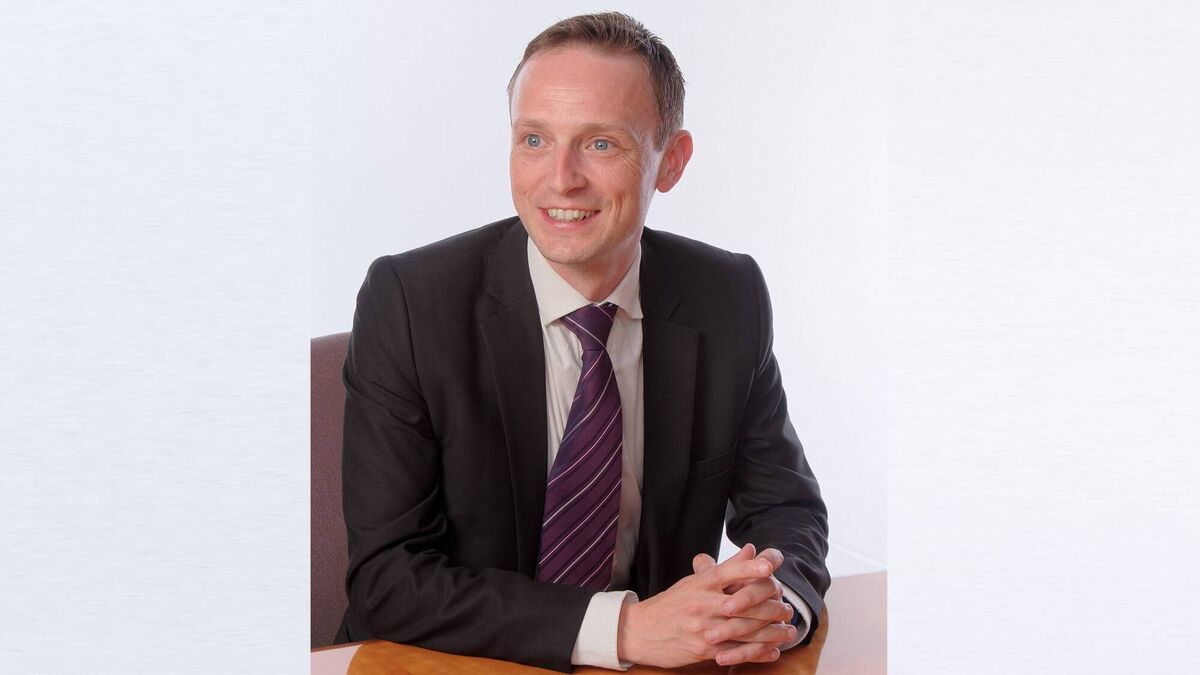
In a career marked by extensive financial and leadership experience in a variety of sectors, Rory Lankford has built a reputation as an adaptable and highly motivated leader with proven ability to determine strategic direction. Having worked with other multinational companies before joining FMC, Kevin enquired what was the biggest challenge and learning from this transition. “I was lucky that I had a long time to plan my next role as I knew nearly a year in advance that my previous role was ending.”
Having spent time looking for his next job and researching companies, he realised there many places where the culture and values were not aligned with his own: “I just wasn't willing to pursue roles there — that was my biggest learning.” Eventually joining FMC Cork, a Finance Centre of Excellence supporting FMC Companies in 92 countries, the biggest initial challenge was learning how things worked in the organisation.
“Going from always knowing who to call or email with a query to not knowing anyone was a big change,” he admitted. “But I was also struck by how similar things are in the multinational companies I’ve been lucky to work for. All have believed in ethical business practices, treating everyone — customers, suppliers and employees — with integrity and respect, concerned about their impact on the environment and committed to diverse, inclusive workplaces. These are my values now although it's not always clear to me whether I’ve picked companies and stayed with them because of their values, or whether the organisations themselves have helped mould me into who I am — I suspect it's a bit of both.”
Working in a demanding role for a global business, Rory readily agreed it can be difficult to strike the right balance to ensure the optimum performance. “This is a lesson I’ve learnt the hard way, unfortunately. It is not easy to find the middle ground between growing your career and delivering in your role, while at the same time ensuring your loved ones and your ‘self’ are also being prioritised.”
Like so many individuals operating constantly at a top level, career can take a toll on the other important areas of life. “I’ve had roles and periods in my career where I worked crazy hours to the detriment of other things. Don't get me wrong, I loved all the roles while I was in the middle of them, but you can get blinkered by the demands of a project, or the importance of a deadline. It is vital to find that balance.”
At his current stage, with three grown children, balance is more about finding time for exercise and rest and a focus on quality time, rather than quantity of time, with family. “For parents of younger kids, I think, that balance needs to include having time to share in parenting and to invest in your relationships. Nowadays, I exercise more frequently but with lower intensity, eat better and shut off the laptop and phone earlier. I really try to make sure I’m focused when I’m in meetings or completing tasks. But striking the right balance remains a work in progress for me.”
Referencing his own career trajectory, Deloitte partner Kevin asked how important culture is in creating a winning team and how is it best cultivated?
“Culture for me is about what happens when the manager isn't looking. How do we behave when we're left to our own devices? What attitudes do we display? Our values and culture might espouse teamwork and support for everyone, but if we don't all live it or walk the talk then it’s just words.”
Rory believes it is critical that leaders embody the team’s culture and that it is clearly authentic. “Teams will see through a leader who doesn't believe in what they are asking of their team.” He stresses, however, that the culture is cultivated by the behaviours of everyone on the team, not just the leader: “A winning team is created by the team, and the leader is only a part of it. She or he may be the driver at the beginning — but if everyone isn't aligned then total success is elusive. Winning teams become self-selecting and self re-generating,” he concludes. “New hires see very quickly whether the environment is one they will enjoy or not and commit or leave.”
To close this leadership discussion, Kevin asked what the most important piece of advice for somebody looking at taking on a senior leadership role for the first time. “Have a trusted network that you are actively involved in,” was Rory’s immediate response. “A mentor or coach or a former boss or more experienced colleague you can go to for advice and use as a sounding board. Additionally, a group of people in your organisation that you trust to get work done and help you create an environment that delivers. People that you can bring into roles in your expanded or new organisation if you need them.”
Their careers are also growing and evolving even if they are not as far up the ladder as your new senior leadership role is. “You also need your friends from school or college, previous jobs, or life that you can discuss things with. The people who are at the same stage in their career as you and likely dealing with the same new challenges.”
It is a process where you need to be open to being vulnerable or showing your own perceived weaknesses — but the payback is worth it. “It's rare that you’ll ever come across situations that no-one in your network has seen before. But you must be active and give that support too when your network asks it of you.”
As an additional piece of advice, Rory recommends having strong, experienced HR people in your corner. “They are invaluable for a leader!”