Ensure your reseed is value for money as input costs stay high
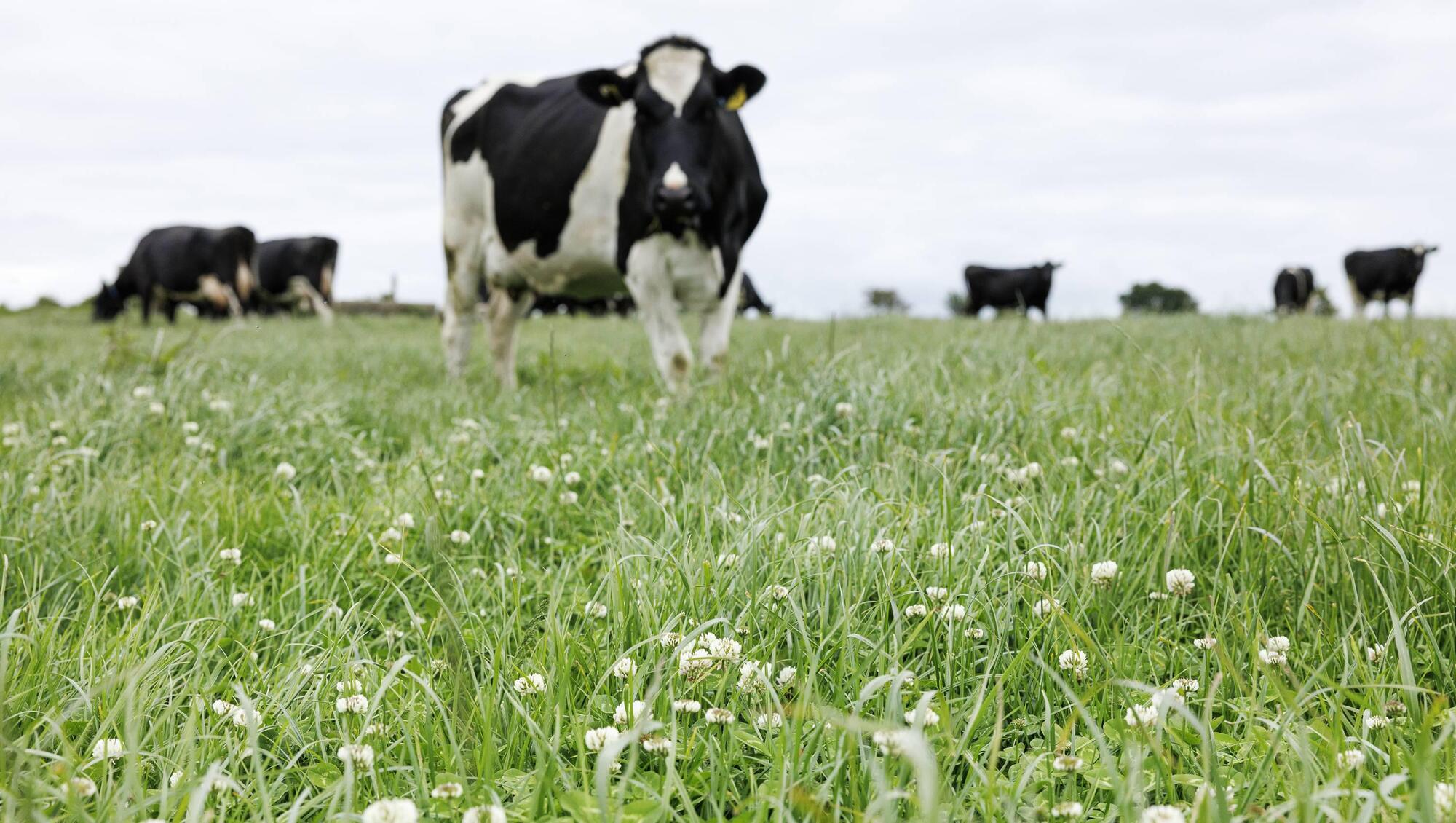
When considering whether to reseed this year, remember that thanks to advances in seed genetics, you’re not replacing like for like, you’re replacing with better, advises Germinal's grass expert.
Last year’s dry weather led to homegrown forage shortages on many farms, as the cost of bought-in feed and fertiliser remained high.
This perfect storm, coupled with a need to reduce environmental impact, means reseeding to produce high quality and climate smart forage is more important than ever for planet and for pocket.
Germinal grass and forage expert, Dr Mary McEvoy, explains how to make the most from this year’s reseed.
“Dry and cold conditions early in the year has hampered grass growth so far in March and this will be more apparent in older swards. Walk the farm weekly to assess the performance of your swards, to better spot these poor performers.”
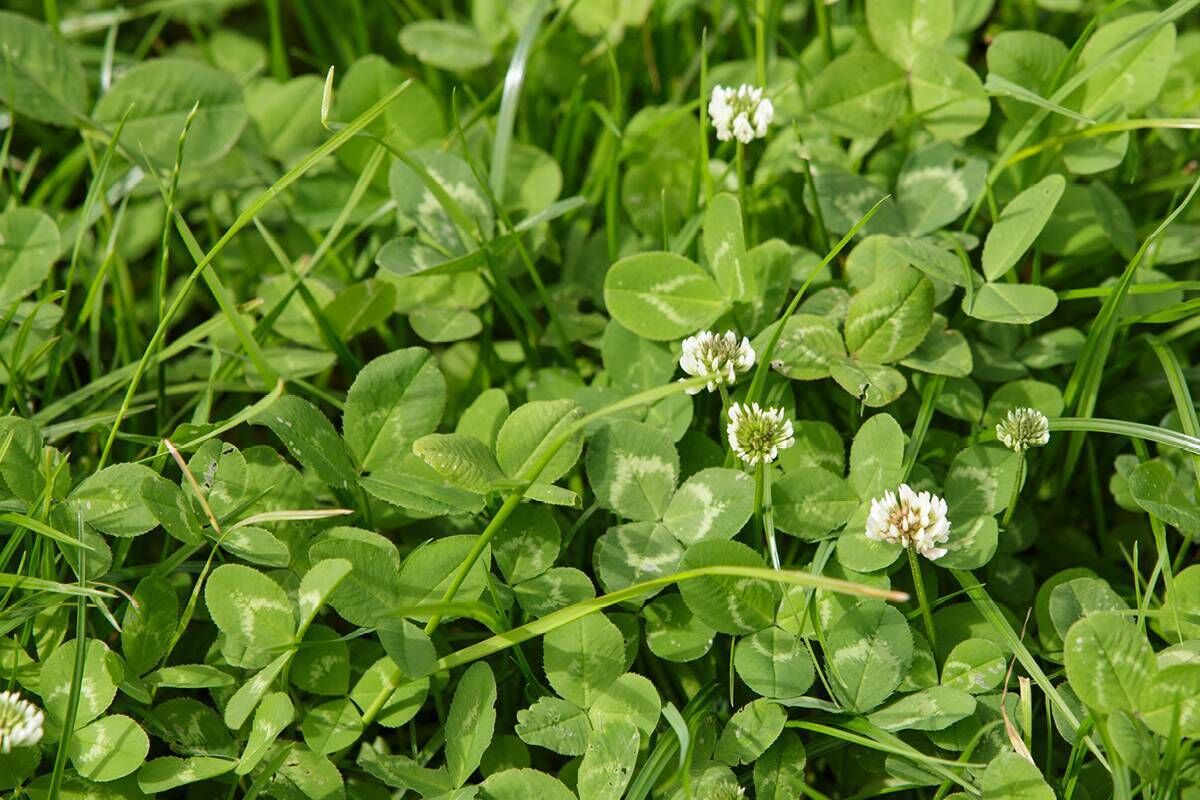
Other indicators of a poor-performing sward include:
- High weed burden (docks, thistles);
- Severe poaching or damaged ground;
- High levels of unproductive grass (e.g. meadow grass/bentgrasses);
- Slow regrowth and recovery in rotations;
- Poor nitrogen response;
- Drop in milk yield.
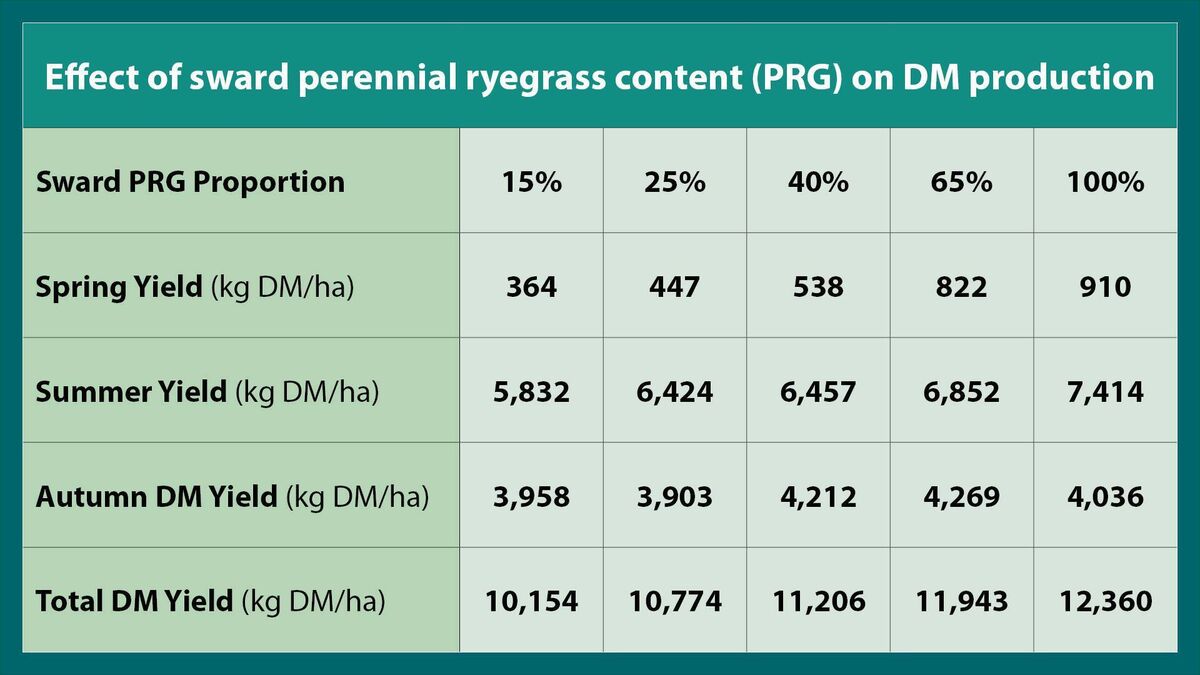
Dr McEvoy adds, “swards with a higher percentage of perennial ryegrass give a better response to nitrogen so are more efficient per unit of applied fertiliser. They also produce more dry matter. Therefore poor performing swards could cost you more in fertiliser and bought-in feed, than a newly reseeded pasture.”
“When considering whether to reseed this year, remember that thanks to advances in seed genetics, you’re not replacing like for like, you’re replacing with better. Use the latest plant genetics to drive grass production, rather than fertiliser.
“For the best performance, reseed with varieties rated highly on the Pasture Profit Index (PPI). The index gives you the economic value of the traits most important to grass production, combining productivity and profitability.
“Germinal varieties, including AberGain, AberChoice and AberBann, top every category within the index, with AberClyde remaining the best variety overall on the PPI.”
Add clover into the sward for production gains and species diversity
“Farmers with diverse swards reported good resilience in dry conditions,” continues Dr McEvoy. “This is due to the complementary species working together and improving overall sward performance.”
“Clover is an obvious choice to include, not just for diversity, but because of its nitrogen-fixing properties and protein levels. Sow clovers in warmer temperatures — typically from the end of April/early May until late July/early August. Nitrogen fixing requires 25-30% of the sward to be clover and once established will also fix nitrogen for the surrounding sward.”
Whilst a full reseed offers the best results, sometimes it isn’t practical, so white clover can be oversown into a grass sward and still help reduce fertiliser use.
“Oversowing white clover should be done in late April/early May or after a silage cut.”
Red clover is also a fantastic source of protein — particularly for silage — yielding 12-15 tonnes of dry matter/ha and a crude protein content of 12-19%.
“Cut three/four times per year at six-to-eight-week intervals. But, red clover requires wilting for up to 48 hours to maximise dry matter,” concludes Dr McEvoy.
For more advice on reseeding, visit: https://germinal.ie