New guidelines help parents and teachers team up in care of children with diabetes

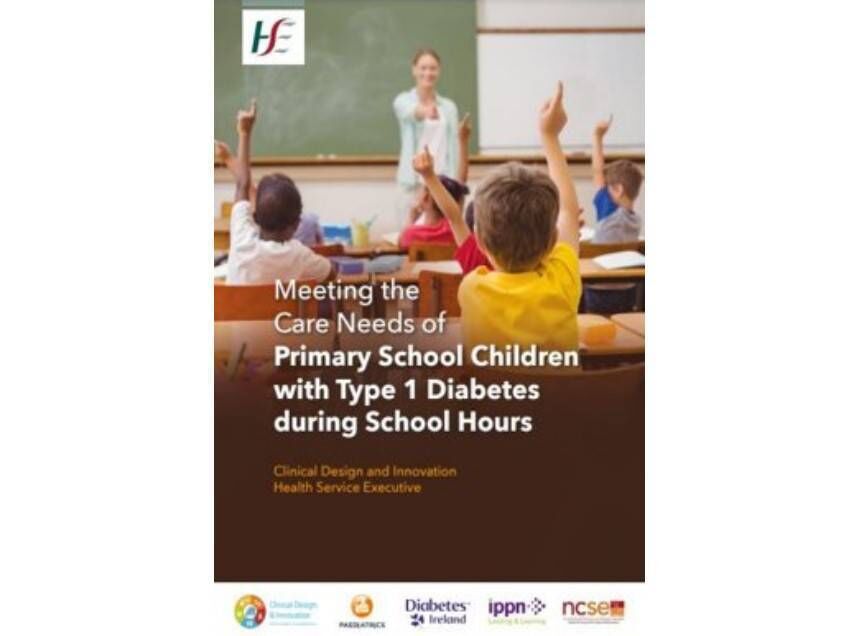
A simple diabetes care model for teachers: HSE's new ‘Meeting the Care Needs of Primary School Children with Type 1 Diabetes during School Hours’.
Parents of children with diabetes will be glad to hear they have more support for their back-to-school challenge — thanks to new type one diabetes care guidelines for schools.
As caregivers for children across all their needs, teachers have always been great allies of parents. Now, the HSE’s easy-to-follow guidelines are bringing added clarity for teachers on symptoms to watch out for and actions to take.
Professor Nuala Murphy, Consultant Paediatric Endocrinologist and National Clinical Lead for Paediatric Diabetes, says: "We hope that this guideline will improve communication between parents, school staff and diabetes teams and that it will be a helpful resource in maintaining the safety and diabetes control of the child with diabetes during the school day.”
School time for parents, children and teachers can be a fantastic experience, but it has its challenges if a pupil has or has only recently been diagnosed with Type 1 diabetes. Returning to school or joining a new class or school, in the beginning, it can be a bit stressful and busy for all involved.
Preparing for back to school means organising books, uniforms, school lunches and much more. For children living with diabetes, it also means managing or changing insulin regimes and thinking about blood glucose monitoring in school.
There can be an added concern for parents, as well as for the teachers if a child with diabetes is starting school for the first time or changing to a new class with a teacher who may not be yet familiar with diabetes or even moving on to post-primary school. The younger the child, the greater the involvement in care of school staff it is, often including Special Needs Assistants.
Knowing that it can be an anxious time for parents and children, as well as for the school staff, Diabetes Ireland has prepared some tips and tools to help all concerned with this challenge. It is important that parents/carers engage positively with the school, and ensure the teachers understand the condition and how they need to act, bearing in mind that they have other pupils to care for as well. Good written and verbal communication between parents and the school is key.
To improve the communication, the ‘Meeting the Care Needs of Primary School Children with Type 1 Diabetes during School Hours’ guideline has been released earlier this year.
New guidelines recently published by the HSE strongly recommends involving the child’s diabetes team early in the process and provides a number of tools and easy-to-follow actions to help school staff to understand Type 1 diabetes and the needs of their pupil.
The document sets out clear guidelines that will help structure the conversation and preparations between the family, diabetes team, and school staff. It explains diabetes and diabetes management to teachers and school staff, sets out clear lines of responsibility for all partners. It also helps to helps to determine the need for non-teaching support (Special Needs Assistance) and for the first time presents different levels of support needs for children with diabetes based on age and diabetes management skills.
As part of this very comprehensive document, a scheme of a is included, which can be a very helpful tool to agree on current diabetes management and needs of a child. This includes information such as personal hypoglycaemia symptoms, what to eat during hypoglycaemia, when to check glucose levels and deliver insulin. The school can have such a personalised ‘information pack’ handy for all their students who have diabetes.
Professor Nuala Murphy adds: "I hope that school leaders and every family of a child with diabetes will familiarise themselves with these recommendations and find the practical tools helpful in managing the care needs of children with diabetes during the school day.”
Diabetes Ireland was heavily involved in the development of this document.
"We are delighted, that after years of preparation and the involvement of many people, the document has been launched. Parents of children with diabetes, teachers, SNAs call us frequently for support and advice. This document will be a tremendous resource for everyone in ensuring the safety of the child and their happiness in school," highlights Dr Kate Gajewska, Diabetes Ireland Research and Advocacy Manager.
Diabetes Ireland has developed a resource for parents and teachers on their website https://www.diabetes.ie/living-with-diabetes/child-diabetes/school-and-diabetes/ where the Meeting the Care Needs of Primary School Children with Type 1 Diabetes during School Hours document can be downloaded, and with and find lots of useful information on caring for a child with diabetes in the classroom.
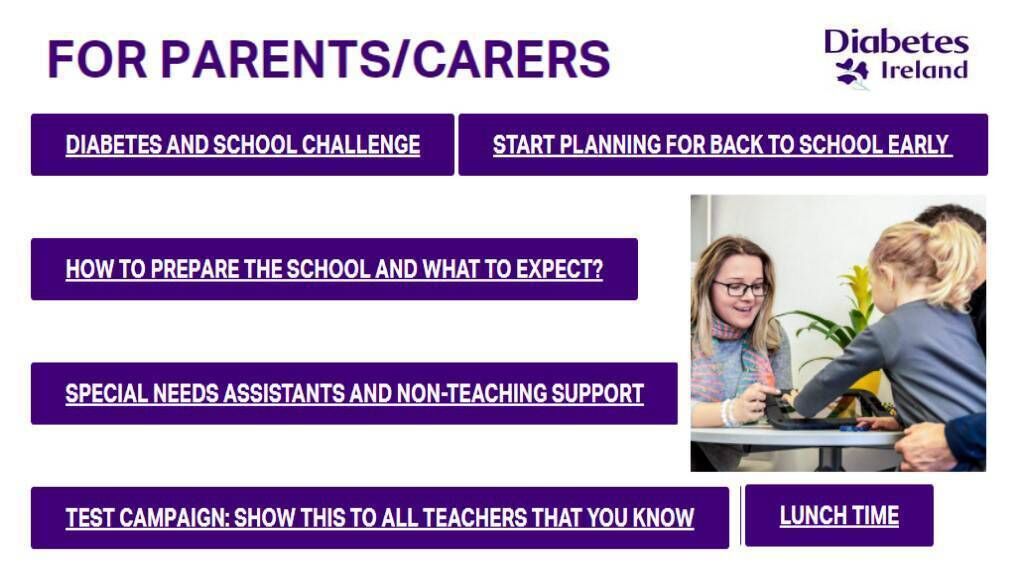
There are separate sections for parents and carers, and for the teachers and school staff.
The first one includes tips on how to start planning for back to school early, explains how to prepare the school and what to expect, provides information on special needs assistance and requires non-teaching support, gives tips on healthy lunchtime snacks, and how to support the child from the mental health and well-being side.
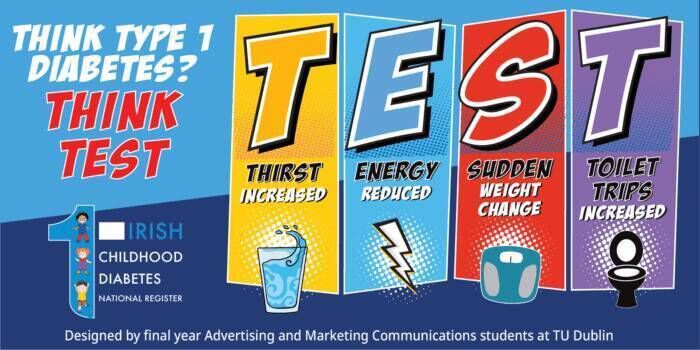
In the section for teachers, SNAs and other staff educational materials about type 1 diabetes, hypo- and hyperglycaemia and diabetes management are provided, as well as information on how important it is for their mental health and well-being to be included in the school-life.
This section provides tips on what can schools do to support the child and their family, explains how to determine the non-teaching support. All the information is in line with the HSE guidelines.
Article sponsored by Clonmel Healthcare and 4SURE.