Identifying cows at risk of ketosis in early lactation
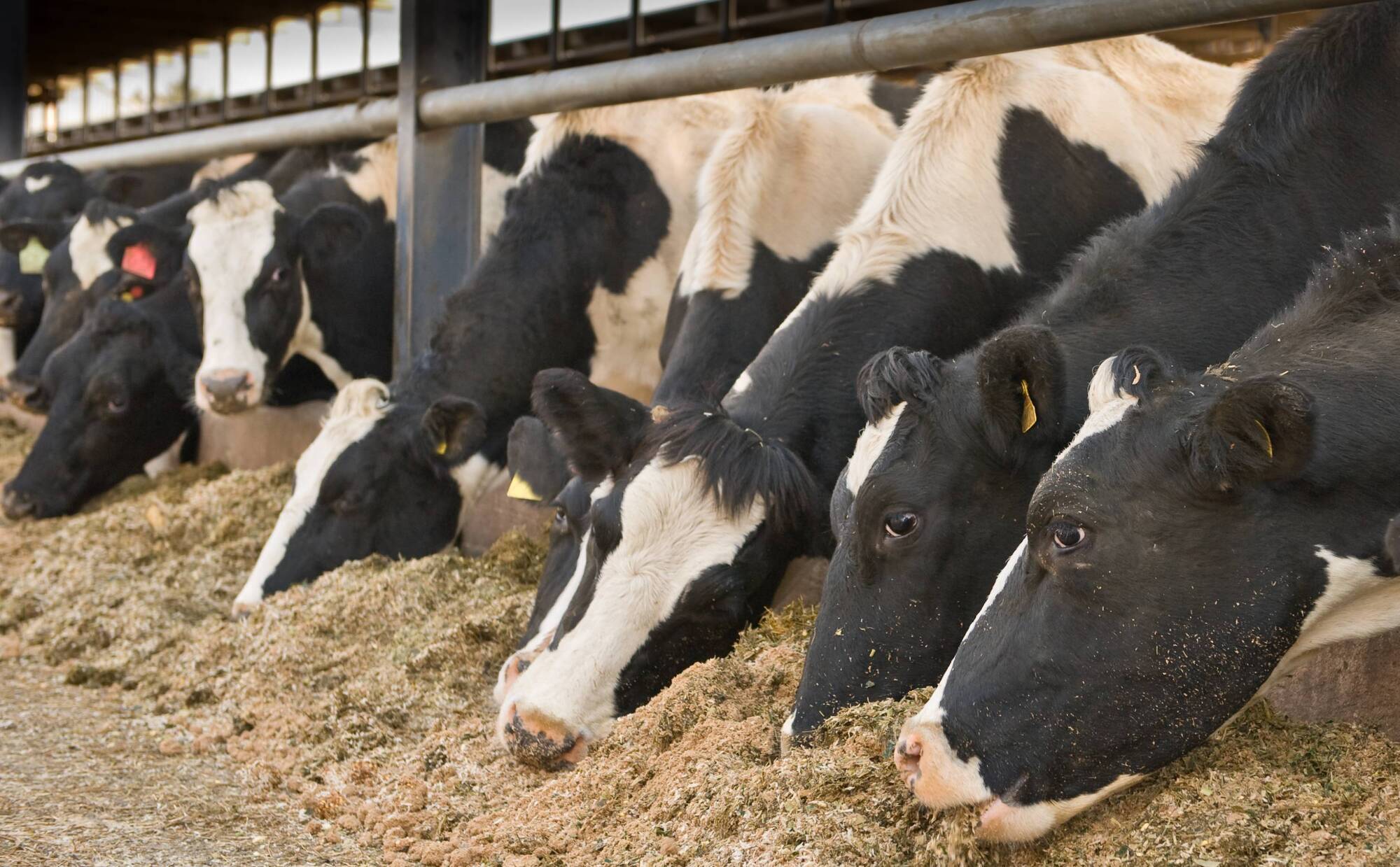
Any cow with additional energy needs, such as high-yielders, those carrying twins or with any disease or inflammation will be at risk of ketosis.
Ketosis is a common metabolic disease in dairy cattle and occurs when the animal’s energy intake fails to meet its needs and the cow begins to draw from her body reserves in a continuous state of negative energy balance (NEB).
Some degree of NEB is relatively normal in recently calved cows, but the extent to which it occurs and how long it lasts are key factors in how the cow transitions into productive lactation.
“Essentially, ketosis occurs when the metabolic processes in the liver are being overwhelmed and ketones are produced. Unfortunately, elevated levels of ketones in the blood, urine or milk result in a suppression of the cow’s appetite, creating a vicious circle that results in weight-loss and a drop in milk yield,” explains Maura Langan, Norbrook veterinary adviser.
As well as elevated ketone levels, cows with ketosis can display clinical signs of the condition. Clinical signs include dullness, reduced feed intake, reduced milk production and may include behavioural changes such as excessive licking or aggression as well as staggering.
“Clinical ketosis is often the tip of the iceberg, and in many herds we find that a greater number of cows are suffering from the subclinical form of the disease. Studies have shown that reduced milk yield, lower milk protein production, increased prevalence of LDAs and ultimately reduced fertility are all associated with subclinical ketosis, so farmers should really be aware of the impact it can have on the productivity of their herd,” adds Ms Langan.
Body Condition Score (BCS) at calving is a key determinant of ketosis risk. Fat cows with a BCS of ≥3.5 have reduced late dry period / early lactation feed intake predisposing them to ketosis. Farmers are encouraged to body condition score regularly with a BCS of 3.0-3.25 at calving being the target.
While the risk of ketosis is greatest in fat cows, thin cows are also susceptible. Any cow with additional energy needs, such as high-yielders, those carrying twins or with any disease or inflammation will also be at risk of ketosis.
“Where possible, farmers should identify ‘at risk’ cows in the weeks prior to calving and remain vigilant in the first couple of weeks of lactation, as even correctly conditioned, low-risk cows may be susceptible if stressed – for example, following a caesarean, a difficult calving or a case of milk fever.”
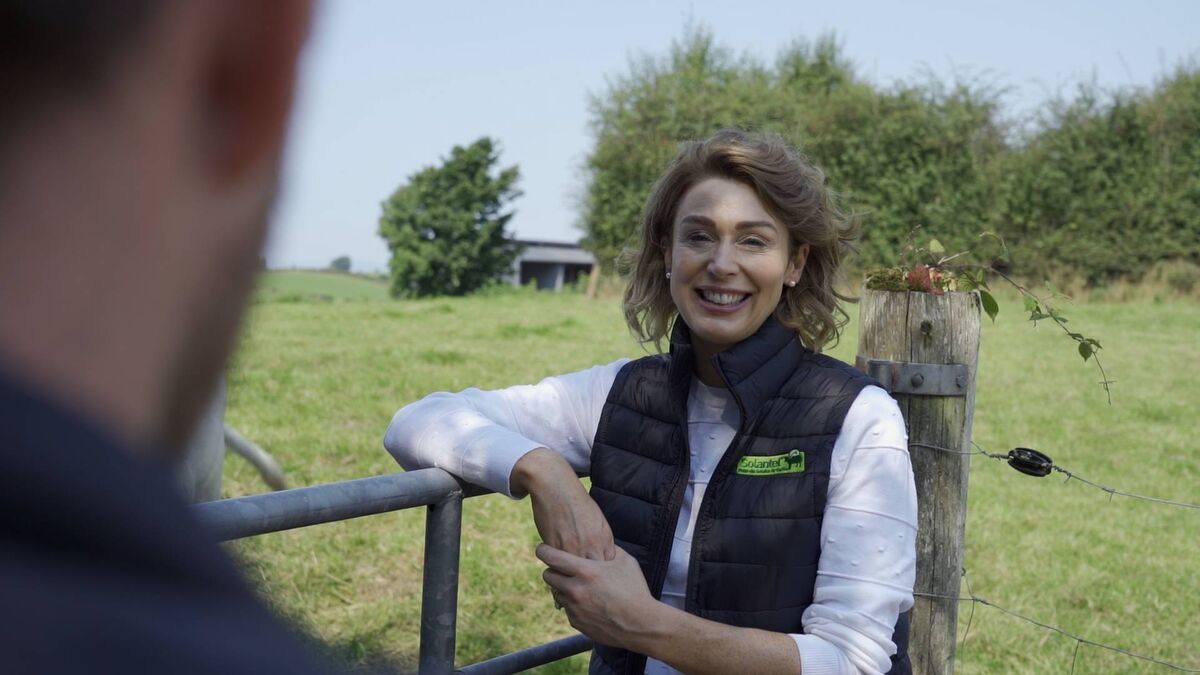
Treatment of ketosis is aimed at reestablishing normal glucose levels and reducing serum ketone concentrations. By breaking the cycle of ketone production, appetite recovers and the animal’s voluntary intake begins to meet her energy requirements.
Treatment can include veterinary intervention through the administration of intravenous dextrose and possibly steroids to stimulate glucose production in the liver. For the most part, treatment of ketosis centres on the provision of glucose precursors in the form of glycerol, propylene glycol or propionates.
“Norbrook has introduced a bolus called Ketonor+ that contains propionate as a source of glucose for at-risk cows and also contains vitamins A and E, selenium, niacin, cobalt and yeast to support the liver, rumen and immune system.
“Two Ketonor+ boluses given to ‘at risk’ cows will provide a readily available energy sources right when it is needed. This helps breaks the cycle of ketone production and helps her to want to start eating again.
"Ketonor+ is cost-effective, does not contain antimicrobials, has no withdrawal period and is easy to administer in busy seasonal calving herds.” “Although ketosis is usually seen during very early lactation, it can occur any time that the cow experiences NEB. Ketonor+ can be used as a supportive therapy in sick or convalescent cows that are at risk of ketosis alongside non-steroidal pain relief and antibiotics, where deemed appropriate by your vet,” concludes Maura Langan.
For more information about Norbrook’s range of Transition Cow products:
- Speak to your vet;
- Agri merchant;
- Visit Norbrook.com;
- Always seek advice specific to your farm.