On the Farm — springtime really is fun time for children
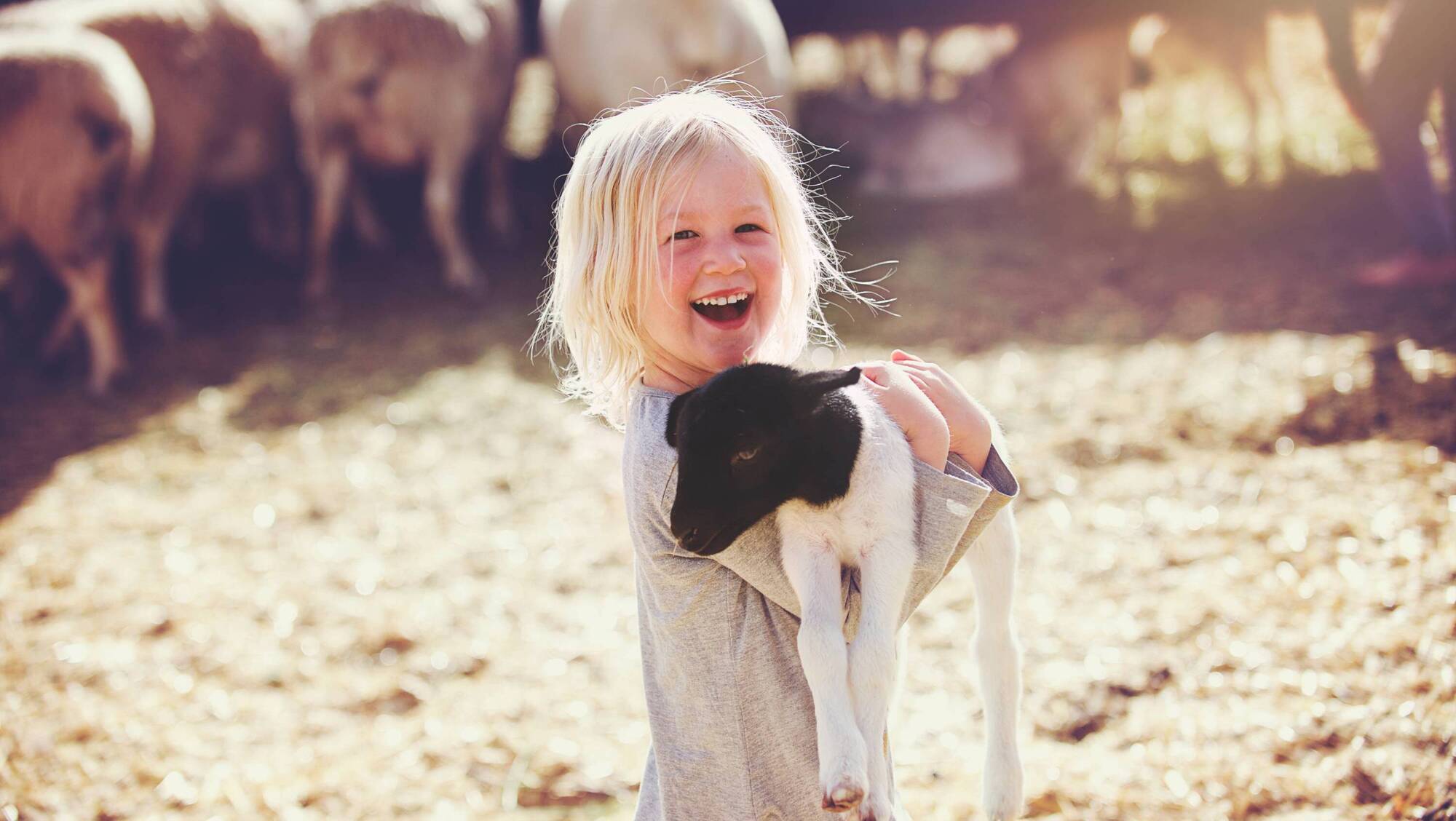
Fun Farm Fact: Did you know that ewes recognise their own lambs by their smell and sound?
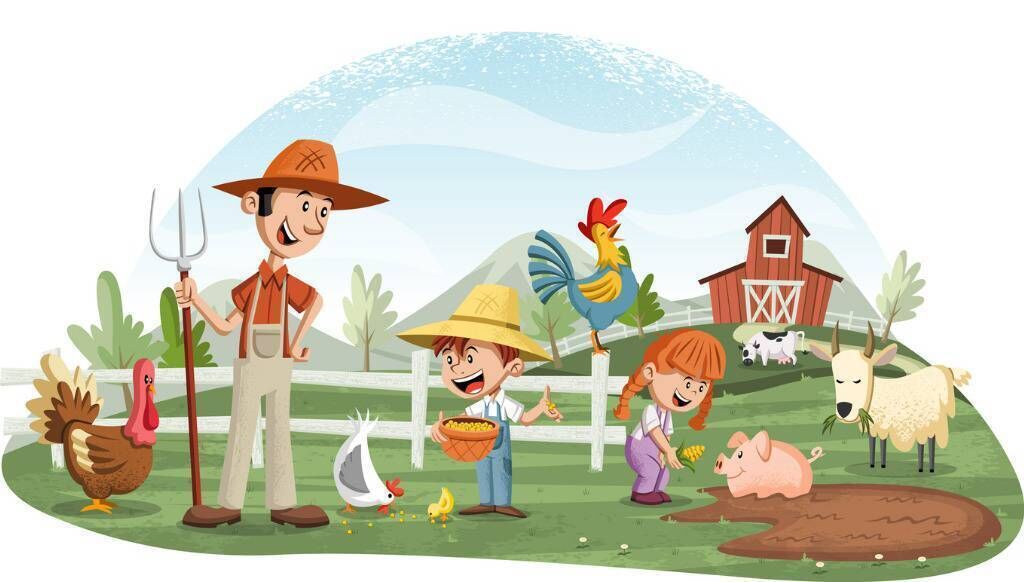
In the coming weeks, farms all over Ireland will ‘spring’ into action.
In sheds, (female sheep) are lambing, cows are calving and (female horses) are foaling.
In fields, farmers are ready to feed and nourish the grass with slurry and fertiliser. This will grow the grass for grazing, hay and silage production. Tillage farmers are also preparing the ground by ploughing the soil to get ready to sow spring crops.
Calving is in full swing come early February. If it’s the animal’s first time to calf they are called , once they calf we call them cows. Much like humans cows are pregnant for just over 9 months (283 days), once born they will lick their new arrival to help with their breathing and to say ‘hello’.
Normally within one hour the calf is standing, walking and taking its first drink of milk, called . This first milk is high in nutrients and antibodies which gets the new calf off to a healthy start.
In January, sheep farmers are getting ready for lambing. A ewe is pregnant between 145 – 152 days (half the time of a cow) but, unlike cows, is likely to have more than one baby. In fact, most ewes will have one or two lambs. Sometimes the ewe has more, and in these cases the lambs can be fostered / adopted by another sheep. Ewes can only feed two lambs at a time.
Lambs will feed from their mums for about 14 weeks.
Did you know:
- There are over 3.5 million sheep in Ireland.
- Farmers tell the age of their sheep by counting their teeth.
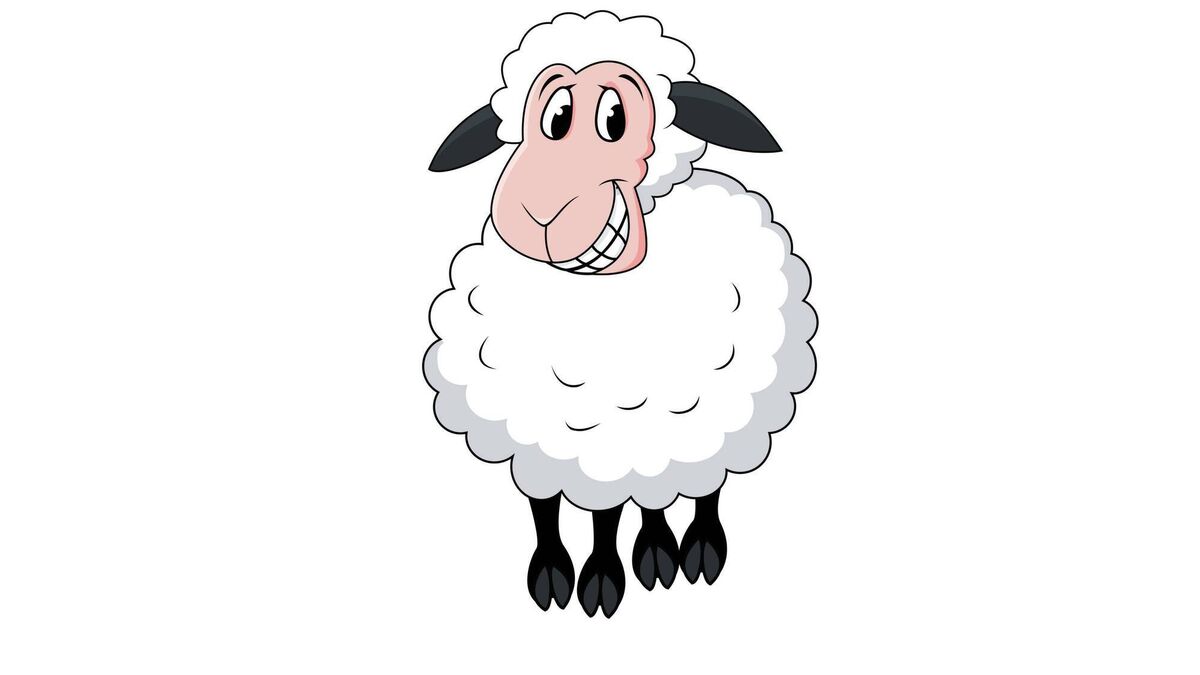
Sheep provide wool, meat and milk which is often used for making yoghurts and cheeses such as feta and Roquefort.
Farmers will trim sheep’s hooves to prevent lameness. To protect sheep against maggots, (flystrike) and other harmful parasites in the summer months they are dipped in a liquid mixture called ‘sheep-dip'. Also to protect them against the hot weather, their fleece is shorn.
Why is it dangerous for a sheep to roll over on its back?
Being pregnant or having a heavy fleece can be a heavy load to carry. If they roll over on their back it is very hard for them to get back up. This can be fatal for the poor sheep as they can suffocate and they are also vulnerable to bird attacks. If you spot a sheep on its back tell the farmer!
Dog attacks during lambing season have become all too common. All dogs should be microchipped and under control when out walking. Teagasc reported that up to 400 dog attacks happen every year, (2019)
Slurry is a natural fertiliser produced from the wee and poo of cows and other animals such as pigs and chickens. It’s a fantastic source of nutrients that farmers use to help their grass grow.
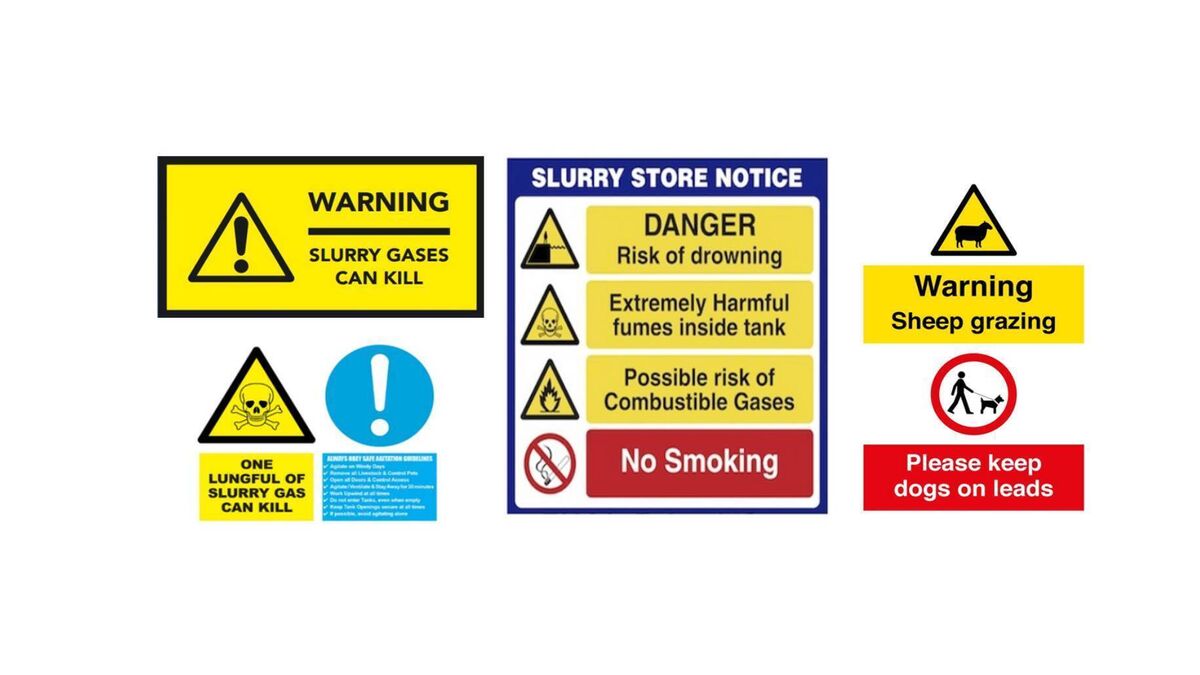
Slurry is not spread in winter and is stored in tanks and pits. During this time it decomposes and is broken down by bacteria. This process produces gases, one of which is the very toxic, , at low levels, it smells like rotten eggs. At high levels, it is extremely poisonous and can take away your sense of smell making it undetectable.
(mixing) slurry releases this gas. The first 30 minutes of agitation is the most dangerous as a large portion of the gas is released at once.
- Do not stand near the agitation area.
- Stay away for at least an hour.
- Agitate on windy days.
- Remove all animals from the shed.
Did you know a cow is considered the most dangerous animal and causes the most livestock accidents. All animals with their young can be very protective and aggressive, even an animal that is normally considered quiet. Farmers must be extremely careful and always on the lookout.
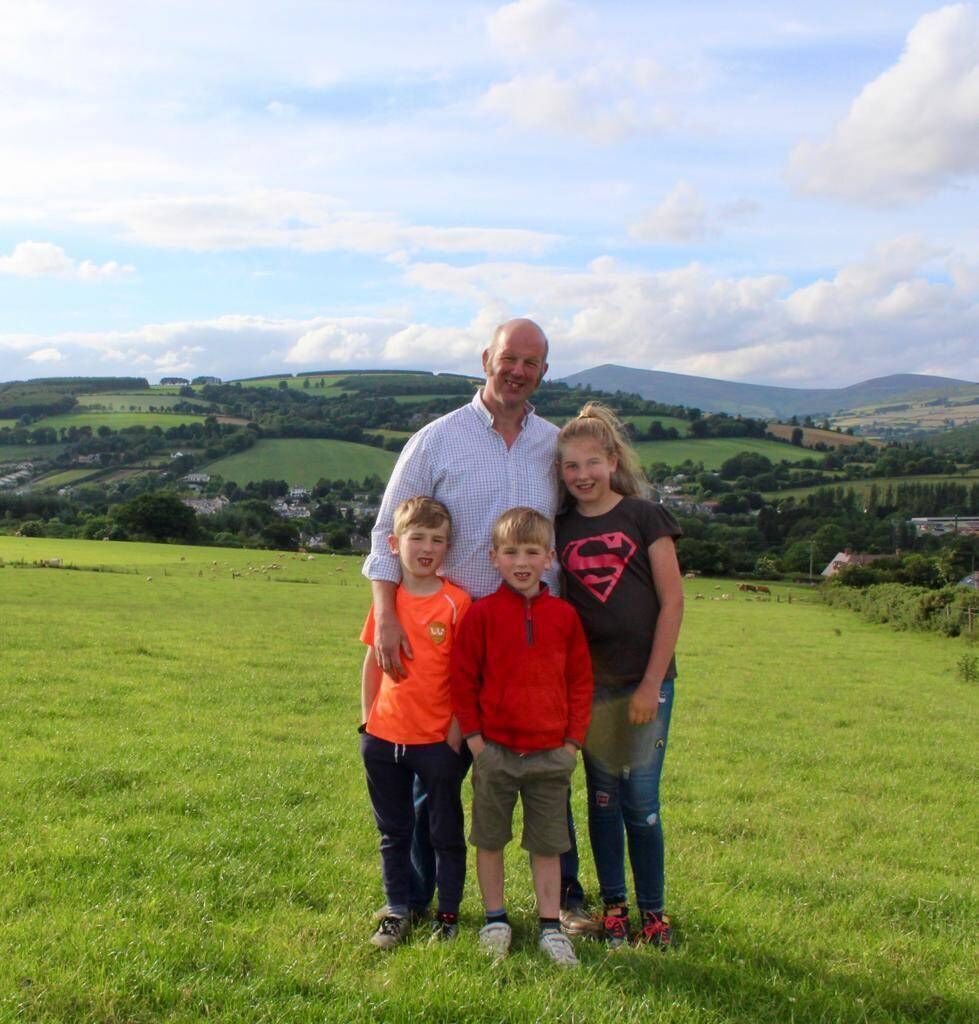
We run a grass-based cattle and sheep farm, known as a dry stock farm. We have spring calves (beef suckler) and our ewes lamb in March.
Since 2001, but I have been helping out on the farm ever since I was 'knee high to a grasshopper'.
Farming is interesting, challenging and at times frustrating but the rewards outweigh the negatives.
It has many skills. One day you are handling livestock, then you’re a plumber and a mechanic (all before lunch).
The next day you could be out on the land checking soil, planning a new hedge or building a stone wall.
Every day is different but every day is a school day no matter how many hours you have on the clock!
Calving and lambing are just around the corner so we are getting sheds ready and making sure fences are stockproof. Nothing is as frustrating as animals breaking out. Even with good fences a ewe has been known to be a magician and reappear somewhere else!
Has to be spring with new life happening on the farm and in nature. Calves born and taking their first suck (drink), their tails wagging like an excited dog. Lambs playing in the evening sun, newly sown crops peeping through as well as hedges and trees with their fifty shades of green, exploding. Spring is truly magical.
The downside has to be seeing an old friend be it a cow, bull or a ewe that has to be moved on because of old age or when a sick animal doesn’t make it. You feel as though you have failed them. At these times I have a lump in the throat and a tear. I take a walk to compose myself, after all we are still human.
To be a farmer follow your heart, you may not be a millionaire but you will meet and work with fantastic people. Farming is so diverse, truly from farm to fork the opportunities are limitless! Most importantly not only do our animals need to be fit and healthy so do we.