The EV grin: Your ultimate guide to electric vehicles

Don't drive to extinction, drive electric!
The SEAI is helping dispel some common misconceptions that electric vehicles (EVs) are more hassle than petrol or diesel vehicles, whilst also reminding us that EVs are more advantageous to both your pocket and the environment.
Speaking to Shane Prendergast, the SEAI Programme Manager for Electric Vehicles, he answers all the pressing questions around switching from a petrol or diesel vehicle to an EV.

BEVs are fully electric vehicles that are refuelled by plugging into an electrical source. This allows the vehicle to access the renewably generated electricity on Ireland's national electricity grid. SEAI refers to this as "plugging into the wind." A BEV does not have a tailpipe but instead has a plug for refuelling and an electric battery pack for storing the electricity fuel source. As a BEV has no tailpipe, there are no CO2 emissions and with that comes added health benefits as there are no toxic emissions.”
A plug-in hybrid electric vehicle is a combination of an internal combustion engine (ICE), an electric motor and an electric battery pack. This type of car has a plug and petrol or diesel fuel tank so there are two ways to fuel up. The battery pack on this type of EV is much smaller compared to the battery electric vehicle. “With this vehicle, you have the benefit of a fully electric mode but with the backup of your petrol or diesel engine.” Most PHEVs can achieve a fully electric range of 40-60km per single charge.
A hybrid electric vehicle is a type of hybrid vehicle that combines a conventional internal combustion engine system with an electric propulsion system. The presence of the electric powertrain is intended to achieve either better fuel economy than a conventional vehicle or better performance. “There is no plug with this one as the battery pack is charged by the petrol or diesel engine.” The range of the battery pack is normally about 6 or 7 km.
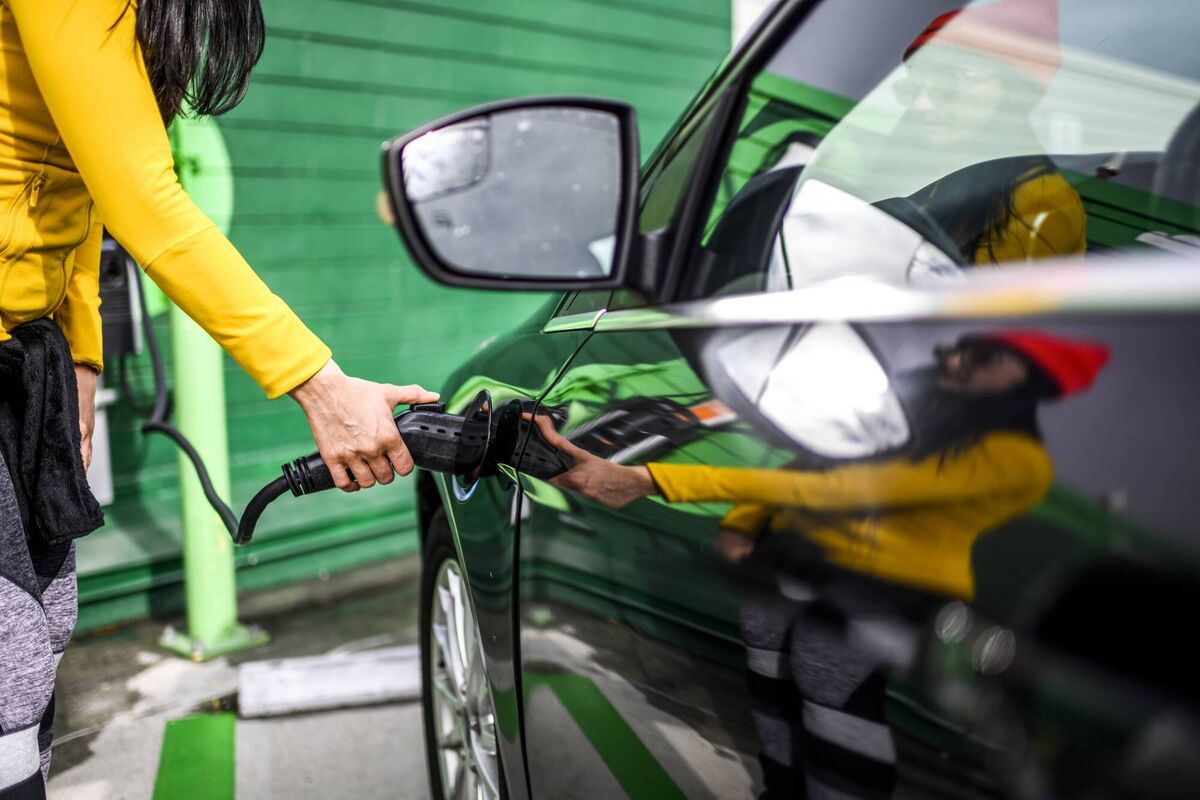
“There are a number of benefits to driving an electric vehicle,” said Shane.
“If the car has a plug then you can use the wind – the local fuel”. As our electricity system is connected to more and more wind generation (on average 40% of our electricity is generated from wind each day and this can often be higher at weekends, then every time you plug in the car you are using more and more renewable energy.
A fully electric vehicle has no tailpipe meaning there are no emissions, CO2 or toxic emissions, which improves the air quality when the vehicle is in use compared to an equivalent ICE. “There are a lot of health benefits here to yourself and people around you. Different countries are introducing emissions-free zones, meaning you can bring your electric car there too.” Another environmental benefit is that there’s no noise with an EV. This leads to a more stress-free drive. That brings up dangers to pedestrians but EVs are now being fitted with a low emitting noise when they’re at low speed.
“What we’ve found in our research in SEAI is that consumers who are looking to buy a new vehicle are putting too much weight on the upfront capital cost. When you’re looking at vehicles you need to look at the lifespan of the car itself. With an electric vehicle, you could save up to 80 per cent on your annual fuel bill by switching to an EV”. You also have a lot lower maintenance costs because there is a reduced amount of moving parts in an EV compared to a petrol or diesel engine. Over the lifespan of the vehicle, EVs provide as much if not more value when compared to petrol/diesel vehicles.
There are a number of generous incentives out there that you can avail of.
- For example, at SEAI they offer a home charger grant where you can receive up to €600 towards the purchase and installation of a domestic charging unit.
- For fully electric vehicles there’s also VRT relief in place. In 2020 EVs were being taxed at a fourteen per cent levy, from 1st January 2021 that tax has been reduced to a 7 per cent Levy. “That represents a massive saving. It makes an awful lot of financial sense to switch to an electric vehicle. When comparing an electric vehicle to a petrol/diesel vehicle, you need to look at the total cost of ownership, not just the upfront price.”
- EV’s can avail of the lowest rate of motor tax.
- There’s also a generous toll incentive of a 50 per cent discount on tolls around the country. That’s capped at €500 savings a year for a private user and €1,000 savings per year for a commercial user.
- The price of the battery pack in the vehicle keeps the price high but over the last decade, the price of an electric battery pack has reduced by 89%, “that’s going to keep reducing as these vehicles become more mass market and that’s going to lead to EVs hitting that price parity mark with the petrol and diesel vehicles. They’ll soon become cheaper. If you couple that with the carbon tax increases that will be introduced, it makes perfect sense to switch to an electric vehicle today.”
“People argue that there’s more hassle involved with an EV, I would have to argue the contrary.”
With a petrol/diesel vehicle, you have to go to a petrol station, fill up the tank, whereas with an EV you can avail of the SEAI home charger grant at your domestic dwelling, from there you can plug it in overnight while you sleep and it's fully charged for you when you wake up, “I always compare this to charging a smartphone, it’s the exact same thing. It’s more convenient to have an EV."
The driving performance of a diesel/petrol vehicle is quite loud with vibrations. An EV is smooth and the journey is smooth, quiet and relaxing.
“If you haven’t yet, go take a test drive, the difference we find in people before and after driving an EV is phenomenal. After a test drive, they’re enthused, excited and have a big smile on their face from ear to ear. We refer to that as the EV grin.”
Visit drivingelectric.ie to book a test drive today.
“A lot of people would have reservations around EVs and how suitable they can actually be for their own driving experiences, styles and journeys. But Irish people overestimate the distance they drive each day.” On average, the majority of Irish people drive 50 km or less in a day, “which makes EVs a perfect solution for them."
Five or six years ago the range of EVs was much lower (around the 150km mark), but as they become more mass-produced and as technology advances, the range increases dramatically. “Most EVs, if not all of them, that are coming into the market will achieve a range of between 300km and 500km. Manufacturers are teasing us at the moment, saying that they’re looking at producing vehicles that will reach up to a 700km range."
“The public charging infrastructure network does need to be improved and expanded but there is a lot of action happening there at the moment. At the minute there are just over twelve hundred public charging points set up around the country. But through the Climate Action Fund, there are a lot of government funds going towards expanding and improving that network,” this in addition to a business incentive to build more charging points means that “there will be a vast increase in the number of charging points.”
- Home charging - plugging your car in at home. The cheapest method. They usually provide three to seven kilowatts of charging.
- On-street charging, charging capacity of 22 kilowatts.
- Destination charge points – bed and breakfast’s, shopping centres, a similar level of charging to on-street chargers.
- Rapid charging - From 50 kilowatt up 350-kilowatt charging points out there. From empty to 80 per cent in twenty to forty minutes depending on the rate of charge. “If it’s 350kw your car could be charged in five to ten minutes. (Cost depends on the charge point provider)
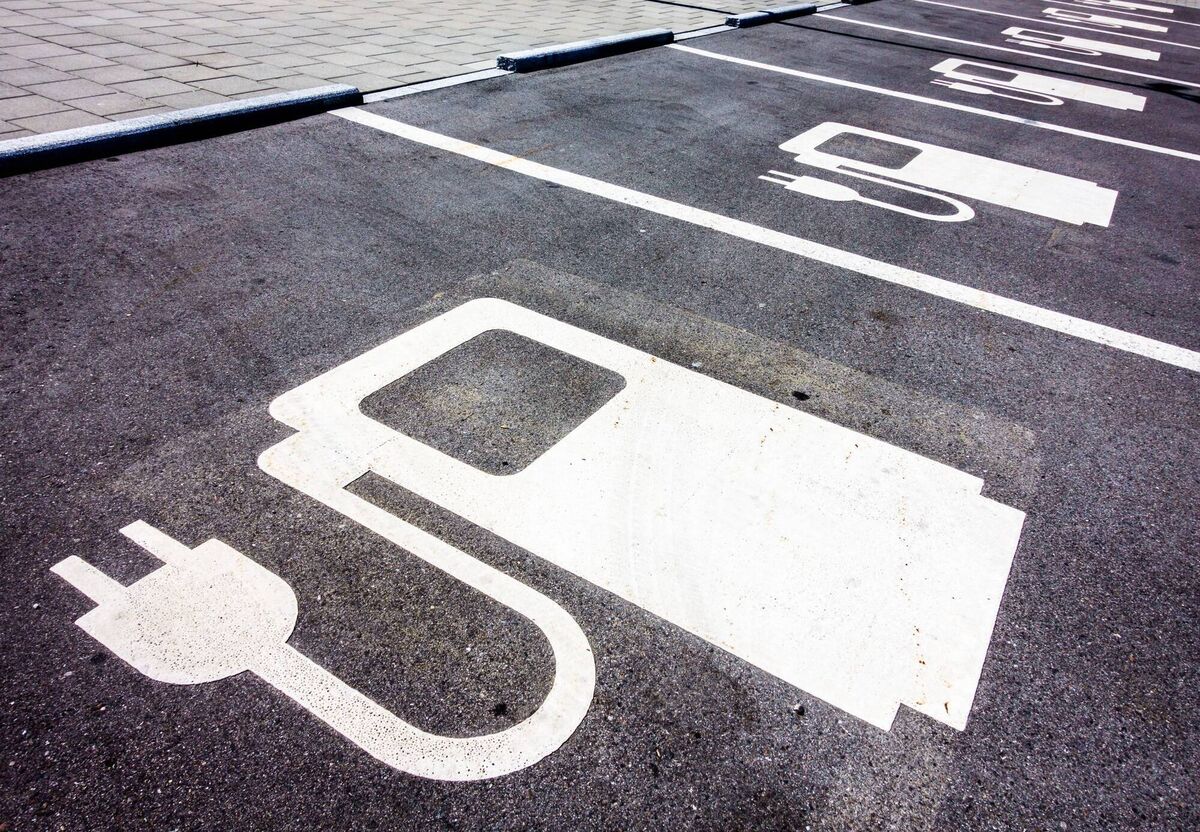
The cost of installing a home charger depends on a number of factors such as how far you are away from the fuse board, meter box and so forth. “On average, it's somewhere between the region of €900 and €1200 and we (SEAI) provide a grant of up to €600 towards it.” You can charge your car from empty to full, which would cost between €3 and €6 per charge. As batteries get bigger it could be up to €9. But compare that to a petrol station with an empty tank, you might be paying around €70 or €80 to fill your fuel tank, “The savings are phenomenal.”
For more information or to book a test drive today visit drivingelectric.ie