Lights, camera, action: Global spotlight on Farm Zero C
Smile, you're famous: “We’ve been blown away by the interest and enthusiasm in Farm Zero C – from dairy farmers to all the scientists we’ve approached, and now wide interest from overseas partners."
A third of Ireland’s greenhouse gas emissions currently come from the agriculture sector so there is an urgent need to reduce emissions produced by farming, while not impacting production or profitability, to ensure a secure future for Irish farming and farming globally.
Carbery, in partnership with BiOrbic, the national bioeconomy research center, is spearheading a project to explore and investigate the feasibility of creating a climate-neutral dairy farm. The project – called Farm Zero C – brings together a group of academic and industry experts in a world-first attempt to come up with a farm-level solution for a global problem. The interdisciplinary program of work is targeting soil and grassland; animal diet and breeding; biodiversity; life cycle analysis; and renewable energy. It is also considering business models and planning to ensure all proposed interventions are commercially viable. In addition, the project is looking at the potential for carbon trading to be integrated within a low emission farm model.
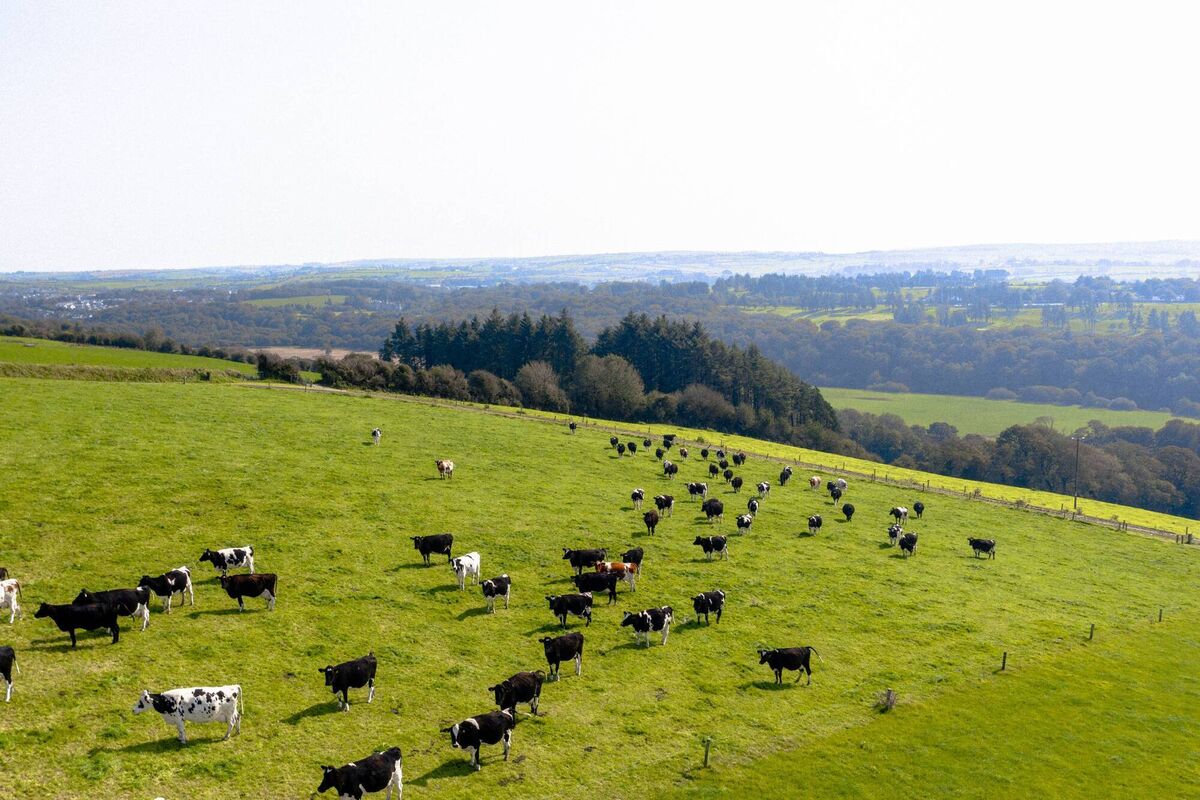
Shinagh Farm, owned by the four West Cork co-ops, is the site of the project. The farm is an intensive, highly stocked commercial farm which will allow the project team to prove that a new sustainable business model for farming is possible: if it can be done at Shinagh, it can be widely applied anywhere. The changes will be implemented on the farm and evaluated and compared with benchmark data to evaluate the impact each step can make in reducing emissions.

Enda Buckley, who is spearheading Carbery’s efforts on the project, said: “One of the first things we did, in May 2020, was to plant multi-species swards to gather evidence that grassland and better soil management can help absorb carbon. Other activities that have happened in Shinagh throughout 2020 include extensive habitat mapping of the farm (to measure biodiversity levels and set targets) and soil carbon levels have been measured throughout the farm.
"We have also carried out Life Cycle Assessment, which maps and quantifies the total inputs and outputs of the farm in terms of emissions. There have also been feed trials to experiment with reducing methane emissions. Depending on funding this year, we would also hope to install solar panels and trial other technologies.”
The project has already secured €200,000 seed funding from the Science Foundation Ireland Zero Emissions Challenge which seeks to support disruptive solutions that accelerate progress towards net-zero greenhouse gas emissions in Ireland by 2050 and the team is now competing for additional funding of up to €3m. Final project submissions have been made for that competition and the results should be known soon.

In addition to seeking support under the SFI challenge, the project team has also just completed an application for funding under the EU’s Farm2Fork strategy, which is at the heart of the European Green Deal aiming to make food systems fair, healthy, and environmentally friendly.
This application is an even more ambitious undertaking that involved coordinating 21 consortium partners across nine EU member states. The outcome of this funding application should be known by June 2021.
If successful, it would allow the project to be scaled up quite significantly, with additional supports for integrating new technology and science approaches, as well as concurrent trials for climate-neutral approaches on beef and tillage farms across Europe.
This application maintains Farm Zero C as a farmer co-operative-led project, with three dairy farmer cooperatives, involving over 7,000 farmers, with strong links to beef, processing over 3.3 billion litres of milk, and reaching 20 million domestic customers annually and 160 countries worldwide.

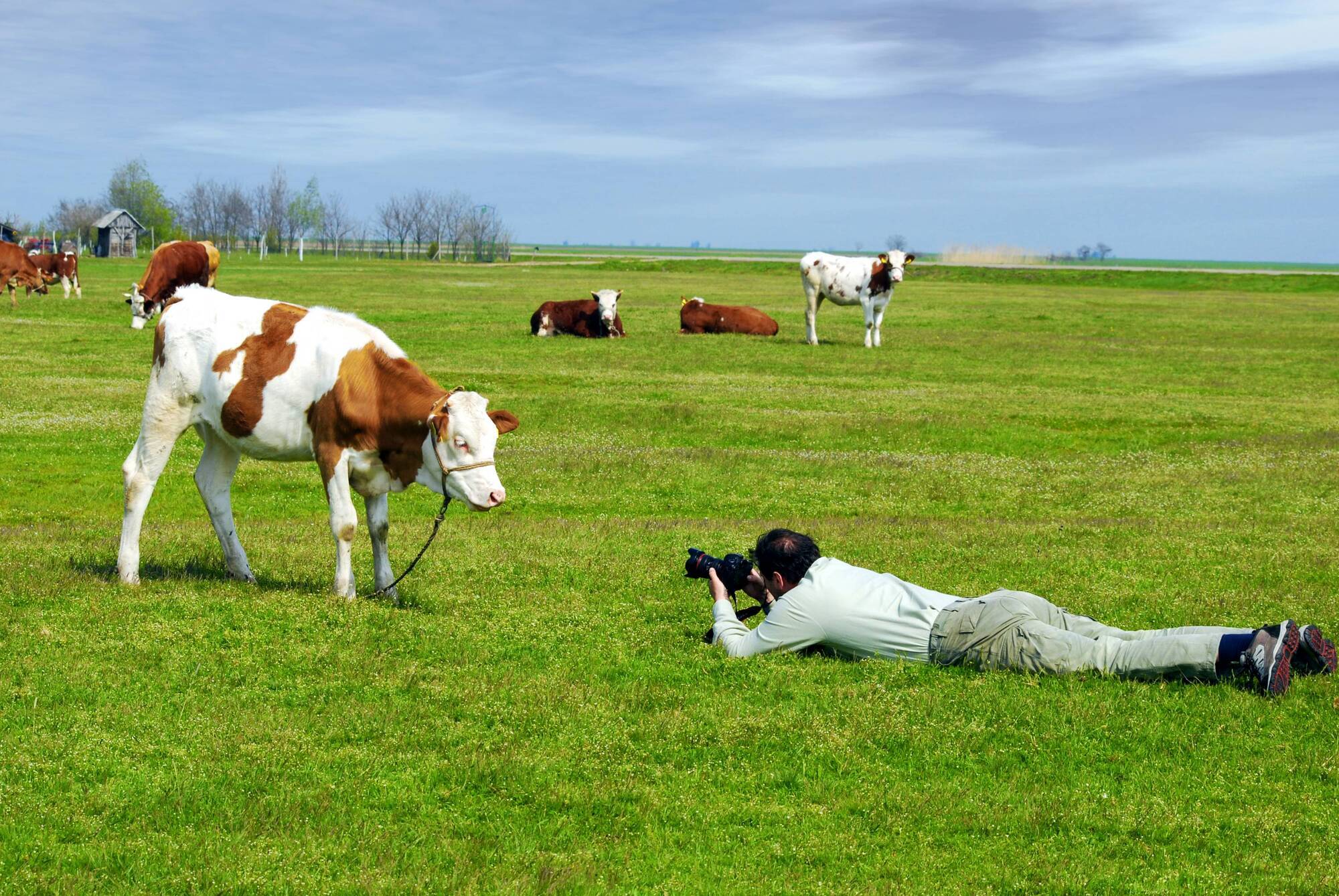
The project has continued to attract attention and interest from a range of partners. As well as interest from Carbery farmers and customers. There have been several film crews who have traveled to Shinagh to document the project, including one which will hopefully become a TV show, and other interests and projects in the works.
Enda explains: “We’ve been blown away by the interest and enthusiasm in Farm Zero C – from dairy farmers to all the scientists we’ve approached, and now wide interest from overseas partners. I’m excited to be part of a project that is showing that net-zero emissions farming can help to make agriculture more environmentally, economically, and socially sustainable.”
Farm Zero C is a collaboration between the following industry and academic institutions: BiOrbic, Carbery, UCD, Trinity College Dublin, MTU, Grassa and Teagasc.
For more information and updates on Farm Zero C click here.